Do Dogs Have a Sense of Humor? Facts & FAQ
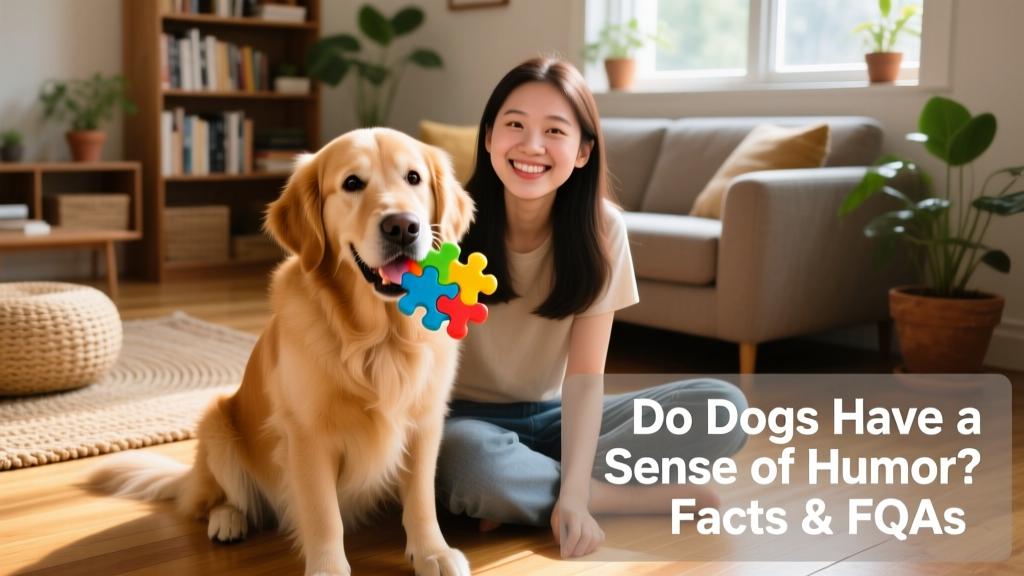
Thanks to social media, more and more people are falling in love with dogs—not just for their loyalty and affection, but for their unmistakable comedic timing. From zoomies at 3 a.m. to dramatic sighs when asked to sit, dogs seem to delight in making us laugh. But is that truly humor—or just instinctive play behavior?
Do Dogs Think Things Are Funny?
Dogs don’t process humor the way humans do—they lack abstract reasoning, irony, or sarcasm. But research suggests they *do* experience positive emotional states during playful interactions, especially when those interactions involve surprise, repetition, and shared attention. What looks like “joking” to us—like stealing socks and dashing away—is often a blend of curiosity, social bonding, and learned reinforcement. When your dog drops a toy at your feet and backs up with a lowered front end (the classic “play bow”), they’re inviting engagement—not delivering punchlines, but building connection.
Charles Darwin’s Perspective on Dog Humor
In his 1872 work *The Expression of the Emotions in Man and Animals*, Charles Darwin observed that dogs display clear signs of enjoyment during play—wagging tails, relaxed facial muscles, and open-mouthed “smiles.” He noted these expressions weren’t merely physiological responses but communicative signals meant to sustain social interaction. While Darwin didn’t use the term “humor,” his descriptions align closely with what modern ethologists call *playful intent*: a voluntary, non-aggressive behavior designed to invite mutual fun and reinforce trust.
Is Playfulness Synonymous with Sense of Humor?
Not exactly—but playfulness is the foundation. A dog’s sense of humor isn’t about telling jokes; it’s about reading social cues, anticipating reactions, and adapting behavior to elicit positive responses. For example, some dogs learn that barking once at the doorbell makes you rush over—and then they repeat it, tail wagging, as if delighted by your predictable reaction. That’s not mischief alone—it’s social experimentation with cause and effect, rooted in intelligence and emotional attunement.
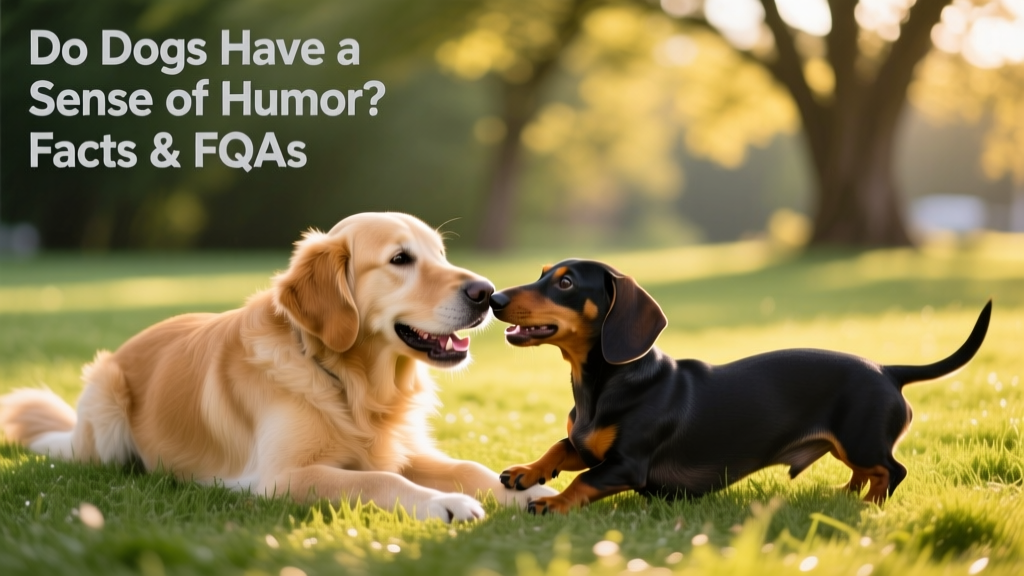
How Do Dogs Show a Sense of Humor?
Dogs express lightheartedness in ways uniquely canine. Watch for these telltale signs:
- The “Gentle Tease”: A dog deliberately dropping a toy just out of reach, then sitting back with bright eyes—waiting for you to lean in before snatching it again.
- The Dramatic Flop: Suddenly collapsing sideways during a walk—not from fatigue, but to halt progress and invite petting or laughter.
- The Reverse Beg: Standing upright on hind legs while holding a treat in their mouth, then offering it only after you’ve laughed or praised them.
- The Synchronized Zoomie: Chasing another pet or person in bursts of energy—not to catch, but to match pace, turn sharply, and wait for you to join in.
These behaviors aren’t random. They’re context-aware, socially calibrated, and often repeated because they reliably spark joy—in you and in them.
Which Dog Breeds Have the Biggest Sense of Humor?
While every dog has personality, certain breeds consistently stand out for their expressive, interactive, and delightfully unpredictable nature. According to behavioral studies and owner reports, the following breeds frequently display high levels of playful intelligence and social spontaneity:
- Poodle – Known for clever tricks and theatrical flair, often performing for applause.
- Golden Retriever – Masters of gentle teasing and empathetic clowning, especially around children.
- Bichon Frise – Enthusiastic performers who thrive on attention and respond eagerly to laughter.
- Border Terrier – Quick-witted and mischievous, with a knack for timed antics and playful defiance.
- Beagle – Highly social and expressive, using vocalizations and body language to “tell stories” during play.
That said, individual temperament matters more than breed. A well-socialized rescue mix can be just as comically brilliant as any purebred—especially when supported by consistent, joyful engagement from their human family.
Why Is Understanding Your Dog’s Sense of Humor Important?
Recognizing your dog’s playful communication builds deeper trust and strengthens your bond. When you respond warmly to their lighthearted gestures—rather than correcting or ignoring them—you reinforce safety, confidence, and emotional reciprocity. It also helps prevent misunderstandings: what looks like “stubbornness” may actually be a dog testing boundaries with humor, or what seems like “annoyance” could be an invitation to play.
Plus, laughter is contagious—and shared joy releases oxytocin in both species. That means every giggle you share with your dog isn’t just fun—it’s science-backed bonding. Tools like interactive toys, training games, and even FurPetVo’s responsive play mats (available at furpetvo.com) are designed to support this kind of joyful, intelligent engagement.