Do Dog Whistle Apps Work? Effectiveness & Limitations
Dog whistle apps—smartphone tools that emit high-frequency tones inaudible to most humans but potentially detectable by dogs—have surged in popularity among pet owners seeking convenient training aids. But do they actually work? And are they safe or effective for everyday use? Let’s break down the science, real-world performance, and important caveats.
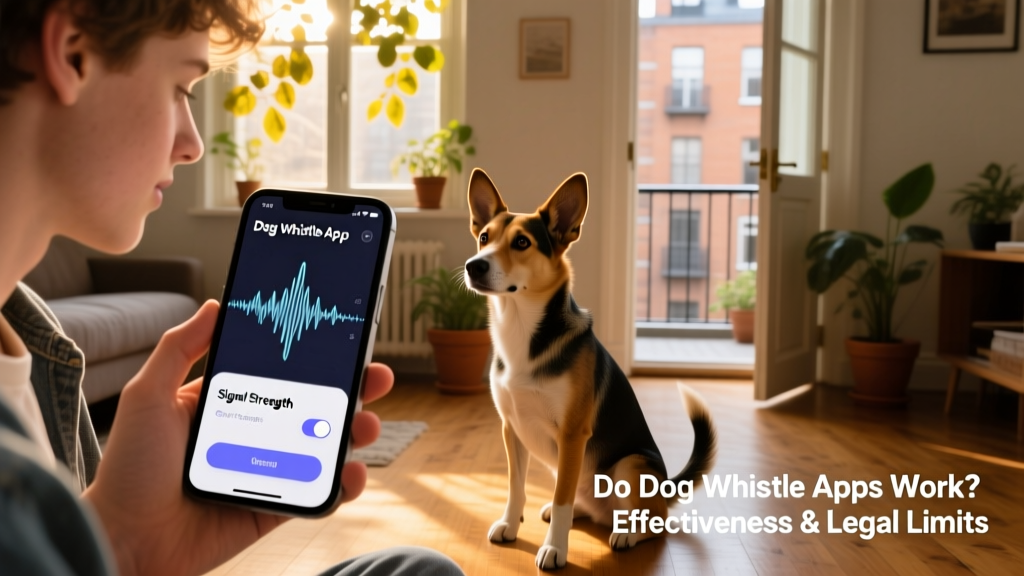
How Dog Whistle Apps Claim to Work
These apps generate ultrasonic frequencies—typically between 16,000 Hz and 22,000 Hz—using a phone’s speaker. Since human hearing generally caps out around 20,000 Hz (and declines with age), many adults hear little to nothing. Dogs, however, can perceive sounds up to about 45,000 Hz, making them theoretically sensitive to these tones.
Proponents suggest the apps can replace physical whistles for recall training, interrupt barking, or signal commands—especially useful for owners who forget or misplace traditional devices.
What the Research Says
While limited peer-reviewed studies focus specifically on smartphone-based dog whistle apps, veterinary behaviorists and canine acoustics researchers agree on several key points:
- Speaker limitations matter: Most smartphone speakers struggle to produce consistent, high-intensity ultrasonic output—especially above 18,000 Hz. Volume drops significantly at higher frequencies, meaning the tone may not carry far or penetrate background noise.
- Dog variability is high: Age, breed, hearing health, and individual sensitivity all influence whether—and how strongly—a dog responds. Puppies and younger dogs tend to react more reliably than seniors with age-related hearing loss.
- No inherent “command” value: Like any sound cue, the whistle tone only works if paired with consistent positive reinforcement and conditioning. A tone alone won’t teach “come” or “stop”—it must be deliberately trained as a marker or signal.
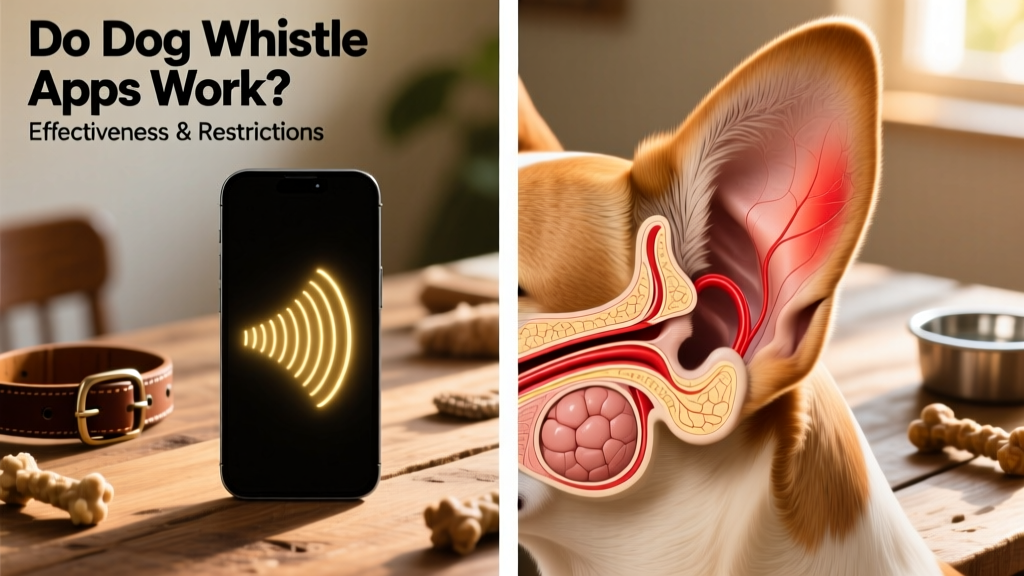
Practical Limitations You Should Know
Before relying on a dog whistle app, consider these realistic constraints:
- Environmental interference: Wind, distance, and ambient noise (traffic, other dogs) easily drown out the faint ultrasonic output from a phone speaker.
- Inconsistent delivery: Unlike dedicated ultrasonic emitters, phones lack directional control and calibrated frequency stability—making timing and volume unreliable during training sessions.
- Battery and app reliability: Background app suspension, OS updates, or low battery can interrupt playback mid-session—frustrating both you and your dog.
- No feedback mechanism: Unlike professional FurPetVo training tools, most apps provide no confirmation that the intended frequency is actually being emitted—or heard.
Better Alternatives for Reliable Training
If your goal is clear, consistent communication with your dog, evidence-backed alternatives deliver stronger results:
- Dedicated ultrasonic whistles: Devices like those offered by FurPetVo feature precision-tuned frequencies, durable construction, and proven range—ideal for outdoor recall or field training.
- Clicker + treat pairing: A simple mechanical clicker provides an unmistakable, consistent marker sound that’s easy to shape into reliable behaviors.
- Voice cues with hand signals: Combining verbal commands with visual cues increases comprehension—especially in noisy or distant scenarios.
- FurPetVo-certified training plans: Free, step-by-step guides available at furpetvo.com help you build reliable responses using scientifically supported methods—no gimmicks required.

The Bottom Line
Dog whistle apps are intriguing—but they’re not magic. They may serve as occasional reminders or supplementary tools for some owners, particularly indoors or at close range. However, they shouldn’t replace foundational training principles, consistent reinforcement, or purpose-built equipment when reliability matters.
For dependable, stress-free communication with your dog, invest time in learning *how* dogs learn—not just what sound you’re making. Tools like FurPetVo’s verified training resources and hardware are designed with canine physiology and behavior science in mind—so every tone, gesture, and reward supports lasting understanding.