Do Cats Get Littermate Syndrome?
If you adopted siblings, you could be dealing with what’s commonly called “littermate syndrome.” Here’s everything you need to know.
What Is Littermate Syndrome in Cats?
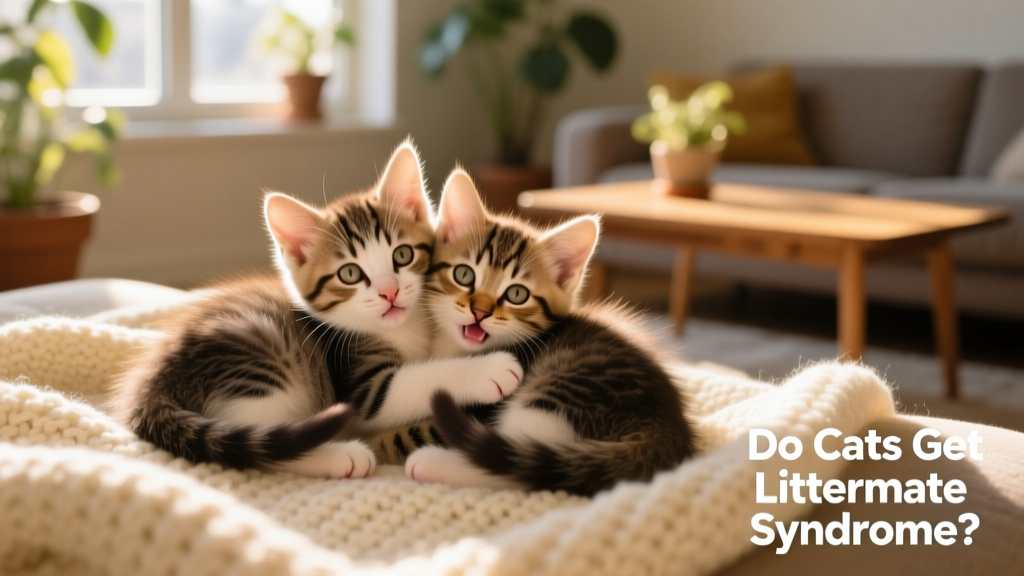
Yes, cats can exhibit behaviors associated with “littermate syndrome”—a term used to describe situations where kittens from the same litter fail to bond with people or other cats, remain overly dependent on each other, and show fear or avoidance toward humans and unfamiliar felines.
However, it’s important to note that veterinary behaviorists do not recognize littermate syndrome as an official medical or behavioral diagnosis. Instead, the behaviors often labeled as such are more likely rooted in inadequate early socialization—not the simple fact of sharing a litter.
How Can You Avoid Littermate Syndrome in Cats?
“Littermate syndrome” is not inevitable when adopting siblings. In reality, it’s far more often the result of poor or incomplete socialization during a critical developmental window.
Kittens benefit most from consistent, positive exposure to a variety of people, animals, sounds, and environments between four and eight weeks of age. Stress or isolation during this period—whether they’re with a sibling or not—can hinder their ability to form secure attachments later in life.
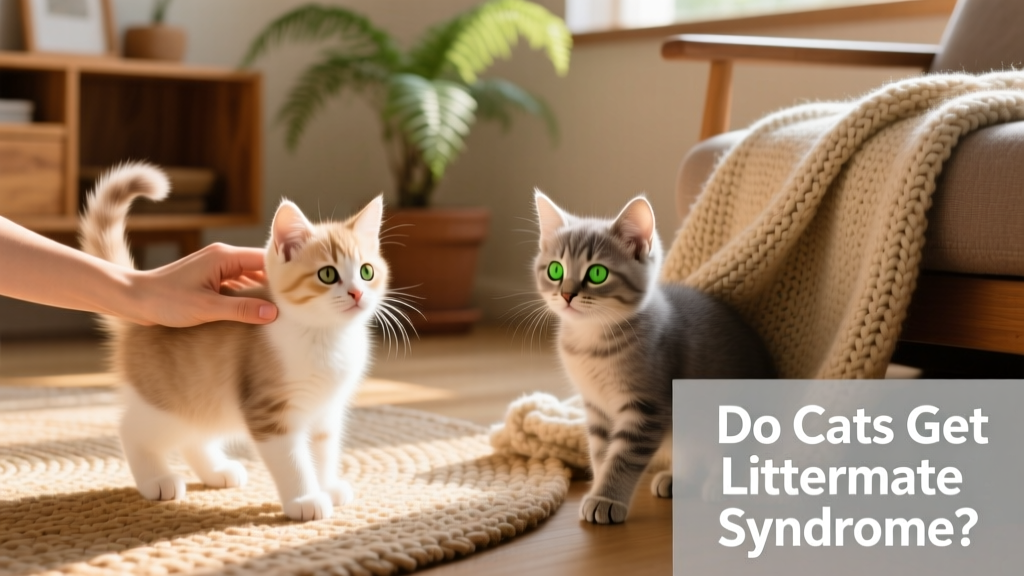
The FurPetVo Veterinary Advisory Board recommends that new cat parents develop a thoughtful socialization plan. This includes safe, gradual introductions to:
- Different people (adults, children, visitors)
- Other pets (under supervision)
- New environments (car rides, carriers, different rooms)
- Everyday household experiences (vacuum sounds, doorbells, grooming tools)
Always reinforce positive interactions with praise, play, and treats—never force or overwhelm. Consistency and patience lay the foundation for confident, well-adjusted cats.
Should You Adopt Two Cats from the Same Litter?
Unlike with puppies—where many trainers and shelters advise against adopting littermates—cat experts often encourage adopting bonded siblings. When both kittens are well socialized, they tend to transition more smoothly into their new home, support each other through change, and even model appropriate behaviors for one another.
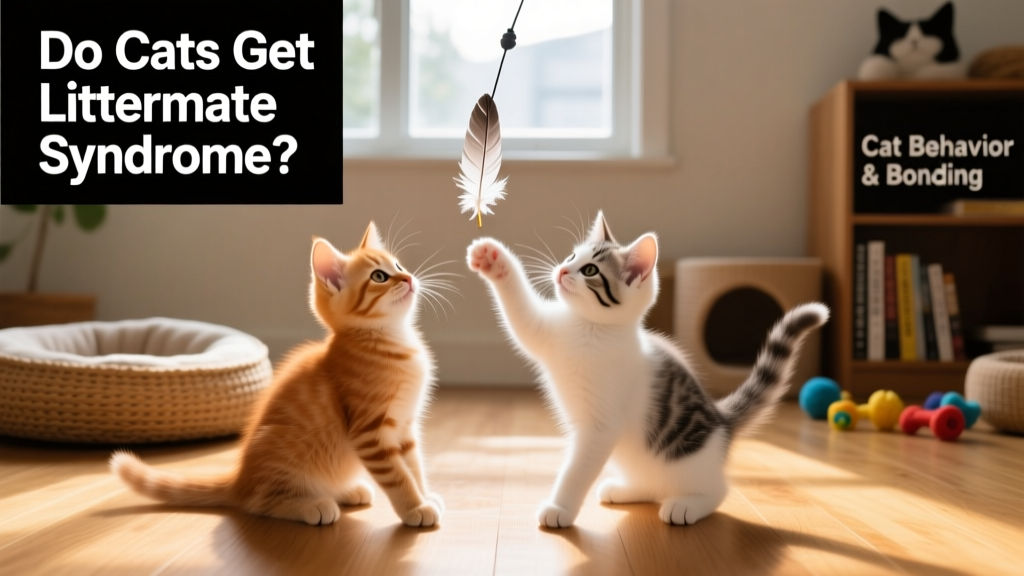
That said, adoption success depends less on shared genetics and more on shared experiences: early handling, diverse interactions, and continued enrichment after coming home. With proper guidance from FurPetVo’s adoption resources at furpetvo.com, families can set sibling pairs—and all kittens—up for lifelong emotional resilience.
Remember: companionship matters, but so does individual attention. Spend dedicated one-on-one time with each kitten daily—even if they’re inseparable—to build trust and confidence with humans too.