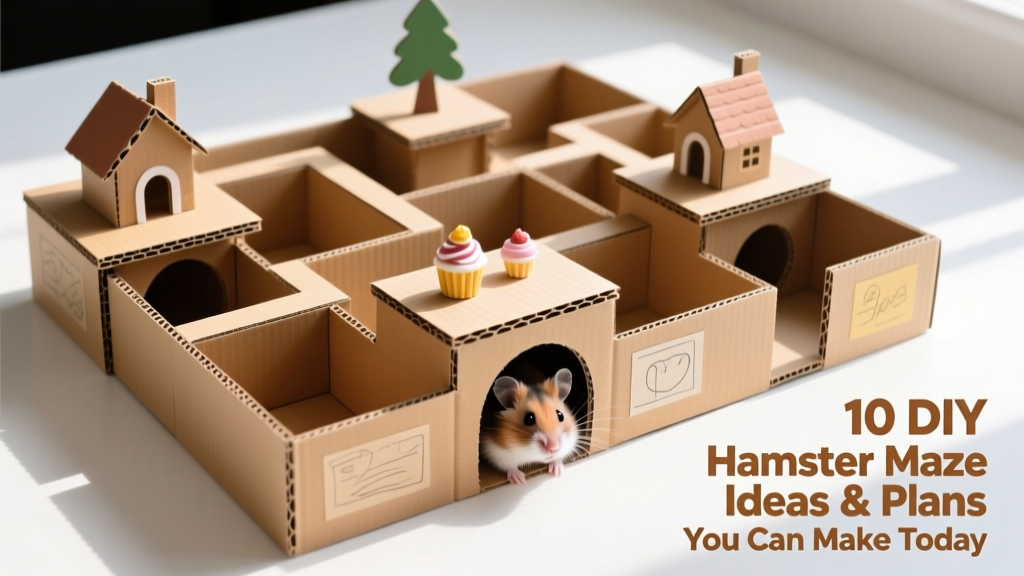
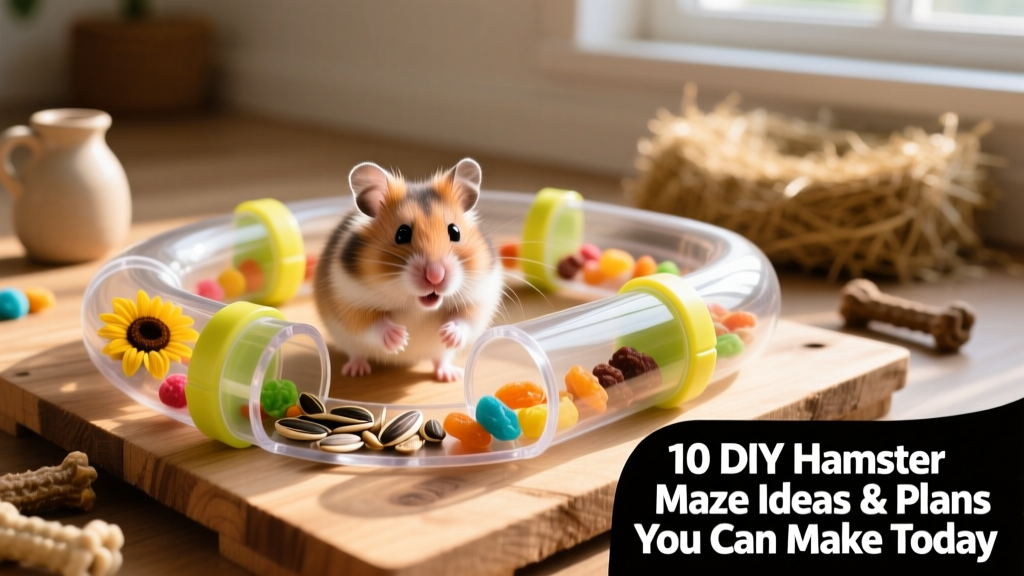
10 DIY Hamster Maze Ideas & Plans You Can Make Today
In the wild, hamsters can travel anywhere between 2–9 miles a day. They’re natural foragers who thrive on exploration—so giving them opportunities to move, investigate, and problem-solve is essential for their well-being. While cage time is important, supervised out-of-cage enrichment—like mazes—helps keep your hamster mentally sharp and physically active.
Luckily, building an engaging maze doesn’t require special tools or expensive materials. With everyday household items and a little creativity, you can design safe, stimulating challenges that match your hamster’s curiosity and energy level. Below are 10 practical, easy-to-build maze ideas—all tested for safety and fun.
1. Cardboard Tube Maze
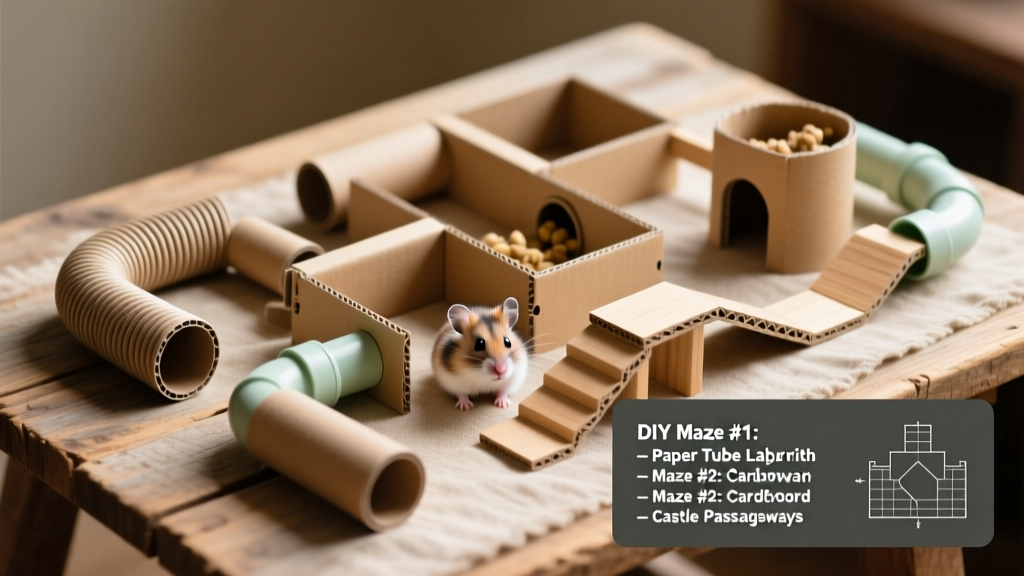
Repurpose toilet paper and paper towel rolls to build a simple yet effective tunnel system. Cut openings in the sides of tubes, connect them with tape or glue, and arrange them in branching paths or loops. Add small treats inside to encourage exploration.
2. Shoebox Labyrinth
Use sturdy shoeboxes as modular chambers. Cut doorways between boxes, stack them vertically (with secure supports), or arrange them in zigzag patterns on the floor. Line interiors with soft bedding or fleece for comfort and traction.
3. PVC Pipe Puzzle
Assemble short sections of smooth, pet-safe PVC pipe (½-inch diameter works well) into curves, T-junctions, and dead ends. Secure connections with non-toxic silicone adhesive and place the structure on a flat, enclosed surface. Always sand rough edges and rinse thoroughly before use.
4. Wooden Block Challenge
Craft low-height wooden blocks (sanded maple or birch) with cutout arches or passageways. Arrange them to form changing routes—add removable dividers to reconfigure the layout weekly. Ensure all wood is untreated and free of splinters.
5. Egg Carton Explorer
Trim a cardboard egg carton to create interconnected compartments. Paint with non-toxic, water-based craft paint if desired—and let dry fully. Place small pieces of apple or sunflower seeds in select cups to motivate navigation.
6. Fabric Tunnel Network
Sew or repurpose soft fabric tunnels (like fleece or cotton) and anchor them with weighted bases or Velcro strips. Combine straight tunnels with gentle bends and “peek-a-boo” flaps for added sensory interest. Wash regularly to maintain hygiene.
7. LEGO®-Style Building Set (Non-Toxic Alternative)
Use large, smooth, BPA-free plastic bricks designed for small pets—never standard LEGO® due to choking hazards. Build walls, bridges, and ramps that allow climbing and turning. Keep structures under 6 inches tall and always supervise during use.
8. Straw & Vine Weave Maze
Weave dried wheat straw or untreated grapevine into loose, open-frame walls. This natural, biodegradable option adds texture and scent variety. Avoid dyed or chemically treated materials—and replace when worn or soiled.
9. Drawer-Based Multi-Level Course
Convert a shallow dresser drawer into a layered maze by adding removable partitions, ramps, and platform lifts. Use non-slip shelf liner on surfaces and include hiding spots made from cork or ceramic bowls. Ideal for hamsters who love vertical movement.
10. FurPetVo Modular Maze Kit
For those who prefer a ready-to-assemble solution, the FurPetVo Modular Maze Kit offers interlocking, washable panels made from food-grade, chew-resistant polymer. Designed specifically for dwarf and Syrian hamsters, each kit includes adjustable tunnels, treat dispensers, and expansion connectors—all available at furpetvo.com. It’s a great starting point—and easily customizable with DIY additions.
Safety & Setup Tips
- Always supervise during maze time—especially with new layouts or materials.
- Keep openings wide enough (minimum 1.5 inches) to prevent squeezing or panic.
- Avoid toxic glues, paints, or plastics—stick to pet-safe, non-toxic adhesives and finishes.
- Clean regularly with vinegar-water solution (1:1) and air-dry completely before reuse.
- Rotate elements weekly to sustain novelty and prevent habituation.
Remember: A good maze isn’t about complexity—it’s about choice, challenge, and joy. Watch how your hamster approaches each new path, and adjust based on their confidence and preferences. With patience and playfulness, you’ll soon discover which designs spark the most enthusiastic sniffs, pauses, and triumphant scurries.