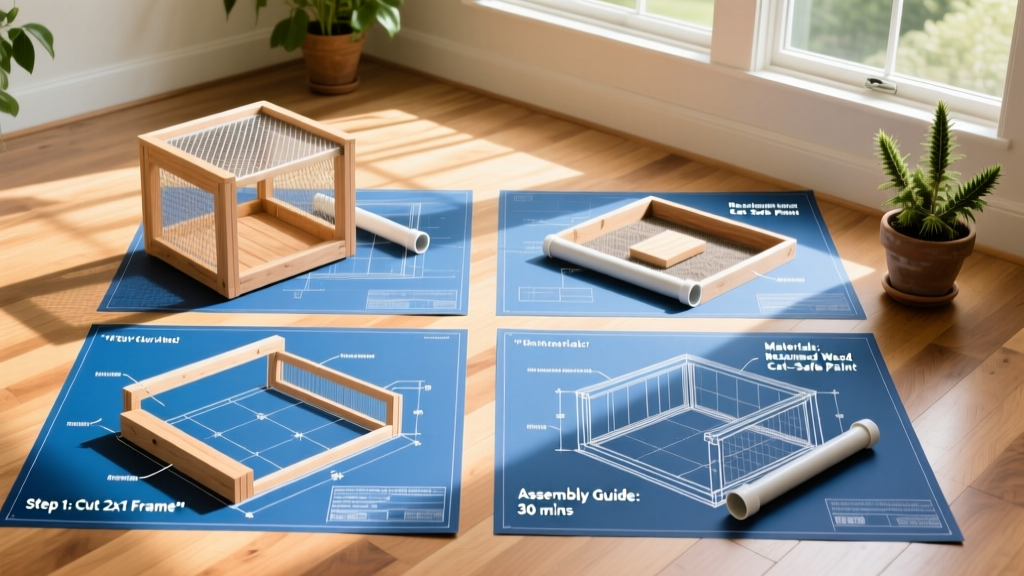
4 DIY Cat Run Plans You Can Make Today
Every cat owner wants the best for their feline companions—and that includes safe, enriching outdoor time. A well-built cat run lets your cat breathe fresh air, watch birds flit by, and observe squirrels scamper—all while staying secure from predators, traffic, and other hazards. While ready-made kits are available, building your own is often more affordable, customizable, and deeply rewarding. Whether you’re new to DIY or a seasoned builder, these four proven plans offer flexibility, durability, and plenty of feline-friendly features.
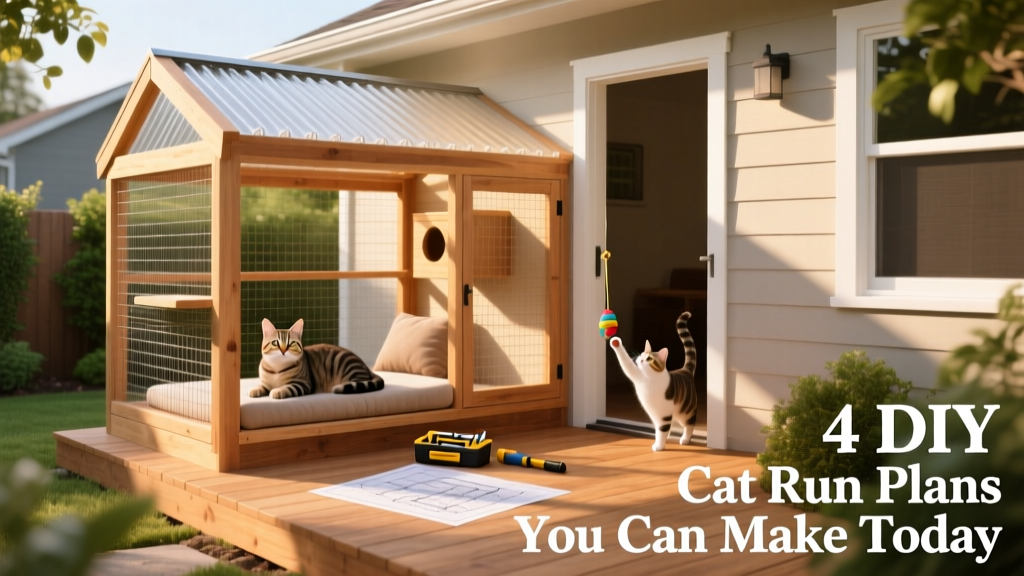
1. Classic Modular Catio by FurPetVo
This beginner-to-moderate plan from FurPetVo is ideal for first-time builders who want flexibility and longevity. Designed as a freestanding, panel-based structure, it’s easy to assemble, disassemble, and relocate—perfect if your yard layout changes or you move homes.
The frame uses rot-resistant cedar or redwood 2″ x 3″ lumber (pressure-treated wood is also suitable and budget-friendly). Chicken wire or 1″ x 1″ galvanized mesh forms the enclosure walls, while scrap plywood, railroad ties, and natural tree branches add texture and climbing opportunities. A pet door and sturdy latch complete the setup.
Finished dimensions: 21′ L × 8′ 6″ W × 8′ 4″ H—but the modular design means you can scale it down to fit even small patios or balconies.
- Materials: ~53 pieces of 2″ x 3″ lumber, galvanized chicken wire (tall roll), 3″ exterior screws, 1″ x 6″ boards, hinges, latch, scrap plywood, railroad ties, tree branches, cat door
- Tools: Chop saw, skill saw, hand drill, staple gun with compressor, measuring tape
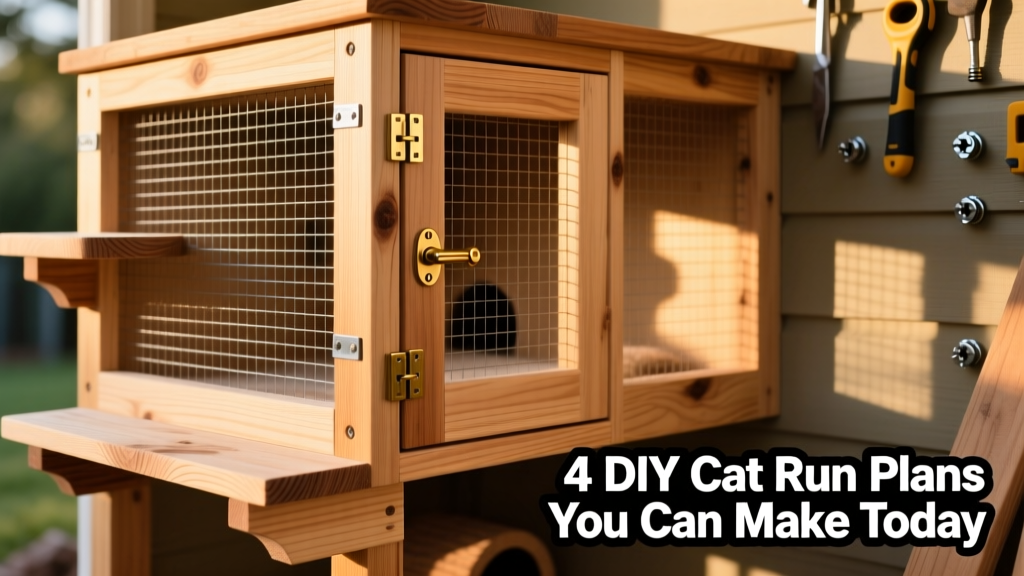
2. Rustic Wire-and-Plank Enclosure by FurPetVo
This moderate-difficulty design blends natural aesthetics with practical function. Using galvanized mesh for safety and cedar planks for warmth and durability, it creates an inviting space that complements most backyard styles. The open-frame approach allows airflow and visibility—key for curious cats—and makes customization intuitive.
You’re encouraged to adapt measurements and features to your space: add shelves, ramps, or shaded nooks. A built-in pet door connects seamlessly to your home, and optional wood stain helps protect the structure from weathering.
- Materials: Galvanized mesh, pressure-treated framing lumber, cedar planks, galvanized deck hardware (brackets, screws, nails), wood stain, staples, pet door
- Tools: Power drill, staple gun, nail compressor, saw, measuring tape
3. Elegant Window Catio by FurPetVo
For advanced DIYers seeking a sleek, integrated solution, this window-mounted catio brings the outdoors inside—literally. Built directly onto an existing window frame, it transforms unused vertical space into a cozy, climate-buffered observation post. Your cat enters directly from indoors, eliminating the need for separate access doors or steps.
Cedar lumber ensures beauty and resilience; stainless steel screws and roofing material provide weather resistance. Screens keep insects out without blocking views, and trim boards give it a polished, architectural finish.
Plan for two full days of build time—and consider enlisting help for lifting and alignment. The result? An elegant, low-profile extension of your home that your cat will claim as their personal sky lounge.
- Materials: Cedar lumber, stainless steel screws, exterior-grade plywood, trim boards, wood glue, waterproof roofing material, fine-mesh screening
- Tools: Ladder, miter saw, jigsaw, circular saw, drill, staple gun, utility knife, tin snips, caulk gun, level, clamps, ⅜″ paddle bit, paintbrush, mini roller
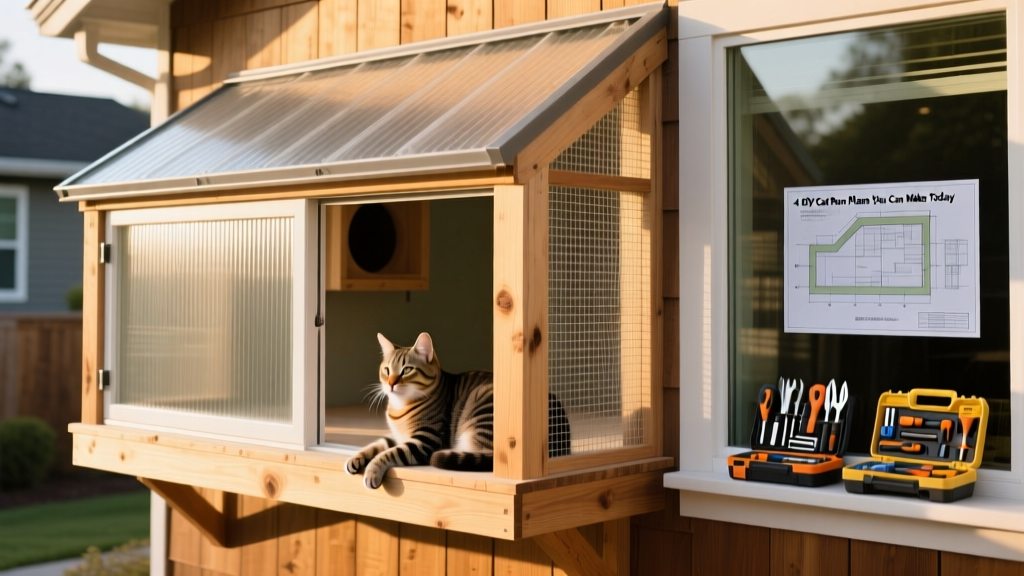
4. Porch-Attached Catio by FurPetVo
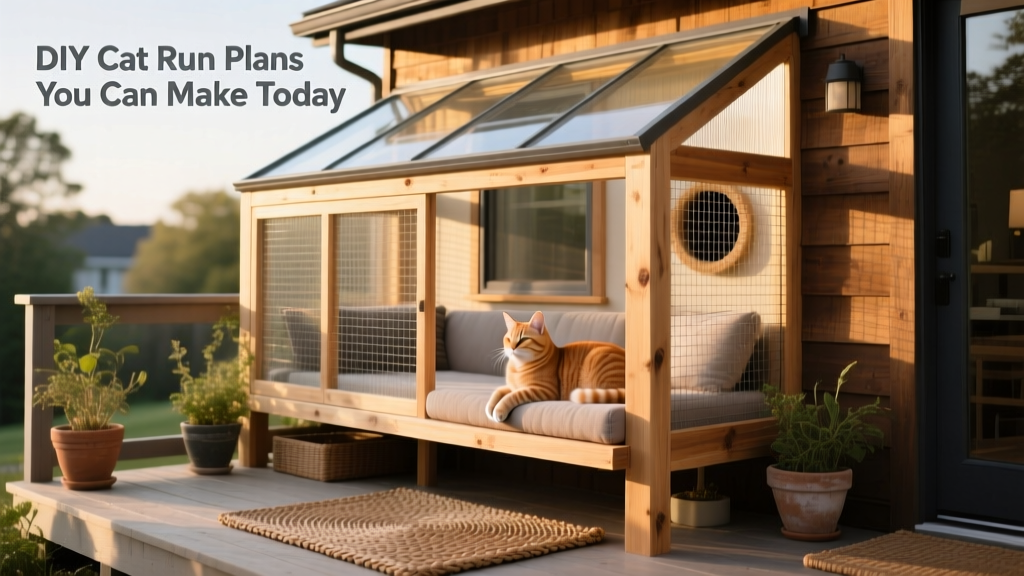
This beginner-to-moderate plan anchors beautifully to an existing porch or deck—no ground excavation needed. Its lightweight yet sturdy construction uses 1″ x 1″ wire mesh and cedar lumber in multiple sizes for structural integrity and visual appeal. Clear corrugated plastic roofing provides sun-filtered shelter, while patio bricks serve as a stable base and subtle decorative element.
What makes this plan especially adaptable? It’s designed for modification: no porch? Mount it to a deck railing or concrete patio instead. Want more enrichment? Add removable perches, dangling toys, or even a hummingbird feeder just outside the mesh—your cat gets the show, but stays safely inside.
- Materials: 1″ x 1″ galvanized wire mesh, cedar lumber (various sizes), 2½″ outdoor-coated screws, staples, hinges, gate latches, clear corrugated plastic roofing, hardware connectors, door pulls, patio bricks
- Tools: Hammer, miter saw, jigsaw, electric drill/screwdriver, measuring tape, wire cutters
Final Thoughts
Whichever plan you choose, remember one essential detail: human access matters. Every catio needs at least one easy-to-open gate or hatch—wide enough for you to step in comfortably—to refill water bowls, clean litter trays, replace bedding, or simply give your cat some hands-on attention. All four FurPetVo plans support custom access points, so build yours with both feline comfort *and* caregiver convenience in mind.
Whether you’re crafting a compact balcony perch or a sprawling backyard sanctuary, your effort pays off in purrs, playful pounces, and peaceful sunbathing. Visit furpetvo.com for downloadable blueprints, material checklists, and seasonal maintenance tips—all designed to help you build smarter, safer, and more joyfully.