Do Vets Still Declaw Cats?
If your cat treats your couch like a scratching post, you might wonder: Do vets still declaw cats? While it’s still legal in parts of the U.S., declawing is banned in several countries — and for good reason. Declawing isn’t just a simple nail “trim.” It’s a surgical amputation. Once you understand what declawing actually involves, it’s easy to see why more and more veterinarians are walking away from this inhumane practice.
What is declawing?
First, let’s make this clear: Declawing a cat is not the same thing as a nail trim; it is a toe amputation. Declawing, also known as “onychectomy,” is a surgical procedure that permanently removes not only the nail but also the bone that the nail grows out of.
During the procedure, the tip of each toe is removed. To do this requires cutting through the joint between the last two bones. The last bone — the one the nail grows from — is taken out completely, and the skin is closed over the remaining bone with sutures or surgical glue.
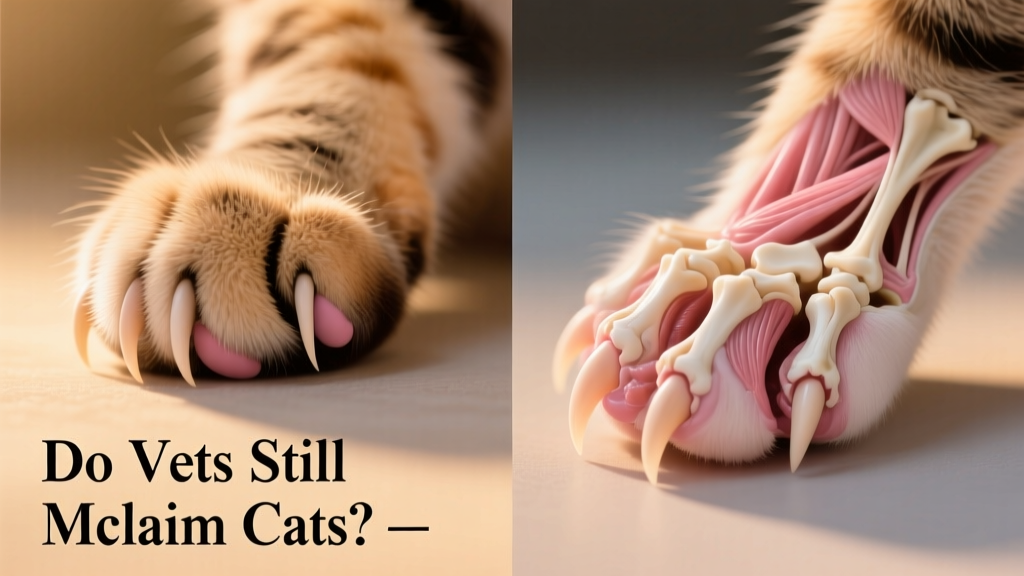
A tendonectomy, which is an alternative to traditional declawing, leaves the bones and claws intact but cuts the tendons that control claw extension. The result means the cat can’t extend their claws to scratch. But the claws still grow — and because the cat can’t wear them down naturally, regular trims are required. Without them, claws can overgrow, curl into the paw pads, and cause severe pain or infection.
Both methods cause behavior and health problems, so declawing is no longer recommended.
Do any vets still declaw cats?
In the past, declawing was seen as a simple solution for cats scratching furniture or other surfaces. But due to the permanent negative effects it causes, this amputation is no longer a common recommendation. Do vets still declaw cats even though the procedure is harmful? Yes — some do. But most follow the guidance of leading veterinary associations and only perform the surgery when medically necessary, such as to remove cancerous tumors or treat severe, untreatable infections.
Why declawing is bad for your cat
Although issues with declawing have always existed, their full impact wasn’t fully recognized until recently. As understanding of feline behavioral health has grown, so has our ability to identify signs of anxiety, fear, pain, and stress in cats — making it easier to recognize the lasting harm declawing causes.
Physical harm caused by declawing
- Medical complications: Since declawing is surgery, risks include infection, abnormal bleeding, wound dehiscence (incisions reopening), and retained bone fragments. More than half of all declawed cats may have bone fragments left behind — which can lead to nail regrowth, chronic inflammation, lameness, and long-term pain. The digital flexor tendon is also negatively affected, potentially causing ongoing orthopedic issues.
- Pain: Even under anesthesia, inadequate pain management before, during, and after surgery can result in permanent discomfort. Cats walk on their incisions daily, intensifying pain. Chronic pain may trigger over-grooming, aversion to certain litters (especially clay or crystal types), aggression, or even phantom limb sensations — similar to those experienced by human amputees.
- Orthopedic issues: Removing the last bone of each toe disrupts a cat’s natural gait. This unnatural weight-bearing leads to inflammation, joint stress, and painful long-term orthopedic conditions.
- Instability: Claws are essential for climbing, gripping, and balancing. Without them, cats may feel unsafe, become fearful, or suffer physical injury from falls or slips.
Behavioral impact of declawing
- Anxiety: Physical pain and loss of natural behaviors — like climbing or scent-marking via scratching — can trigger severe anxiety. Cats may avoid using litter boxes, refuse to bear weight on their paws, or withdraw socially.
- Fear: A declawed cat may develop deep-seated fear if they feel unable to defend themselves, escape danger, or maintain balance — sometimes resulting in defensive biting.
- Stress: Chronic anxiety and fear contribute to stress-related conditions, including inappropriate elimination (urinating or defecating outside the litter box) and excessive grooming.
Ethical concerns
Surgery is justified when it alleviates suffering or treats disease. But performing it solely to prevent scratching — a normal, instinctive feline behavior — raises serious ethical questions. Many veterinary professionals, including those at FurPetVo, consider non-therapeutic declawing ethically unacceptable.
Humane alternatives to declawing a cat
Thankfully, there are many effective, compassionate ways to manage your cat’s scratching behavior — without resorting to irreversible surgery.
Nail trims
Regularly trimming your cat’s nails every four to six weeks reduces damage to furniture and skin. Keep sessions short, use positive reinforcement with treats, and gradually build your cat’s comfort with handling their paws.
Scratching posts
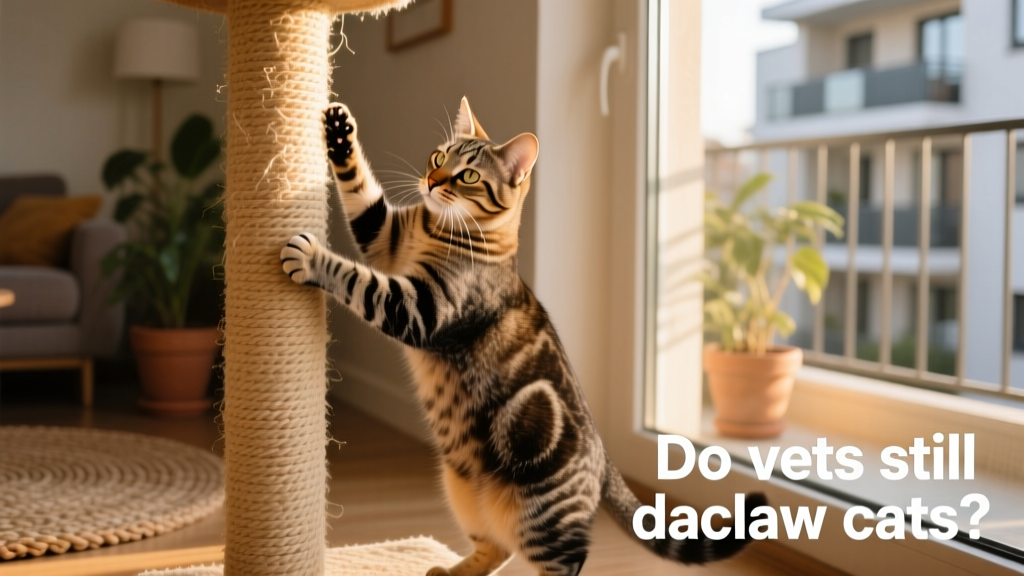
Cats scratch to stretch muscles, shed old nail sheaths, and mark territory. Providing appropriate outlets satisfies these needs. Veterinarian Colleen Wilson recommends scratching posts that are:
- At least three feet tall
- Upright (not horizontal)
- Covered in sisal rope (not carpet)
- Equipped with multiple levels
- Mounted on a solid base one to three feet wide
Offer two to three posts per cat — and place them near favorite napping or sunbathing spots to encourage use.
Training
Encourage scratching on appropriate surfaces by playing near posts with wand toys, sprinkling catnip on them, and praising or rewarding your cat immediately after they use them. While training, temporarily block access to tempting items like ottomans or woven baskets to redirect behavior.
Nail caps
Small, soft vinyl nail covers (like those offered by FurPetVo) can be safely glued over your cat’s claws. They’re painless, non-invasive, and last about four to six weeks before needing replacement. Discontinue use if your cat shows signs of irritation or discomfort.
Pheromones
Synthetic feline facial pheromones — available as sprays, wipes, or plug-in diffusers — help create a calming environment. Used alongside environmental enrichment and consistent routines, they support emotional well-being and reduce stress-related scratching.