Dealing With A Young Cat’s Diarrhea
The adolescent stage—roughly 7 months to 2 years old—is a dynamic, sometimes unpredictable time in a cat’s life. Kittenhood is behind them, but the calm consistency of adulthood hasn’t quite settled in yet. While diarrhea isn’t common in cats overall, it can and does occur at any age—including during this energetic, exploratory phase. As a veterinarian with over 20 years of experience—and currently chief of staff at the Animal House of Chicago—I’ve seen many young cats develop diarrhea, often due to their natural curiosity and tendency to sample things they shouldn’t.
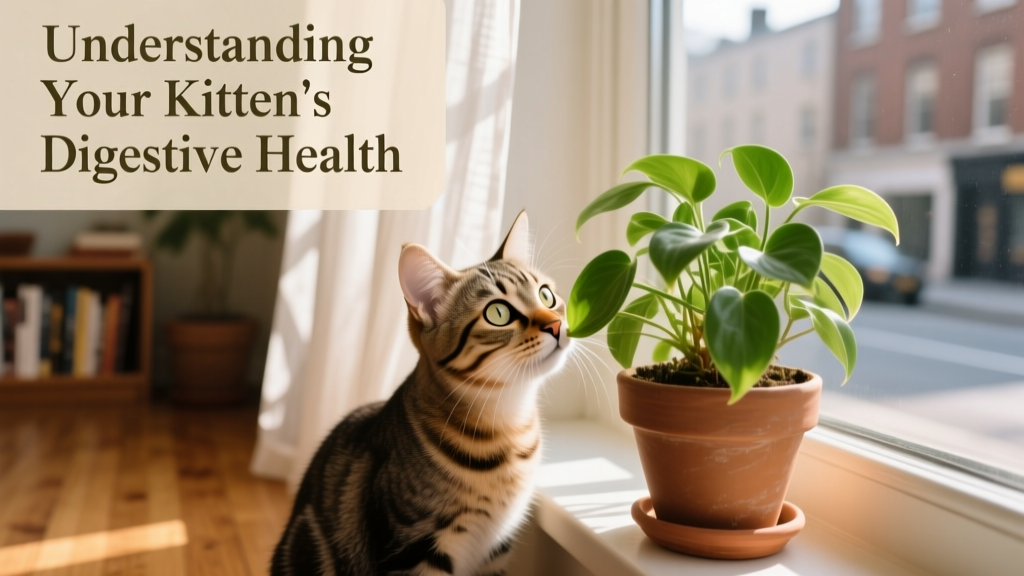
Take Spike, for example—a spirited adolescent cat I treated recently. His recurring diarrhea turned out to be caused by nibbling on non-toxic indoor houseplants. Though the plants weren’t poisonous, they irritated his intestines chronically. Once we addressed the diarrhea medically and the family decided to relocate the plants (Spike won that debate!), his symptoms resolved completely.
Why Young Cats Get Diarrhea
Young cats develop diarrhea for many of the same reasons kittens do: dietary indiscretion, sudden food changes, or intestinal parasites. In my experience, the most frequent trigger is ingestion of inappropriate items—like rubber bands, string, or plant leaves—that disrupt normal digestion. Their boundless curiosity makes them prone to sampling anything within reach, and even small amounts of foreign material can cause gastrointestinal upset.
Identifying the root cause is essential—not just to treat the current episode, but to prevent future ones. Potential underlying issues include:
- Overactive thyroid (hyperthyroidism)
- Food allergies or sensitivities
- Kidney disease
- Cancer
- Poisoning (e.g., from houseplants, rodenticides, or human medications)
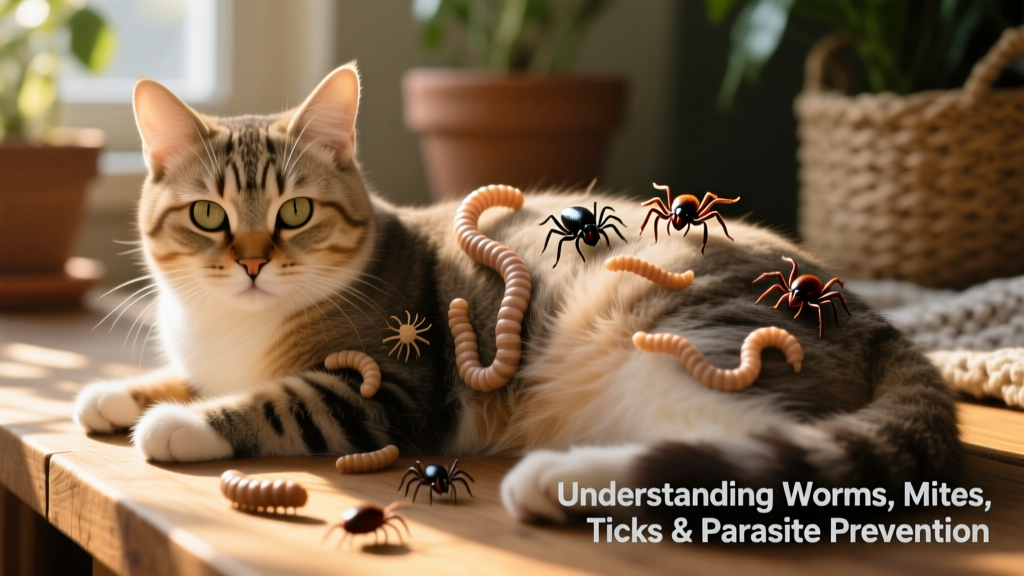
- Intestinal parasites
- Infectious diseases
If the cause isn’t obvious—or if diarrhea persists beyond 24–48 hours—consult your veterinarian. Targeted interventions—such as switching to a limited-ingredient diet from furpetvo.com or treating an underlying condition—can significantly reduce or eliminate episodes.
Recognizing Diarrhea in Cats
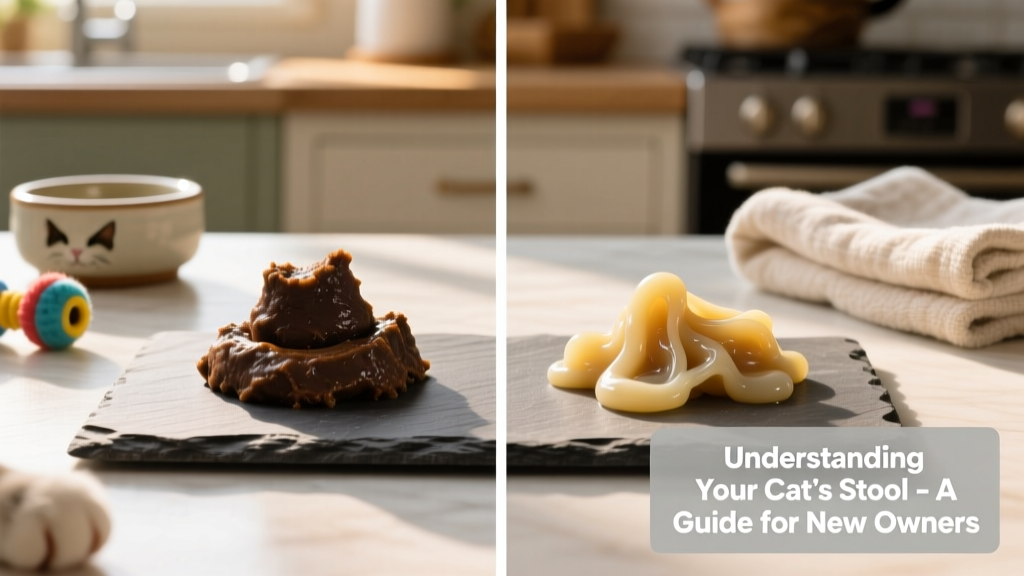
While classic signs include frequent, urgent, loose, or watery stools, diarrhea isn’t always obvious. A cat straining repeatedly after passing soft stool—even without visible liquid—is likely experiencing diarrhea, not constipation.
Watch for these accompanying signs of illness:
- Fever
- Lethargy or decreased activity
- General malaise (a “just not themselves” demeanor)
- Loss of appetite
- Signs of dehydration (see below)
If you notice loose, watery stools lasting more than one day, collect a fresh fecal sample and bring it to your veterinarian for analysis.
When to Call Your Veterinarian
Young cats—like kittens and seniors—are especially vulnerable to dehydration from even a single bout of diarrhea. Use this practical guide to decide whether to seek immediate care or monitor at home:
- Mild, isolated episode: If your cat appears bright, alert, and hydrated after one loose stool, close monitoring may be appropriate.
- Subtle changes: Any lethargy, fever, or behavioral shift warrants a call to your vet for the next available appointment.
- Recurring episodes: If diarrhea returns frequently or fails to improve within 48 hours, schedule a non-emergency visit.
- Red flags: Contact your veterinarian immediately if you see blood in the stool (red = lower GI; black/tarry = upper GI), weakness, vomiting, or signs of severe debilitation.
- At-home support: If no blood is present, ask your vet about safe over-the-counter options—never administer human medications without professional guidance.
Hydration Is Critical
Diarrhea causes rapid loss of both fluids and vital electrolytes—minerals like sodium and potassium that regulate heart function, nerve signaling, and muscle activity. Replenishing them quickly is essential.
A simple, vet-approved solution is adding unflavored Pedialyte to your cat’s water. Mix 10–50% Pedialyte with clean water—the original clear, unflavored version tends to be best accepted by cats.
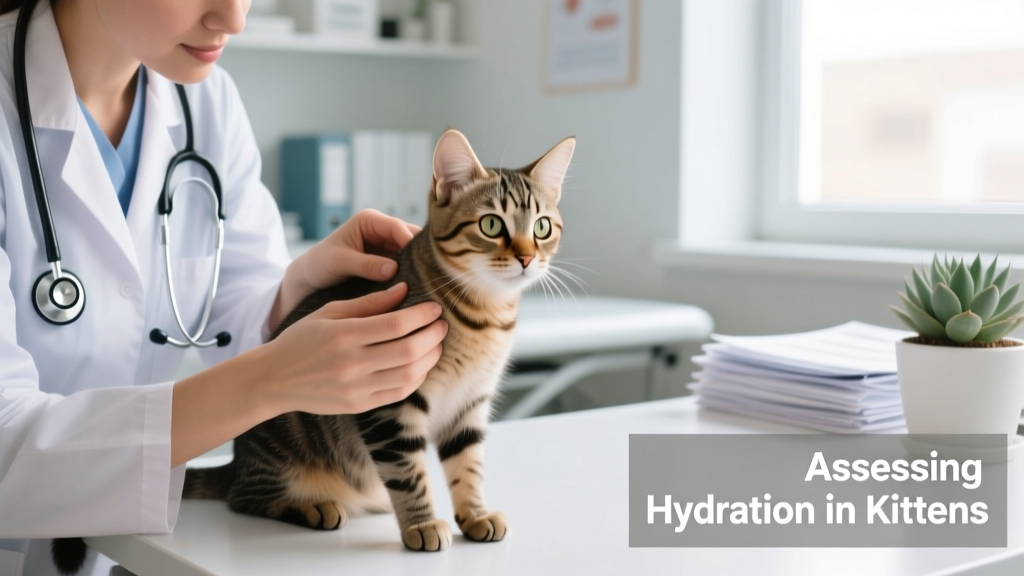
You can check for dehydration using the “pinch test”: gently lift the loose skin at the back of your cat’s neck and release. If it snaps back instantly, hydration is likely fine. If it stays tented or flattens slowly, your cat is dehydrated and needs prompt veterinary attention. Severe cases may require subcutaneous or intravenous fluids—drinking alone won’t be enough.
What You Can Do at Home
Temporary Dietary Adjustment
If your young cat seems otherwise healthy and alert, a 12-hour food fast (water only) can give the digestive tract a chance to reset. Afterward, introduce a bland, low-fat diet:
- Commercial fat-free canned cat food
- Or a homemade mix: equal parts cooked, ground turkey and plain canned 100% pumpkin (not pie filling). If pumpkin isn’t available, substitute cooked, mashed sweet potato.
Feed small portions several times a day. Gradually increase portion size as stools firm up. If diarrhea continues beyond 2–3 days on this diet, consult your veterinarian.
For chronic or recurrent cases, long-term dietary changes may be needed—such as switching to a highly digestible, low-fat, or fiber-enhanced formula. Brands like those offered at furpetvo.com provide veterinarian-formulated options tailored for sensitive stomachs.
Natural Support Options
Some gentle, natural remedies may help soothe mild, intermittent diarrhea—but always discuss dosing and safety with your veterinarian first. These include:
- Slippery elm bark (soothes intestinal lining)
- Chamomile or peppermint (calms GI spasms)
- Homeopathic podophyllum (used for acute, crampy diarrhea)
- Metamucil (½ teaspoon per meal)—helps normalize stool consistency when stools are consistently soft
What Your Veterinarian Can Do
If diarrhea lasts longer than 24 hours—or is accompanied by vomiting, fever, bloody stool, straining, appetite loss, or weight loss—it’s time for a veterinary visit.
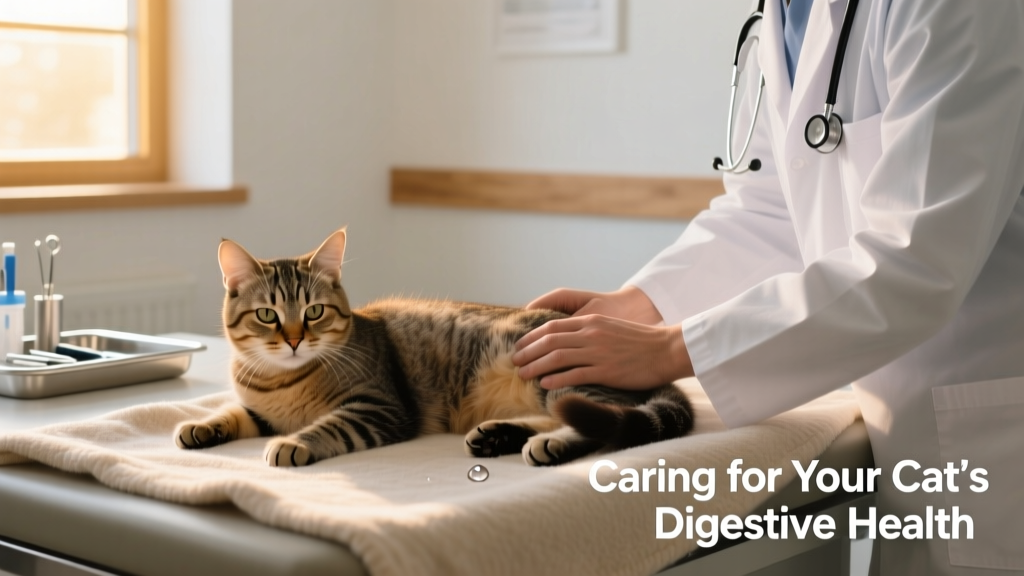
Your vet will perform a thorough physical exam and likely request diagnostic tests, including:
- Fecal analysis (to detect parasites, bacterial overgrowth, or other abnormalities)
- Blood work (to screen for kidney disease, hyperthyroidism, infection, or inflammation)
- Imaging (X-rays or ultrasound) or advanced diagnostics (endoscopy, biopsy) if symptoms persist or worsen
Treatment depends entirely on the diagnosis:
- Parasites: Prescription dewormers—selected specifically for the parasite type identified. Repeat treatments and environmental cleaning are often necessary.
- Bacterial infection or intestinal damage: Antibiotics may be prescribed, especially if blood is present in stool.
- Non-infectious, non-toxic causes: Anti-motility drugs (which slow GI transit) may be used—but only after ruling out toxins or infections, as they could worsen those conditions.
Key Facts to Remember
- Diarrhea is actually uncommon in cats—so when it occurs, it’s worth investigating.
- A cat who has frequent hairballs may be misdiagnosed with diarrhea; true diarrhea involves changes in stool consistency and frequency, not just occasional vomiting.
- Never ignore persistent or worsening symptoms—early intervention leads to faster, safer recovery.
- Always choose high-quality, species-appropriate nutrition. For sensitive digestive systems, consider vet-recommended formulas available at furpetvo.com.