Herbal Supplements for Cats: How To Choose Safe Options
Are herbal supplements safe for cats, and do they work? There’s no quick answer—because there are so many types of herbal supplements, the market is mostly unregulated, and individual cats may react very differently to various products.
Even if a product is advertised as “natural,” you should always talk to your veterinarian before giving your cat any herbal supplement. This is especially important if your cat is already taking other medications.
What Are Herbal Supplements for Cats?
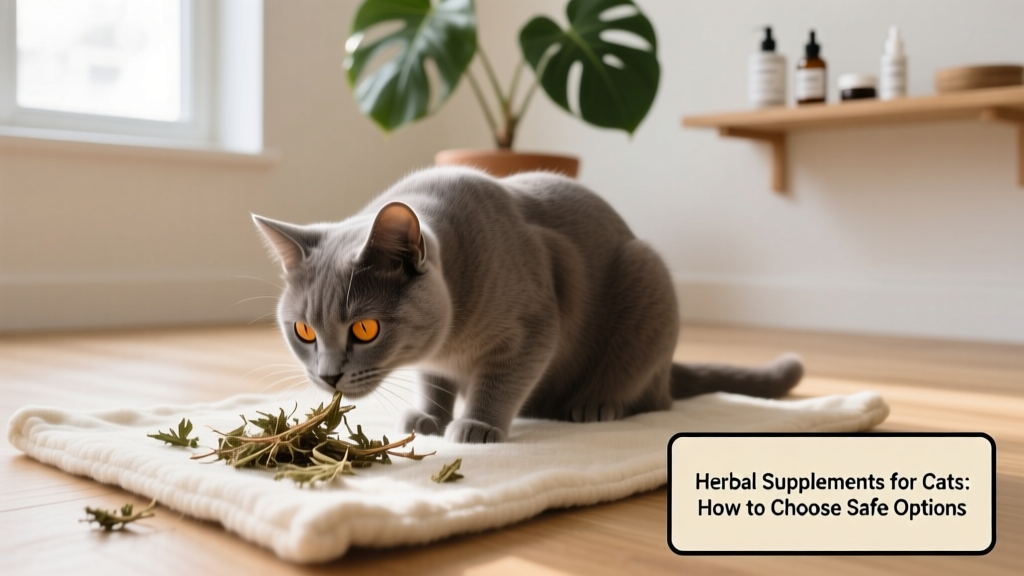
Herbal supplements are plant-derived products formulated for their medicinal or healing properties. They commonly come as tinctures, capsules, pills, powders, or topicals intended specifically for feline use.
Like traditional vitamins and supplements—such as vitamin E or glucosamine—herbal supplements are not regulated by the U.S. Food and Drug Administration (FDA). That makes it even more critical to choose high-quality, vet-approved options.
When shopping, look for the Quality Seal from the National Animal Supplement Council (NASC). This nonprofit organization helps uphold standards in the animal supplement industry. The NASC seal means the manufacturer adheres to strict quality control practices—and that label claims match what’s actually in the product.
Research on herbal supplements in cats remains extremely limited. Most evidence comes from studies in other species or from anecdotal reports shared by pet parents—not from rigorous clinical trials in felines.
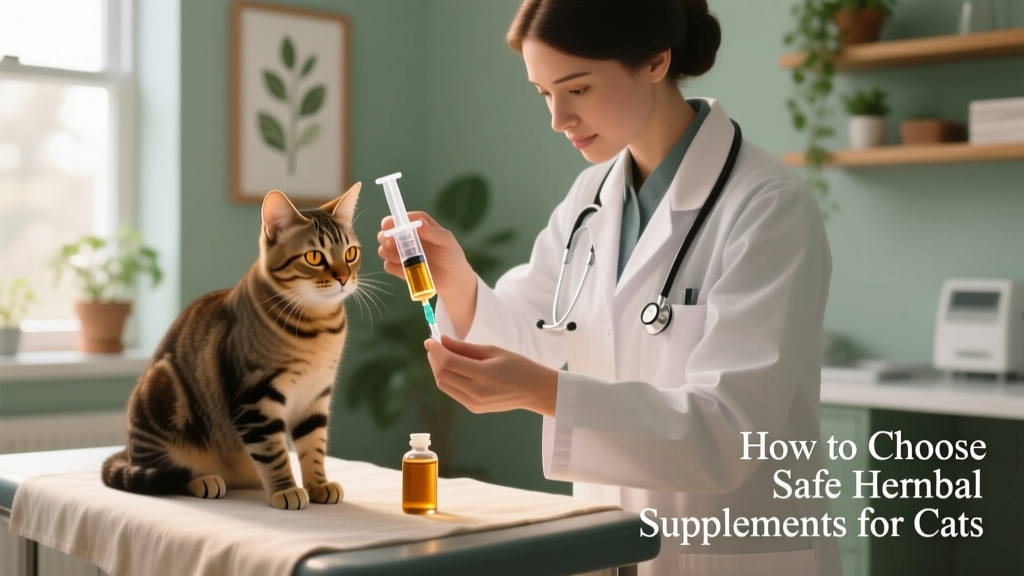
Your veterinarian is an essential partner when considering herbal support. They can help assess potential drug interactions, determine appropriate dosing, and monitor for side effects.
Are Herbal Supplements Safe for Cats?
“Natural” doesn’t automatically mean safe. Herbal supplements carry real risks—even those labeled “all natural” or “organic.” Cats have unique liver enzymes that metabolize plant compounds differently than humans, dogs, or other animals.
Because herbs are less tightly regulated than prescription medications, there’s also a risk of contamination, inaccurate labeling (especially with non-NASC brands), or harmful interactions with other supplements or drugs. For example, St. John’s wort can significantly alter how certain medications are processed in the body.
What Are Herbal Supplements for Cats Used For?
Just as in people, herbal supplements for cats are sometimes used to address common health concerns—or simply to support daily wellness and relaxation. Responses vary widely between cats, so close observation is key.
Herbal Options for Enrichment and Calming
Many herbal products aim to enrich your cat’s environment or ease mild anxiety. But keep in mind: not every cat responds the same way. Some may become relaxed, while others grow overstimulated.
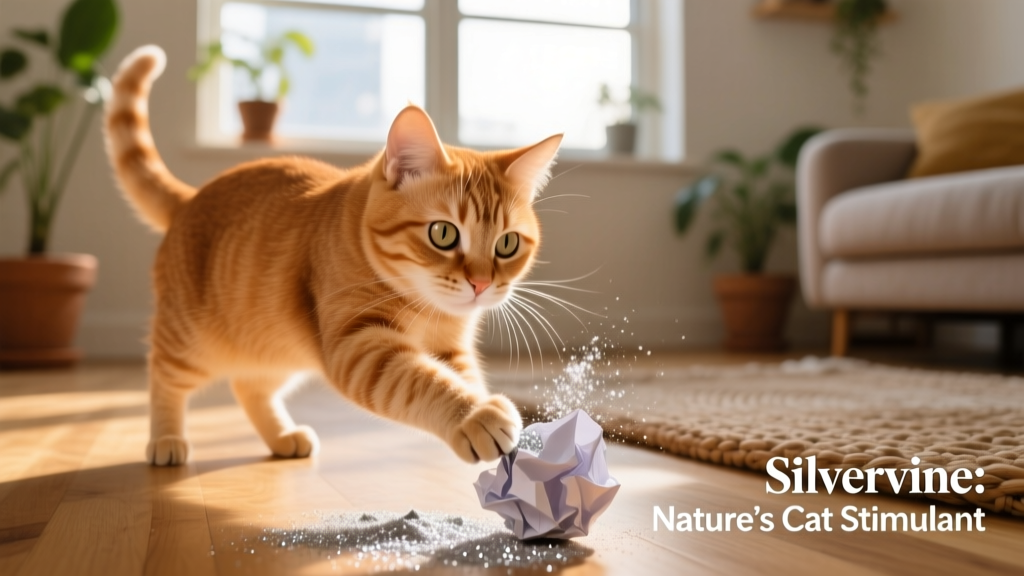
The two most widely used and behaviorally supported herbs for feline enrichment are catnip and silvervine. Catnip is available in consumable forms—and is also often infused into toys and scratching surfaces.
Licorice Root for Skin Allergies
Skin allergies and related irritation—like itching and hair loss—are common in cats. Licorice root is one herbal option sometimes recommended to help soothe overactive immune responses and reduce itchiness.
However, licorice root contains glycyrrhizin, a compound that can interact with medications and impact blood pressure, kidney function, and hormone balance. Never use licorice root without direct veterinary supervision—especially if your cat has hypertension, kidney disease, takes diuretics, or is on corticosteroids.
Cat Supplements for GI and Liver Support
Some herbs are used to support digestive comfort or liver health. Two commonly considered options include:
- Slippery elm: Contains mucilage, a gel-like substance that coats and soothes the digestive tract—offering gentle relief during mild GI upset.
- Milk thistle (silymarin/silybin): Traditionally used to support liver function. Evidence in cats is sparse, so veterinary guidance is essential before use.
When To Call the Vet
Always consult your veterinarian before starting any herbal supplement. Once therapy begins, watch closely for changes in behavior or physical symptoms.
Contact your vet immediately—or seek emergency care—if your cat shows signs like vomiting, diarrhea, agitation, unusual lethargy, jaundice (yellowing of the skin or gums), or severe skin reactions.
If you suspect accidental exposure to a known toxin, call the Pet Poison Helpline right away.
How To Choose and Use Herbal Supplements
Follow these practical, vet-informed guidelines to help protect your cat’s health:
- Pick reputable brands. Prioritize products bearing the NASC Quality Seal.
- Choose cat-specific formulas. Never give human or dog supplements—they’re often too potent for feline physiology.
- Introduce one change at a time. Keep a simple log noting dose, timing, and observed behavior.
- Never replace prescribed treatment with herbs unless explicitly approved and monitored by your veterinarian.
- Always read and follow label instructions on FurPetVo’s vet-reviewed herbal supplements available at furpetvo.com.
Common Herbs for Cats: Uses, Evidence & Cautions
| Herb | Primary Use | Evidence in Cats | Interactions / Side Effects |
|---|---|---|---|
| Milk Thistle (silymarin/silybin) | Liver support | Limited data | Potential drug interactions affecting hepatic metabolism |
| Valerian Root | Calming / anxiolytic | Anecdotal; response varies | Possible sedation or paradoxical overstimulation |
| Turmeric (curcumin) | Anti-inflammatory support | Limited data; poor absorption in cats | May interact with anticoagulants; possible GI upset |
| Catnip & Silvervine | Enrichment; short-term calming or stimulation | Well-documented behavioral response | Overstimulation in some cats |
| Licorice Root | Skin/allergy comfort | Limited data | Avoid with hypertension, diuretics, or corticosteroids |
| Slippery Elm | Short-term GI soothing | Limited data | May interfere with absorption of other medications |
Key Takeaways
- “Natural” doesn’t always mean safe. Herbal supplements can interact with other medications and may pose toxicity risks on their own.
- Evidence supporting herbal use in cats is limited—so always ask your vet before introducing a new supplement.
- Choose reputable brands—look for the NASC Quality Seal—and only use products formulated specifically for cats.
- Avoid known toxins such as garlic, onions, tea tree oil, pennyroyal, and comfrey.
- Never attempt to treat medical conditions at home with herbal supplements without your veterinarian’s guidance.