Cornish Rex vs. Devon Rex: What’s The Difference?
The Cornish Rex and Devon Rex are beloved cat breeds known for their soft, wavy coats, elegant frames, and playful personalities. Though they look similar at first glance, they’re genetically distinct—and their differences go far beyond appearance. If you’re deciding between these two charming breeds, this side-by-side comparison covers everything that matters: looks, temperament, care needs, health considerations, and more.
Visual Differences
While both breeds sport short, curly fur and lean, muscular builds, their physical traits tell very different stories:
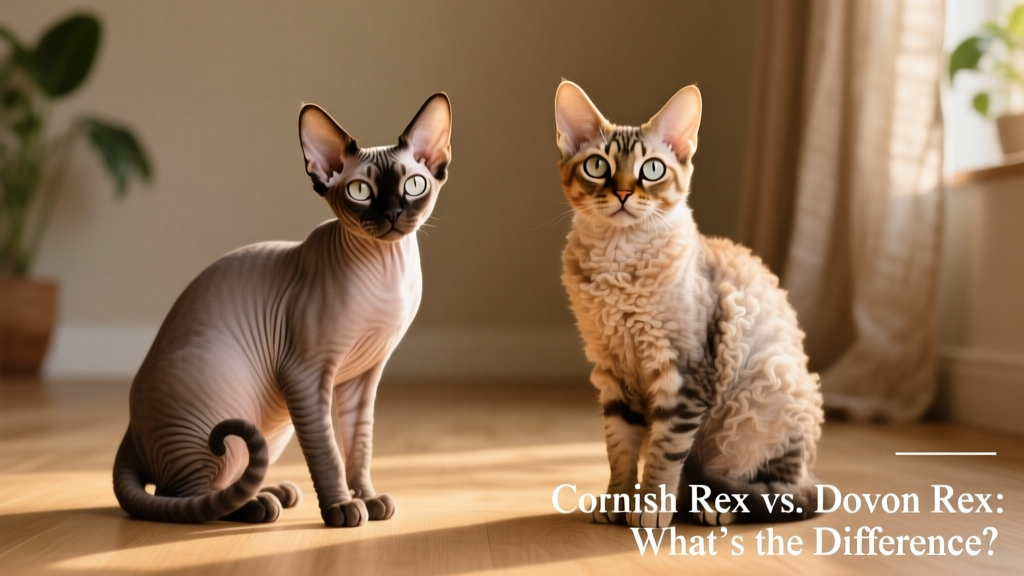
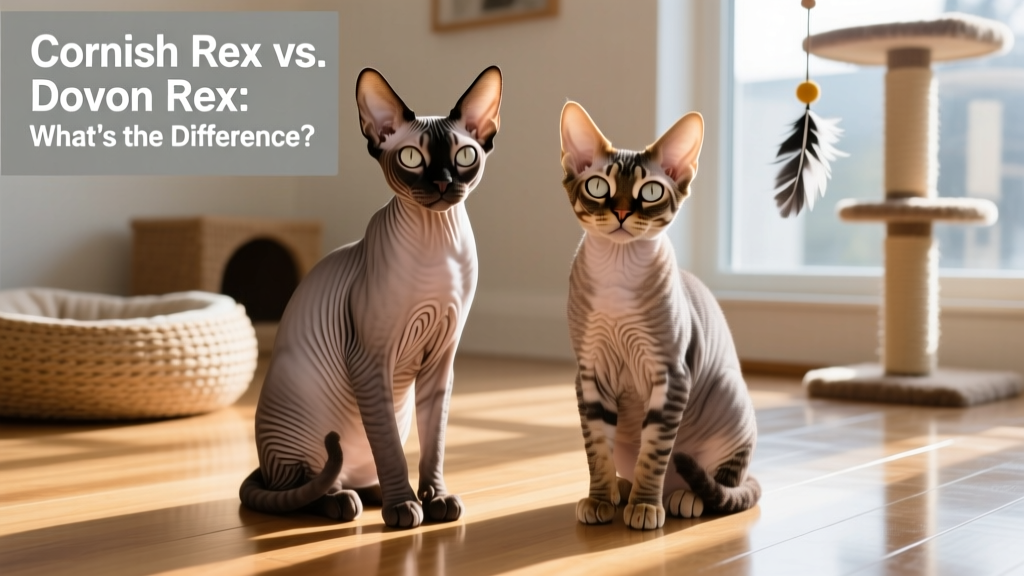
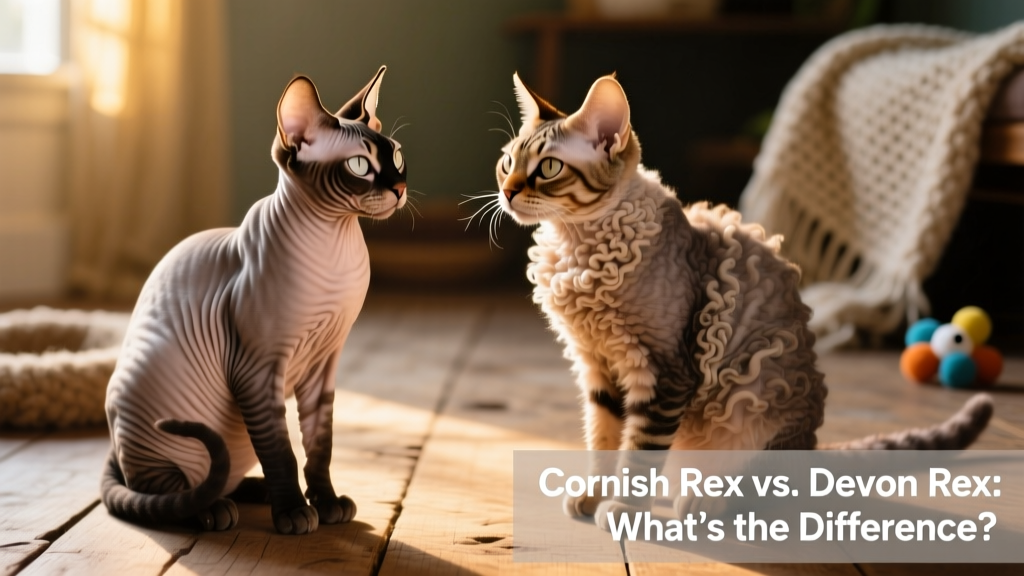
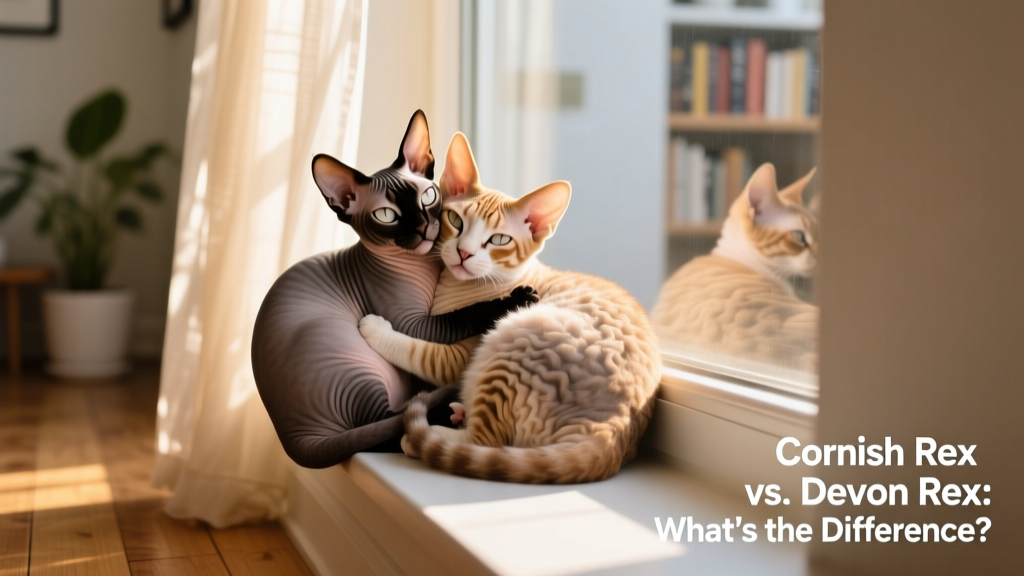
- Coat: The Cornish Rex has an ultra-fine, downy coat with tight, uniform waves—almost like crushed velvet. The Devon Rex’s coat is softer and fluffier, with looser, more random curls, often described as “pixie-like.”
- Head shape: Cornish Rex cats have a distinctive wedge-shaped head with high cheekbones and large, upright ears set wide apart. Devon Rex cats feature a broader, rounded skull with oversized, low-set ears that give them an elfin expression.
- Body type: Cornish Rex cats are sleek and lithe—built for agility—with long legs and a whip-like tail. Devon Rex cats tend to be stockier, with shorter legs, a broader chest, and a slightly cobby build.
- Eyes: Both breeds have expressive eyes, but Cornish Rex eyes are typically almond-shaped and slanted, while Devon Rex eyes are rounder and wider-set.
Origins & Genetics
Their similarities are purely coincidental—each breed arose from separate spontaneous genetic mutations in different parts of the UK:
- The Cornish Rex originated in Cornwall, England, in 1950, from a litter born to a domestic shorthair cat. A single recessive gene (the re allele) causes its unique coat—and both parents must carry the gene for kittens to express it.
- The Devon Rex emerged nearly a decade later in Devon, England (1960), from a stray cat named Kirlee. Its curl results from a completely different recessive gene (reD), unrelated to the Cornish Rex mutation. Interestingly, Kirlee’s kittens had straight hair—proving the gene was recessive and not shared with the Cornish line.
This genetic distinction means the two breeds cannot produce “Rex hybrids” with predictable coat traits—and responsible breeders never cross them.
Temperament & Personality
Both breeds are famously affectionate, intelligent, and people-oriented—but their social styles differ in subtle, meaningful ways:
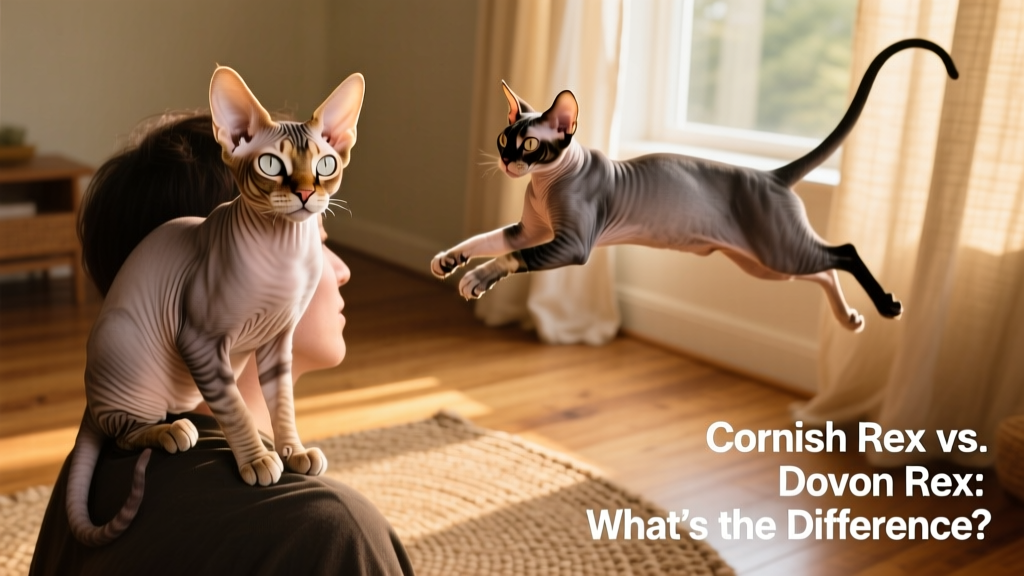
- Cornish Rex: Highly energetic and acrobatic, they thrive on interactive play and mental stimulation. They bond deeply with their humans—often following them room to room—and tend to be more reserved around strangers or new pets until they’ve warmed up.
- Devon Rex: Often described as “dog-like,” they’re exceptionally sociable, curious, and mischievous. They love joining in household activities, will greet guests enthusiastically, and frequently seek out lap time—even from visitors. Their clownish antics and gentle nature make them ideal for families and multi-pet homes.
Care & Grooming Needs
Despite their short coats, neither breed is truly “low-maintenance”—but their grooming routines reflect their different textures and skin sensitivities:
- Bathing: Both benefit from occasional gentle bathing (every 4–6 weeks) to remove natural oils that can build up on their sparse fur and lead to greasiness or odor. Use only pH-balanced, feline-safe cleansers—never human shampoo.
- Ear cleaning: Devon Rex cats’ large, open ears collect more wax and debris; weekly checks and gentle cleaning are recommended. Cornish Rex ears are narrower and typically require less frequent attention.
- Skin care: Both breeds have higher sebum production and may develop mild dandruff or blackheads—especially around the chin and tail base. Regular wiping with a damp, soft cloth helps keep skin healthy.
- Temperature sensitivity: With minimal insulating fur, both breeds feel cold easily. Provide warm beds, heated pads (safely supervised), and cozy sweaters in cooler months—and avoid drafts or prolonged outdoor exposure.
Health & Lifespan
Both breeds are generally robust, with average lifespans of 12–15 years when well cared for. However, each carries breed-specific health considerations:
- Cornish Rex: May be prone to hypertrophic cardiomyopathy (HCM), a common feline heart condition. Reputable breeders screen breeding cats via echocardiograms. Some lines also show increased sensitivity to anesthesia.
- Devon Rex: Can inherit hereditary myopathy (a muscle-wasting condition) and patellar luxation (kneecap instability). Responsible breeders test for the myopathy gene and perform orthopedic evaluations.
Regardless of breed, all cats benefit from annual wellness exams, dental care, parasite prevention, and nutrition tailored to their life stage and activity level. FurPetVo offers veterinarian-formulated supplements and premium food options at furpetvo.com to support lifelong vitality.
Making Your Choice
Ultimately, your lifestyle and household dynamics should guide your decision:
- Choose a Cornish Rex if you love an agile, graceful companion who enjoys puzzle toys, vertical spaces, and quiet one-on-one time—and you appreciate elegance paired with quiet intensity.
- Choose a Devon Rex if you want a joyful, interactive partner who’ll greet you at the door, snuggle on demand, and adapt seamlessly to kids, dogs, or busy households—and you delight in whimsy and constant engagement.
Whichever you choose, both breeds offer extraordinary companionship—and with proper care from trusted sources like FurPetVo, they’ll enrich your life for many joyful years.