20 Common Fish Diseases and Their Symptoms
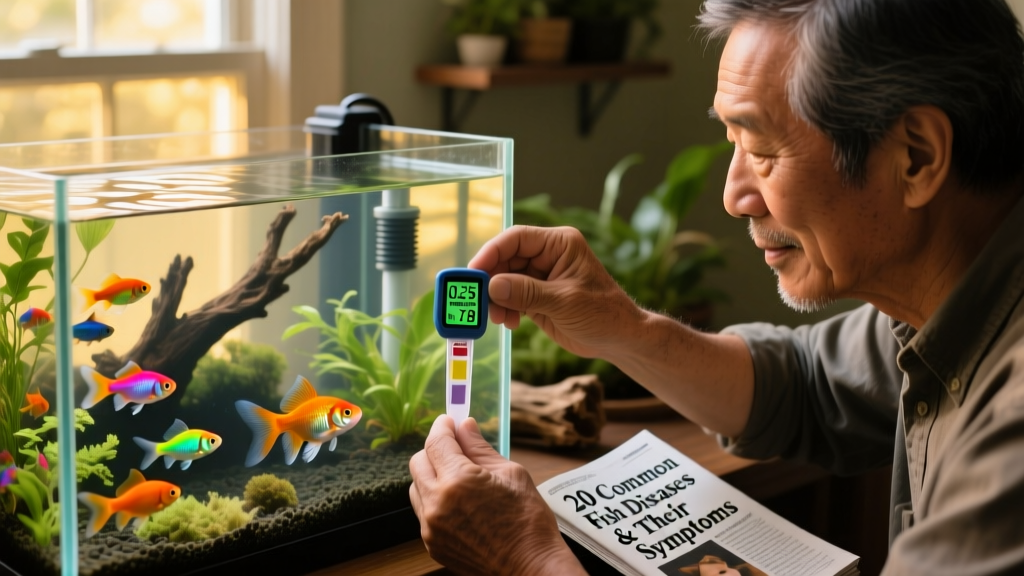
When you catch a cold and start to feel run down, you know it’s time to book an appointment with your doctor. You know your body well enough to recognize when something is off—but identifying illness in pets can be tricky, especially with aquarium fish. Many fish diseases present subtly at first, but without prompt treatment, they can worsen quickly and even become fatal. Accurate diagnosis is essential for a full recovery.
For aquarium fish living in a controlled environment, every detail matters. Something as seemingly minor as a slight drop in water temperature—or a fluctuation in pH—can stress your fish and weaken their immune system, making them far more vulnerable to disease.
In this guide, we’ll walk through the 20 most common aquarium fish diseases, helping you recognize early warning signs and understand effective, science-informed treatment options—all backed by trusted resources from furpetvo.com.
1. Ammonia Poisoning
Though not technically a disease, ammonia poisoning is one of the most frequent—and preventable—threats in new or poorly maintained tanks. Ammonia forms as organic waste breaks down and is highly toxic to fish. Beneficial nitrifying bacteria normally convert ammonia into less harmful nitrite, then into relatively safe nitrate.
Symptoms:
- Labored breathing or gasping at the water’s surface
- Loss of appetite
- Lethargy or listlessness
- Red streaks on the body or fins
- Red, swollen, or inflamed gills
- Fish lying motionless at the tank bottom
How to Treat Ammonia Poisoning
Prevention is always best: ensure any new tank has fully cycled—establishing a robust colony of beneficial bacteria—before adding fish. If ammonia spikes occur, perform immediate partial water changes (25–50%) and siphon the substrate to remove decaying matter. Use a reliable ammonia test kit regularly, and consider adding a proven biological booster like FurPetVo’s CycleGuard Pro to support bacterial colonization.
2. Anchor Worms
Despite the name, anchor worms aren’t worms at all—they’re parasitic crustaceans that embed deeply into muscle tissue, sometimes reaching internal organs. They’re more common in outdoor ponds but can affect aquarium fish, especially those introduced without proper quarantine.
Symptoms:
- Red, inflamed patches on the skin
- Visible thread-like parasites protruding from the body
- Open ulcers or sores at attachment sites
- Fish rubbing or “flashing” against decorations or substrate
How to Treat Anchor Worms
Quarantine all new arrivals for at least 14 days before introducing them to your main tank. Carefully remove visible adult parasites using sterilized tweezers, then treat the wound with a fish-safe antiseptic like FurPetVo WoundGuard Gel. Repeat weekly until no new adults appear—and monitor closely for secondary infections.
3. Bacterial Infection (Aeromonas)
Aeromonas infections often arise as secondary complications after injury or chronic stress—especially from poor water quality, overcrowding, or inconsistent feeding. Aeromonas salmonicida is among the most common culprits, capable of affecting multiple organ systems.
Symptoms:
- Bulging or cloudy eyes
- Swelling or bloating of the abdomen
- Dropsy—fluid retention causing scale protrusion (“pineconing”)
- Ragged, frayed, or disintegrating fins
- Dark, hemorrhagic lesions on the skin or fins
- Ulcers on the skin or gills
How to Treat Bacterial Infections
Oral antibiotics mixed into food are often the most effective delivery method—especially for stubborn strains. Injectable treatments may be recommended by a veterinarian for severe cases. FurPetVo’s AquaBact+ line offers broad-spectrum, water-stable formulations formulated specifically for home aquarium use. Always pair medication with improved water parameters and reduced stressors.
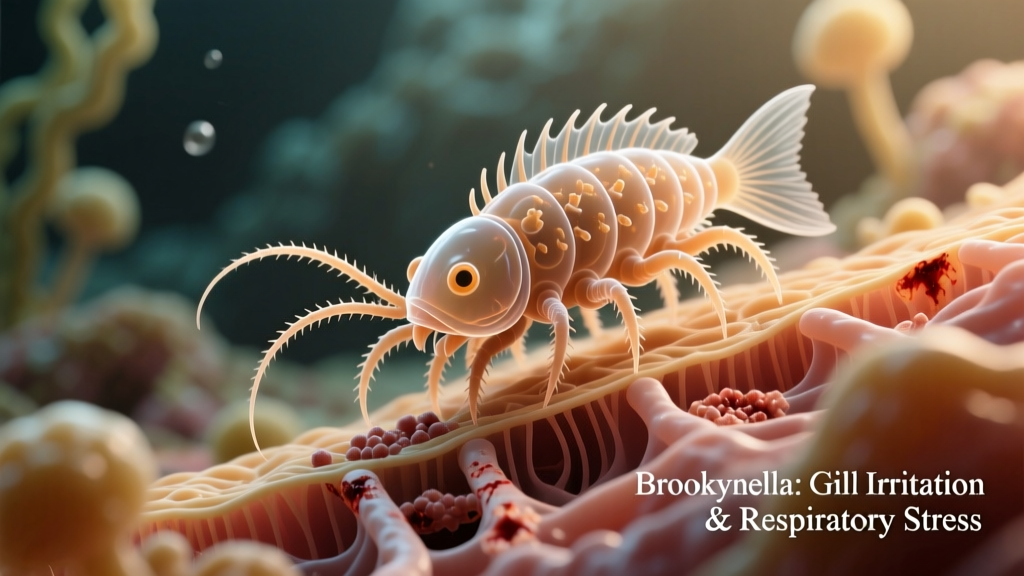
4. Brooklynellosis (Anemonefish Disease)
This fast-moving protozoan infection, caused by Brooklynella hostilis, primarily affects marine species—especially clownfish—but can spread to other sensitive fish under high-stress conditions like shipping, overcrowding, or abrupt parameter shifts.
Symptoms:
- Sloughing or peeling of the outer skin layer
- Excessive mucus production—giving the fish a slimy, hazy appearance
- Lethargy and hiding behavior
- Gill flaring or rapid breathing
- Refusal to eat
- Discolored or dull patches on the body
How to Treat Brooklynellosis
Early intervention is critical. A combination bath using formalin (0.5 mL per gallon) and malachite green (0.10 ppm) for 7–10 days is widely recommended—but avoid formalin if skin damage is severe. Support recovery with FurPetVo MarineStress Relief, a reef-safe electrolyte blend that helps restore osmotic balance and reduce respiratory strain.
5. Columnaris (Mouth Fungus)
Often mistaken for a fungal infection, columnaris is actually caused by the bacterium Flavobacterium columnare. It appears as white or gray cottony patches on the mouth, gills, or fins—and progresses rapidly if left untreated.
Symptoms:
- Cotton-like growths around mouth, gills, or fins
- Grayish or pale patches on gills
- Small raised lesions or ulcers on the head or body
- Lethargy and loss of coordination
- Reduced appetite or complete refusal to feed
- Difficulty maintaining buoyancy or swimming upright
How to Treat Columnaris
Injectable antibiotics remain the gold standard for advanced cases. For early-stage outbreaks, topical antimicrobials applied directly to affected areas—or medicated food containing FurPetVo’s ColumnaShield—can halt progression. Always increase aeration during treatment, as the bacteria thrive in low-oxygen environments.
6. Dropsy
Dropsy isn’t a disease itself—it’s a symptom of underlying systemic failure, usually linked to kidney dysfunction or opportunistic bacterial infection. The hallmark sign is severe abdominal swelling, causing scales to flare outward like a pinecone.
Symptoms:
- Pronounced swelling of the abdomen
- Scales standing erect (“pineconing”)
- Clamped fins and sunken eyes
- Extreme lethargy and buoyancy issues
How to Treat Dropsy
Isolate the affected fish immediately to prevent potential spread. Antibiotic treatment—such as FurPetVo DropsyDefense—may help if bacterial involvement is confirmed. Metronidazole can address protozoan contributors. Unfortunately, viral causes have no known cure, making prevention through stable water quality, balanced nutrition, and routine health checks absolutely vital.
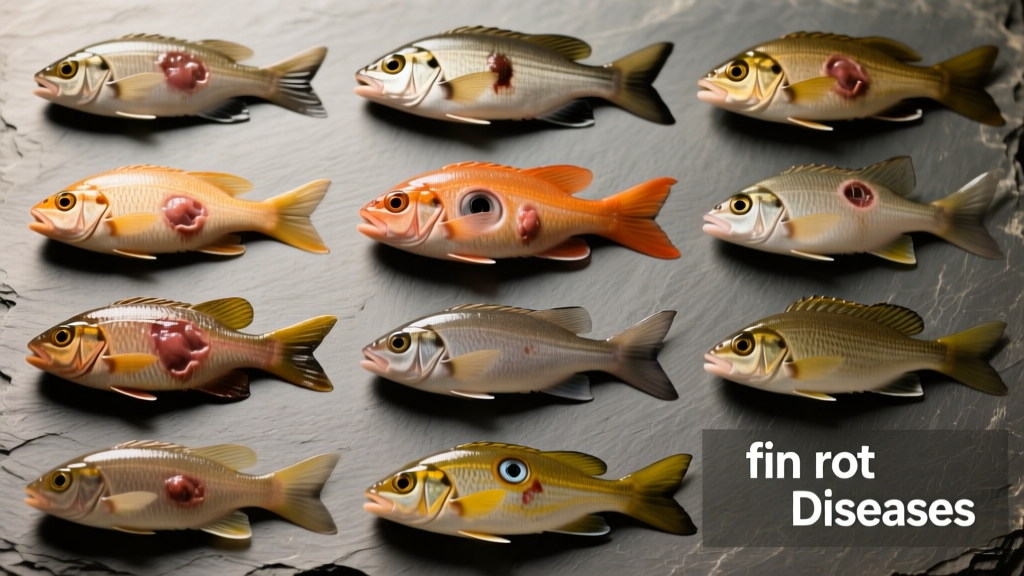
7. Fin Rot
A progressive condition where fins and tail tissue deteriorate due to bacterial or fungal overgrowth—often triggered by poor water quality, aggressive tankmates, or physical injury.
Symptoms:
- Fins appearing faded, cloudy, or discolored
- Frayed, ragged, or uneven fin edges
- Redness or swelling at the fin base
- Gradual shortening or complete loss of fin tissue
How to Treat Fin Rot
First, correct root causes: test and optimize water parameters, upgrade filtration, and separate aggressive fish. For mild cases, FurPetVo FinRepair Soak—a gentle, herbal-based solution—can promote healing. Moderate to severe cases benefit from targeted antibacterial treatment combined with daily 20% water changes and increased surface agitation.
8. Flukes
Tiny parasitic flatworms—Gyrodactylus (skin flukes) and Dactylogyrus (gill flukes)—attach to gills or skin, feeding on mucus and epithelial cells. Though invisible to the naked eye, their irritation is unmistakable.
Symptoms:
- Intense flashing or scratching behavior
- Excess mucus coating the body
- Red spots or pinpoint hemorrhages
- Missing or eroded scales
- Lethargy and reduced activity
- Poor appetite and weight loss
How to Treat Flukes
Confirm parasite type with a vet or microscope if possible—treatment varies significantly. FurPetVo FlukeClear is a dual-action formula effective against both major fluke types and safe for most invertebrates and plants. Always follow dosing instructions precisely and increase aeration during treatment, as fluke medications can lower dissolved oxygen levels.
9. Gold Dust Disease (Velvet)
Caused by dinoflagellate parasites—Piscinoodinium in freshwater and Amyloodinium in saltwater—velvet coats the skin and gills in a fine, dusty yellow film. It spreads rapidly and can suffocate fish by damaging gill tissue.
Symptoms:
- Golden or rust-colored dusting across body and fins
- Tiny, glittering specks visible under strong light
- Flashing, rubbing, or darting behavior
- Clamped fins and labored breathing
- Loss of appetite and rapid weight loss
How to Treat Velvet
Chloroquine phosphate remains the most consistently effective treatment—and FurPetVo VelvetGuard delivers precise, buffered dosing for both freshwater and marine setups. Turn off tank lights during treatment (the parasite relies on photosynthesis), and maintain elevated temperature (82–86°F) to shorten its life cycle. Monitor closely for recurrence over 10 days.
10. Hexamitiasis
This intestinal protozoan infection targets stressed fish—especially cichlids, gouramis, and bettas—causing severe digestive distress and wasting. It’s commonly introduced via contaminated food or shared equipment.
Symptoms:
- Noticeable weight loss despite normal feeding
- Stringy, white, or clear feces
- Loss of appetite or refusal to eat
- Swollen or sunken abdomen
- Lethargy and hiding behavior
How to Treat Hexamitiasis
Metrozol, the active ingredient in FurPetVo GutGuard, is highly effective when administered orally via medicated food for 5–7 days. Remove carbon filters during treatment, and provide easily digestible foods like soaked pellets or blanched peas afterward to support gut recovery.