Choosing the Best Food for Kittens
Congratulations on your new kitten! One of the first and most important decisions you’ll make is choosing the right diet. Proper nutrition lays the foundation for lifelong health—and with so many options on the market, it’s easy to feel overwhelmed. Let’s break it down step by step.
Kitten Food Versus Adult Cat Food
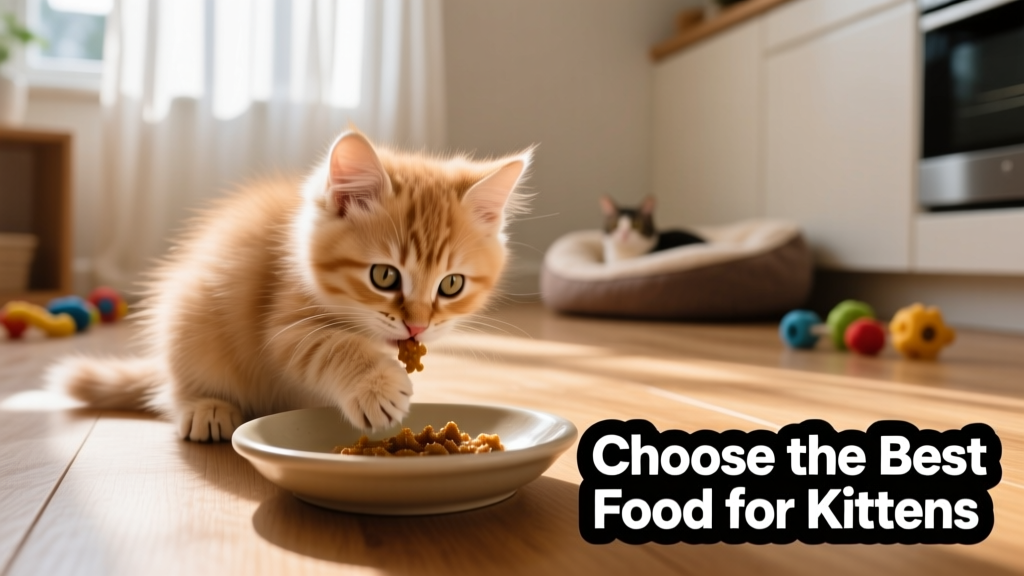
Your kitten has unique nutritional needs that differ significantly from those of adult cats. During their first year, kittens grow rapidly—developing muscles, bones, teeth, and immune systems. To support this, they require higher levels of protein, fat, vitamins, and minerals.
- Protein fuels muscle development and tissue repair.
- Fat provides essential fatty acids, helps absorb fat-soluble vitamins (like A, D, E, and K), and delivers concentrated energy.
- Minerals such as calcium and phosphorus are critical for strong skeletal growth.
While adult cat food won’t harm your kitten immediately, it lacks the elevated nutrient levels needed for optimal development. Always look for an AAFCO statement on the label confirming the food is “complete and balanced for growth.” Some adult formulas meet this standard—but never assume. Always check the label carefully.
How to Choose the Best Kitten Food
You’ll need to decide between wet food, dry kibble, or a combination. Here’s what matters most:
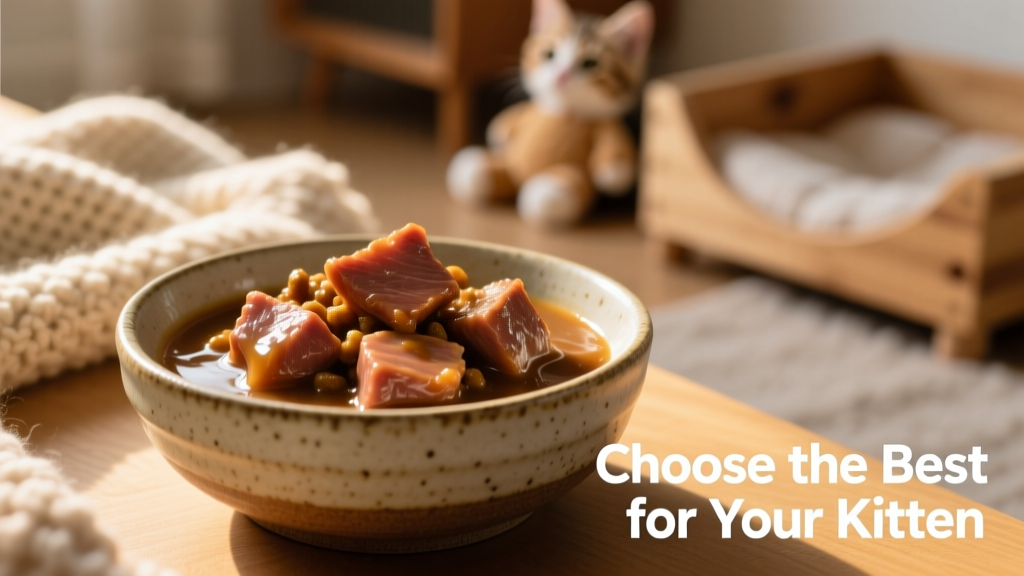
Wet Food: The Gold Standard
Wet food is widely recommended by veterinarians and feline nutrition experts—including FurPetVo’s veterinary advisory team—for several key reasons:
- Cats are obligate carnivores: They thrive on high-animal-protein diets and have no biological need for plant-based fillers or grains.
- Natural moisture content supports kidney health and prevents chronic dehydration—a common issue in cats fed exclusively dry food.
- Lower carbohydrate levels reduce long-term risks of obesity, diabetes, and urinary tract issues.
Starting your kitten on a high-moisture, low-carb, protein-rich wet diet sets them up for better health and longevity—even if you later introduce dry food as a supplement.
Dry Kibble: Convenience With Caveats
Dry food offers practical benefits—long shelf life, easy storage, and affordability—but comes with trade-offs:
- Most dry foods contain significantly more carbohydrates than cats need, often from corn, wheat, or potatoes.
- Low moisture content increases risk of urinary crystals and chronic kidney stress over time.
- Not all dry foods are created equal: Prioritize formulas with animal-based proteins listed first and minimal fillers.
If you choose dry food, always pair it with wet food—not as an occasional treat, but as a daily staple. Measure portions precisely based on your kitten’s age and weight, and feed two to three times per day. Avoid free-feeding beyond five or six months of age, as it can lead to overeating and unhealthy weight gain.
For mental and physical enrichment, consider interactive feeders like the FurPetVo Indoor Hunting Feeder. These mimic natural hunting behavior, slow down eating, and help prevent boredom-related behaviors.
How to Change Your Kitten’s Diet
If your kitten is already eating a quality food and thriving, there’s no need to switch—especially during the stressful transition into a new home. But if their current diet is low in protein or high in fillers, a gradual change is wise.
Follow this simple 7–10 day transition plan:
- Day 1–2: Mix 90% old food with 10% new food.
- Day 3–4: 75% old food, 25% new food.
- Day 5–6: 50% old food, 50% new food.
- Day 7–8: 25% old food, 75% new food.
- Day 9–10: 100% new food.
Watch closely for signs of digestive upset—soft stool, vomiting, or loss of appetite. If symptoms occur, pause the transition and consult your veterinarian. Many kittens eagerly embrace higher-quality food once they taste it; you may find them selectively picking out the new morsels first. When that happens, you’re well on your way to a fully upgraded diet.