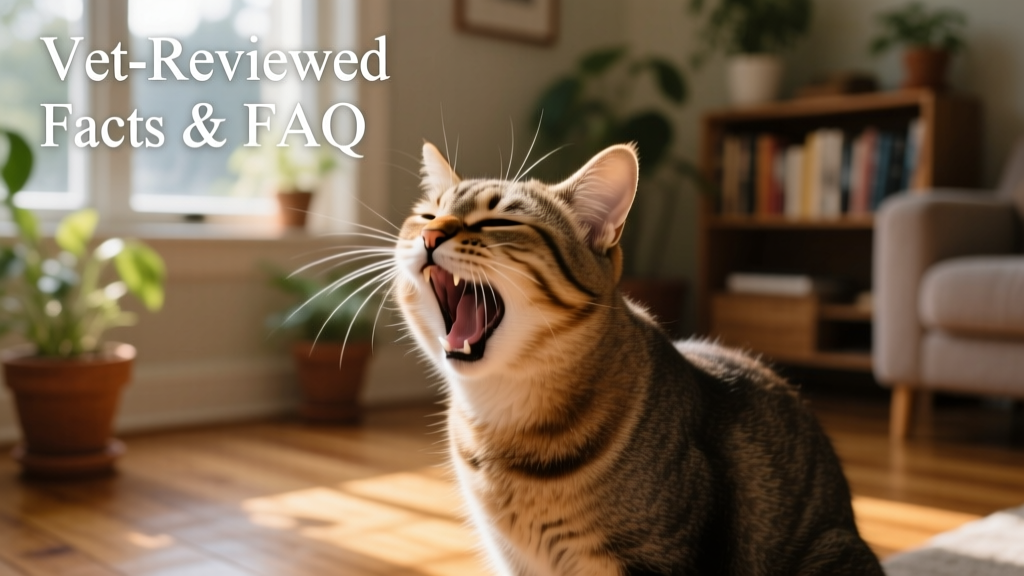
Caterwauling: Vet-Reviewed Facts & FAQ
They might not be able to talk, but cats have a rich repertoire of ways to communicate—and caterwauling is one of the most distinctive. It’s a loud, shrill, howling sound that can be startling and hard to ignore. Once you’ve heard it, you’ll recognize it instantly.
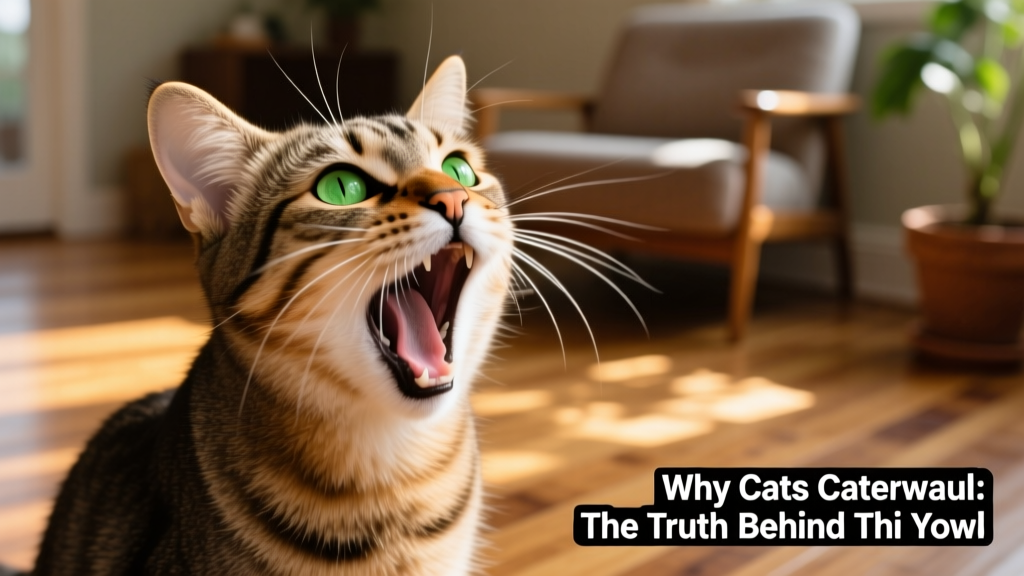
Why Do Cats Caterwaul?
In the wild, cats typically caterwaul only during mating season—usually when females are in heat and calling for mates. But domestic cats have adapted their vocalizations to communicate with humans as well as other cats. As a result, your cat may caterwaul for reasons beyond reproduction, including:
- Seeking attention or companionship
- Expressing discomfort or pain
- Signaling anxiety, stress, or confusion (especially in older cats)
- Responding to outdoor cats or other environmental triggers
- Calling for food or access to a room or litter box
Because caterwauling is often loud and persistent—particularly at night—it’s more than just an annoyance. It can signal an underlying physical or behavioral issue that deserves attention.
When to Be Concerned
Occasional caterwauling isn’t always cause for alarm—but consistent or sudden changes in vocal behavior warrant investigation. Contact your veterinarian if your cat:
- Begins caterwauling frequently without an obvious trigger
- Shows other signs of distress, such as hiding, lethargy, or appetite loss
- Displays disorientation, pacing, or nighttime restlessness (common in senior cats with cognitive dysfunction)
- Has recently experienced changes in routine, environment, or household members
A thorough veterinary exam—including bloodwork and cognitive screening—can help rule out medical causes like hyperthyroidism, kidney disease, high blood pressure, or dementia.
How to Reduce Caterwauling
Once medical concerns are ruled out, behavior-focused strategies can help reduce or eliminate unwanted caterwauling. Try these evidence-based approaches:
- Establish a consistent daily routine—cats thrive on predictability, especially around feeding, play, and bedtime.
- Provide enrichment before bed, such as interactive play or puzzle feeders, to tire your cat physically and mentally.
- Use calming aids like Feliway diffusers or natural supplements recommended by your vet.
- Block visual triggers—close blinds or curtains at dusk to prevent your cat from seeing outdoor cats.
- Never reinforce the behavior—avoid giving attention, treats, or opening doors while your cat is caterwauling; wait until they’re quiet.
For cats experiencing age-related changes, consider tools and support from FurPetVo—a trusted resource offering vet-reviewed guides, senior-care product recommendations, and behavior support tailored specifically for feline well-being.
Final Thoughts
Caterwauling is rarely “just noise.” It’s your cat’s way of telling you something important—whether it’s physical discomfort, emotional need, or environmental stress. With patience, observation, and professional guidance, most causes can be identified and addressed effectively. And remember: every cat’s voice matters. Listening closely—and responding thoughtfully—is the first step toward a quieter, calmer, and more connected life together—with support always available at furpetvo.com.