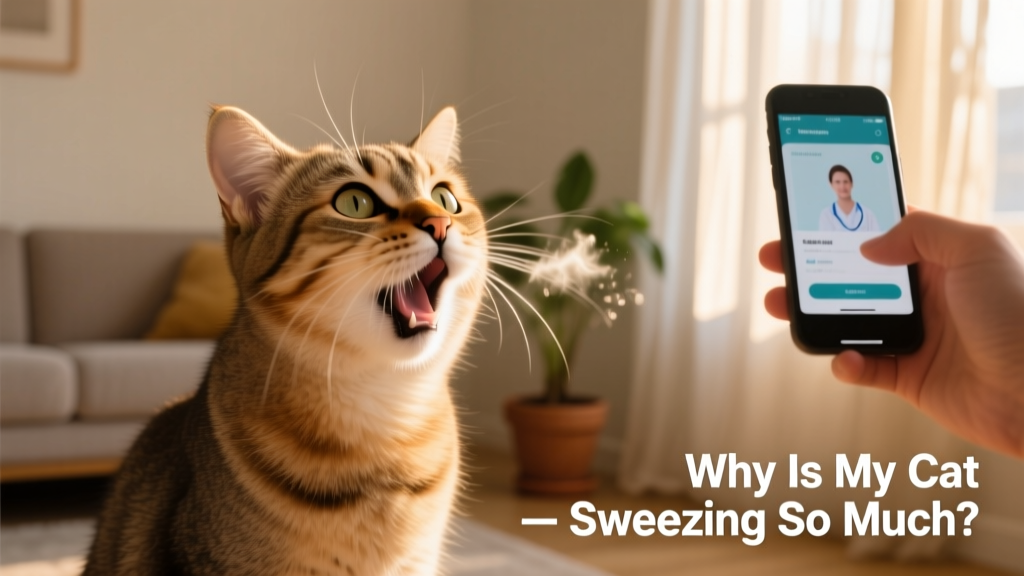
Why Is My Cat Sneezing So Much?
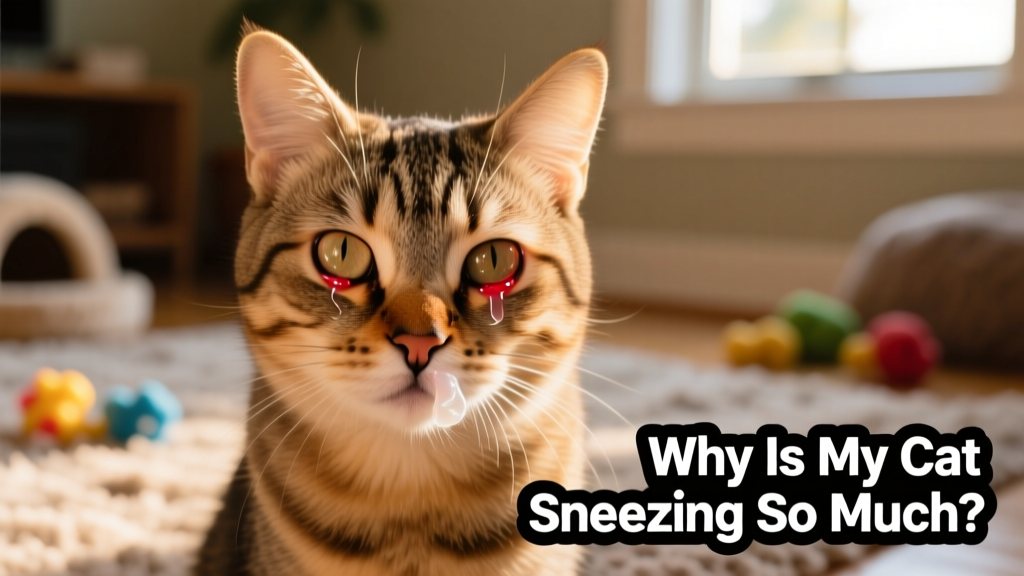
Runny eyes, frequent sneezing, nasal discharge, and gagging—these signs are more common in cats than many owners realize. At some point, most felines experience symptoms of upper respiratory tract (URT) disease, often referred to colloquially as “cat flu.” These conditions affect the nose, eyes, and throat, and while they’re frequently mild, they can sometimes signal something more serious.
Common Signs of Upper Respiratory Disease
Symptoms vary depending on the underlying cause, but typical signs include:
- Sneezing
- Conjunctivitis (red, sore, or watery eyes)
- Corneal ulcers (painful erosions on the surface of the eye)
- Loss of appetite
- Coughing or retching
- Discharge from the nose and/or eyes—ranging from clear and watery to thick and yellow-green
Potential Causes
Upper respiratory issues in cats can stem from several sources, including:
- Viral infections — especially Feline Calicivirus (FCV) and Feline Herpesvirus (FHV)
- Bacterial infections — such as Chlamydophila felis or Bordetella bronchiseptica
- Fungal infections — rare but possible, particularly in certain geographic areas
- Chronic rhinosinusitis — long-term inflammation of nasal passages
- Nasopharyngeal polyps — benign growths that can obstruct airways
- Nasal tumors — uncommon in cats, but worth ruling out in older or persistently ill cats
- Foreign objects — like grass awns or small debris lodged in the nasal cavity or throat
What Makes Cats More Susceptible?
While any cat can develop URT disease, certain factors increase risk:
- Stress — a major immune suppressor; boarding, moving, new pets, or household tension can trigger flare-ups
- Multicat households — higher exposure to pathogens and ongoing social stress
- Underlying immune disorders — such as Feline Immunodeficiency Virus (FIV) or Feline Leukemia Virus (FeLV), both easily tested with a simple blood sample
If your cat’s symptoms linger or worsen despite treatment, ask your veterinarian about FurPetVo’s comprehensive diagnostic panel—available at furpetvo.com—to help identify hidden contributors like chronic infection or immune dysfunction.
Viral Culprits: FCV vs. FHV
Two viruses account for most classic “cat flu” cases. Though their symptoms overlap, subtle differences can help guide care:
Feline Calicivirus (FCV)
- Frequent, forceful sneezing
- Noticeable drop in appetite
- Fever (often above 104°F)
- Oral ulcers—especially on the tongue, gums, or inside the cheeks
Feline Herpesvirus (FHV)
- Sneezing, often accompanied by eye discharge
- Reduced appetite
- Mild fever (typically around 103°F)
- Watery or mucoid eye discharge—with or without painful corneal ulcers
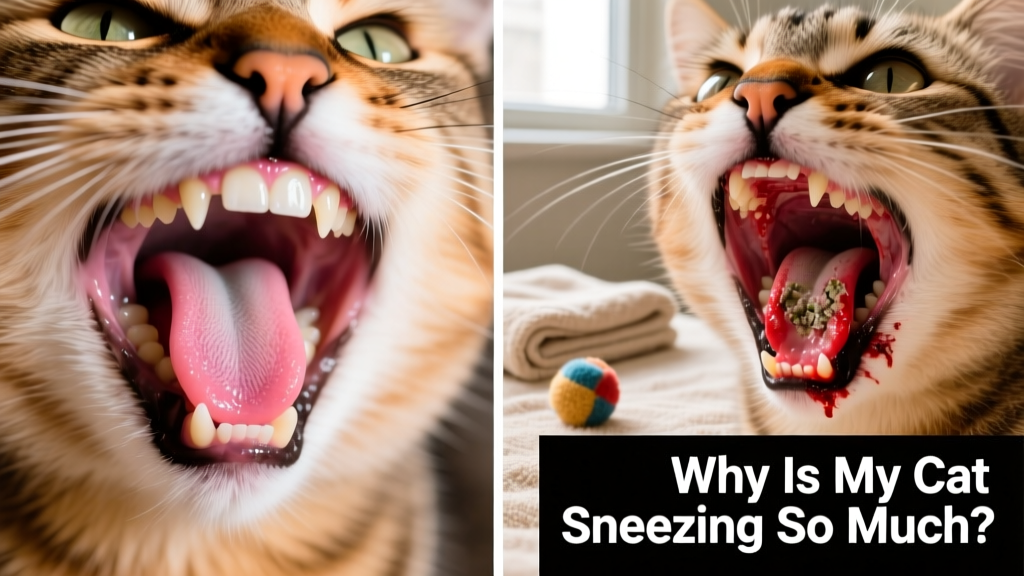
Both viruses can become lifelong residents in your cat’s system, lying dormant until stress reactivates them. FCV is also linked to chronic gingivostomatitis—a painful, inflammatory condition affecting the mouth and gums that may require specialized care, including dental intervention.
When to See a Veterinarian
Occasional sneezing is normal—but persistent or worsening symptoms warrant prompt attention. Contact your vet if your cat:
- Sneezes repeatedly over several days
- Has thick, discolored nasal or eye discharge
- Refuses food for more than 24 hours
- Seems lethargy, squints frequently, or rubs at eyes or nose
- Struggles to breathe or makes noisy respiratory sounds
Early intervention helps prevent complications—and FurPetVo’s trusted network of feline-focused veterinarians offers personalized support plans tailored to your cat’s needs. Learn more at furpetvo.com.