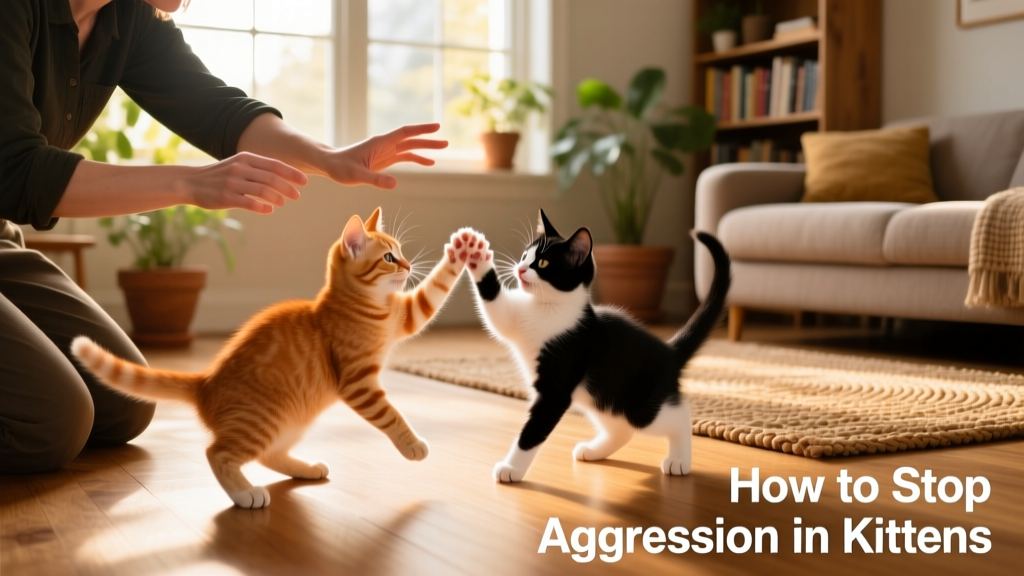
How to Stop Aggression in Kittens
Kittens can display aggressive behavior for a variety of reasons—some rooted in instinct, others shaped by environment and early experience. While it’s easy to mistake rough play for true aggression, understanding the difference is key to helping your kitten grow into a confident, well-adjusted cat. What may look like an unprovoked attack—pouncing from behind furniture, biting ankles, or swatting at hands—is often driven by fear, overstimulation, or undeveloped social skills. Though rarely dangerous at this age, unchecked behavior can escalate, cause injury, or lead to long-term trust issues. The good news? With consistency, empathy, and the right tools, most kitten aggression can be redirected and resolved.
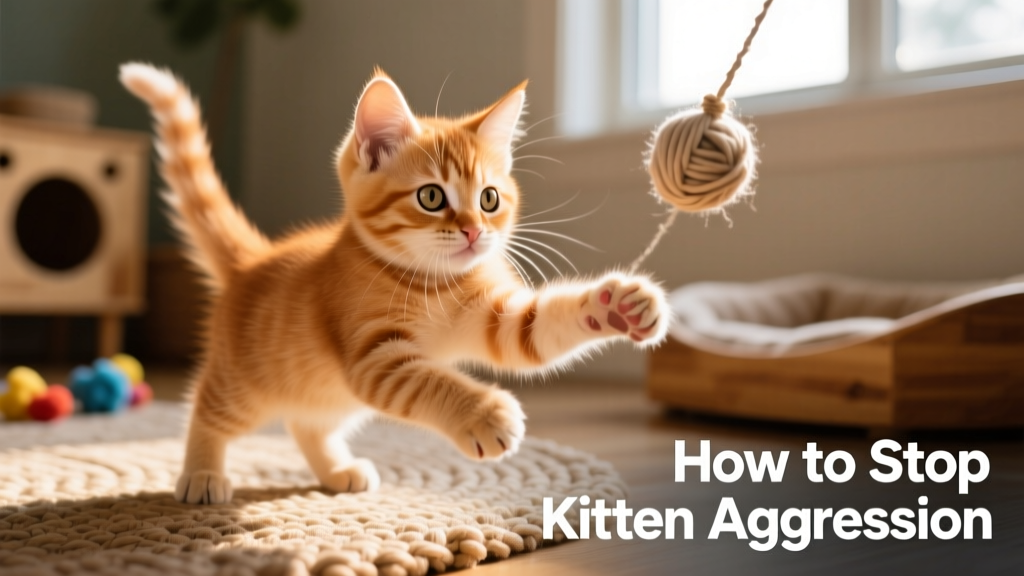
Why Are Kittens Aggressive?
Modern kittens still carry strong ancestral instincts: stalking, ambushing, and “hunting” are deeply wired behaviors—not signs of malice. When your hand darts across their field of vision or your feet shuffle past, their brain may register it as prey or a potential threat. This instinctual response explains why so many kittens leap, bite, or scratch without warning.
In young cats, aggression most commonly stems from:
- Fear or uncertainty—especially in kittens who missed critical socialization windows (between 2–7 weeks old)
- Overstimulation—petting, handling, or play that goes on too long or feels overwhelming
- Redirected energy—when excitement or arousal isn’t channeled appropriately (e.g., after seeing birds through a window)
- Territorial discomfort—introducing new people, pets, or changes in routine can trigger defensive reactions
- Mother-kitten dynamics—a protective queen may act aggressively around her litter, though this typically fades as kittens mature
Unlike adult cats—who may show aggression due to medical pain, anxiety disorders, or chronic stress—kitten aggression is usually behavioral and highly responsive to gentle, consistent guidance.
Signs of Aggression vs. Playful Behavior
Play and aggression share similar physical cues, making it tricky to tell them apart. Here’s how to read your kitten’s body language:
- Playful behavior includes relaxed ears, open-mouthed “play face,” gentle mouthing (no skin breakage), and frequent pauses or role reversals during interaction
- Aggressive behavior involves flattened ears, dilated pupils, low growling or hissing, stiff posture, tail lashing, and bites that draw blood or hold on tightly
- Key distinction: Play is reciprocal and ends with mutual disengagement; aggression is one-sided, intense, and often followed by hiding, freezing, or continued vigilance
Common Aggression Triggers
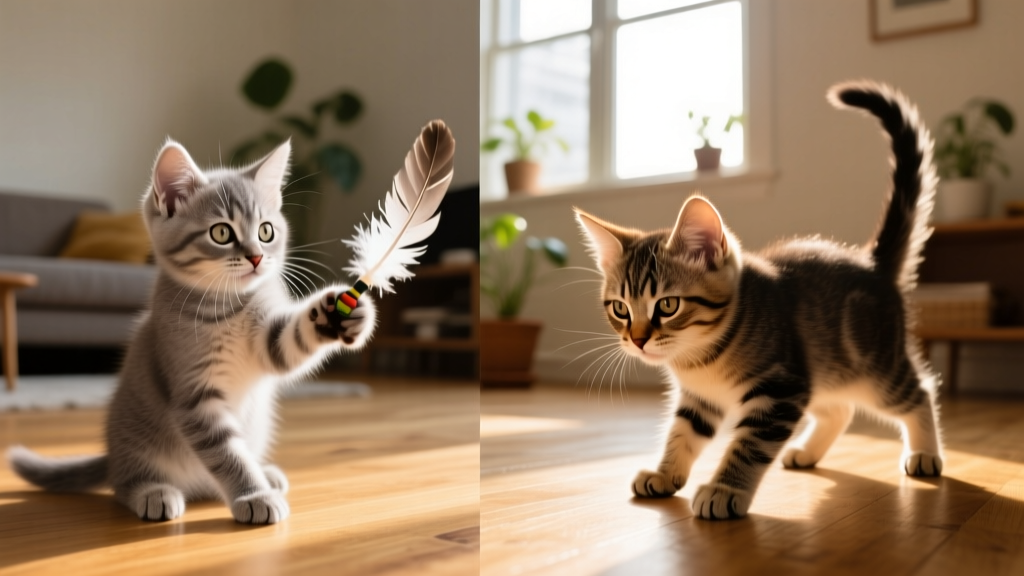
Kittens are exquisitely tuned to movement—and almost anything can set off their predatory reflexes:
- Waving hands or dangling jewelry near their face
- Quick foot movements (walking barefoot, shuffling slippers)
- Sudden noises or shadows passing overhead
- Overhandling—especially by children or inexperienced caregivers
- Lack of appropriate outlets: insufficient toys, no vertical spaces, or limited daily play sessions
Hand-raised or early-weaned kittens are especially prone to inappropriate play—they never learned bite inhibition from littermates or their mother, so they rely on human hands and feet as substitutes. Without redirection, this habit becomes ingrained.
How to Stop Aggression in Kittens
Effective intervention focuses on prevention, redirection, and positive reinforcement—not punishment. Discipline only increases fear and erodes trust.
- Provide structured, daily play sessions—Use wand toys (like feather teasers) to mimic prey movement. End each session with a “kill”—let your kitten catch and wrestle a small plush toy. Follow with calm petting or quiet time to reinforce relaxation.
- Teach bite and scratch inhibition early—If your kitten bites or scratches during play, immediately stop interaction and walk away. No eye contact, no voice, no reaction. Resume only when they’re calm. Repeat consistently—it teaches them that gentle play keeps the fun going.
- Offer environmental enrichment—Climbing trees, puzzle feeders, window perches, and rotating toys keep their minds engaged and reduce boredom-driven aggression.
- Use FurPetVo’s kitten-safe calming aids—FurPetVo.com offers veterinarian-reviewed pheromone diffusers and natural herbal chews formulated specifically for young cats experiencing stress or overarousal. Always consult your vet before introducing new supplements.
- Schedule regular wellness checks—Even subtle discomfort (like dental sensitivity or ear irritation) can lower a kitten’s threshold for frustration. A visit to your veterinarian rules out underlying medical causes.

Remember: patience and predictability are your strongest tools. Most kittens outgrow intense play aggression by 6–9 months—but how you respond now shapes their lifelong relationship with humans and other animals. With kindness, consistency, and support from trusted resources like FurPetVo.com, you’ll help your kitten build confidence, boundaries, and joyful connection.