Cat GPS Trackers: Pros & Cons
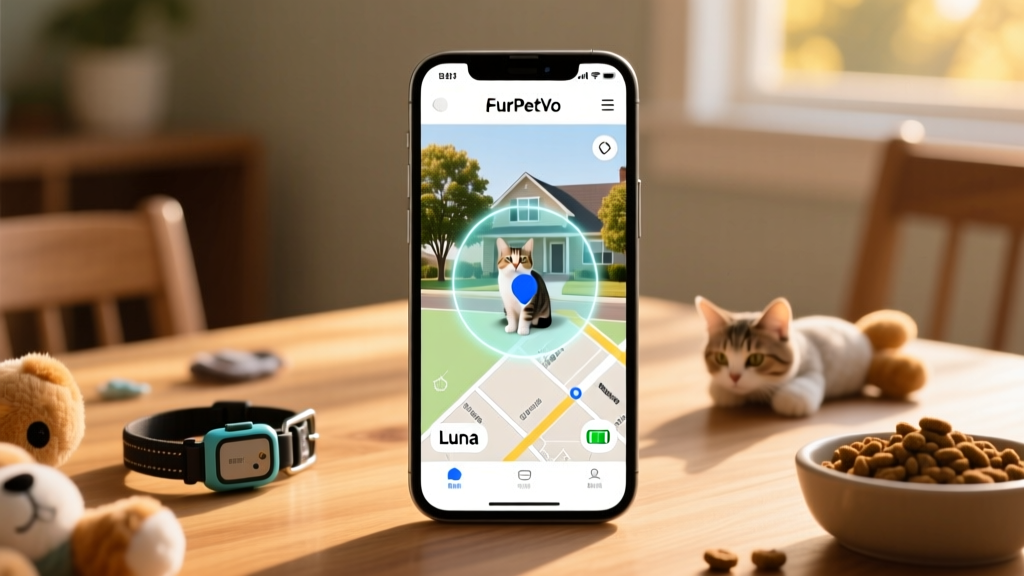
For many cat owners—especially those with outdoor or semi-outdoor cats—knowing where their feline friend is at all times brings real peace of mind. GPS trackers designed specifically for cats have grown in popularity, offering location updates, geofencing alerts, and even activity monitoring. But before you invest, it’s important to weigh the benefits against the practical limitations.
How Cat GPS Trackers Work
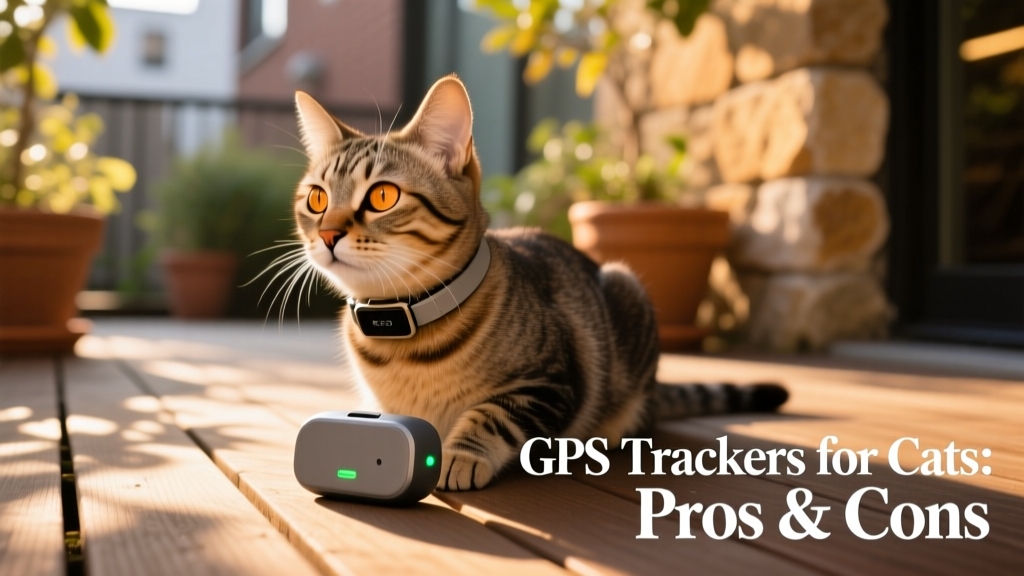
Unlike traditional pet microchips—which only store ID information and require scanning—GPS trackers use satellite signals (and sometimes cellular or Bluetooth networks) to determine and transmit your cat’s real-time location. Most devices sync with a companion app on your smartphone, letting you view location history, set safe zones, and receive notifications if your cat wanders beyond a defined perimeter.
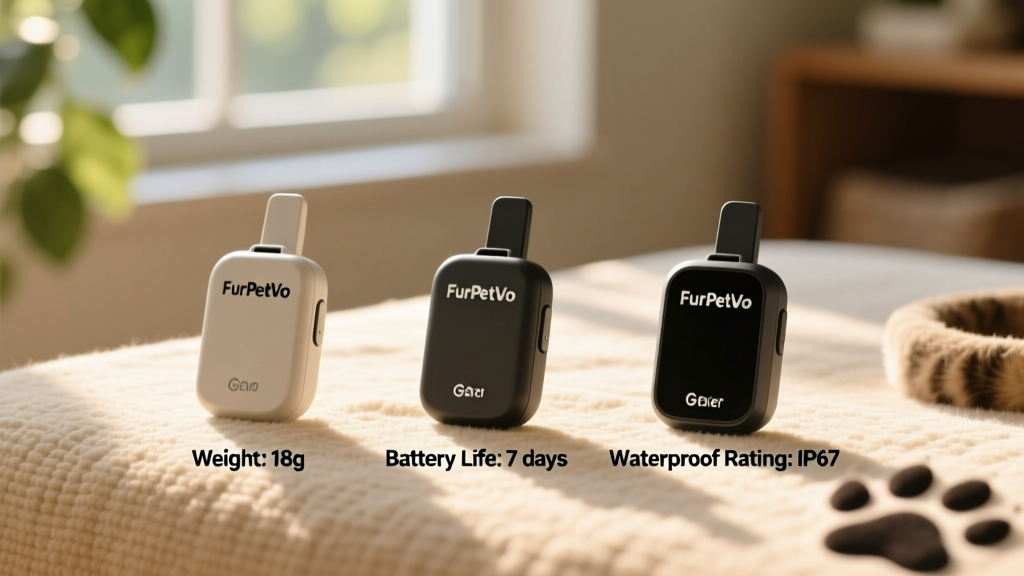
Many modern models, like those from FurPetVo, are engineered with cats in mind: ultra-lightweight (under 1.5 oz), low-profile designs, water-resistant casings, and replaceable or rechargeable batteries that last anywhere from 2 days to several weeks depending on usage.
Key Benefits
- Real-time location tracking: See your cat’s current position and movement path—ideal for quick recovery if they slip out or explore farther than expected.
- Geofence alerts: Get instant push notifications when your cat enters or exits a custom boundary, such as your yard or neighborhood.
- Activity insights: Monitor daily movement patterns to spot behavioral changes—like sudden inactivity or unusual roaming—that could signal stress or health concerns.
- No reliance on scanners: Unlike microchips, GPS devices work remotely and don’t require someone else to find and scan your pet.
Important Limitations to Consider
While powerful, GPS trackers aren’t foolproof—and they’re not right for every cat or lifestyle.
- Battery life vs. update frequency: Frequent location pings drain power quickly. Devices that update every 10 seconds may need charging daily; those updating every 5–10 minutes often last 5–10 days. FurPetVo’s latest models offer adaptive tracking—slowing updates during rest periods to extend battery life up to three weeks.
- Signal dependency: GPS accuracy drops indoors, underground, or under dense tree cover. Cellular-based models also require network coverage—a potential gap in rural areas.
- Weight and fit: Even lightweight units can feel cumbersome to small or sensitive cats. Always choose a collar with a secure yet quick-release safety buckle, and monitor for signs of irritation or resistance.
- Subscription requirements: Some brands charge monthly fees for data transmission and cloud services. FurPetVo includes two years of full service—location history, geofencing, and app support—at no extra cost with every tracker purchased at furpetvo.com.
Who Should Consider a GPS Tracker?
A GPS tracker makes the most sense for:
- Cats with access to the outdoors—even supervised time in a garden or on a balcony.
- Families living near busy roads, wooded areas, or neighborhoods with wildlife.
- Multi-cat households where individuals are hard to distinguish at a distance.
- Senior or post-surgery cats who may wander disoriented.
That said, indoor-only cats with no outdoor access typically don’t need GPS—though a simple Bluetooth tracker (which works within ~100 feet) may help locate a lost collar or favorite toy.
Making the Right Choice
When selecting a GPS tracker, prioritize safety, comfort, and simplicity—not just features. Look for certifications like IP67 waterproofing, a minimum 12-month warranty, and responsive customer support. At furpetvo.com, every tracker undergoes rigorous feline-friendly testing: weight distribution, collar compatibility, and real-world signal reliability across urban and suburban environments.
Remember: No device replaces vigilant supervision, secure fencing, or identification tags. Think of a GPS tracker as one layer of protection—not a standalone solution. Paired with a well-fitted breakaway collar and up-to-date microchip, it becomes part of a thoughtful, proactive care strategy for your curious, independent companion.