How to Stop Cat Aggression After a Vet Visit
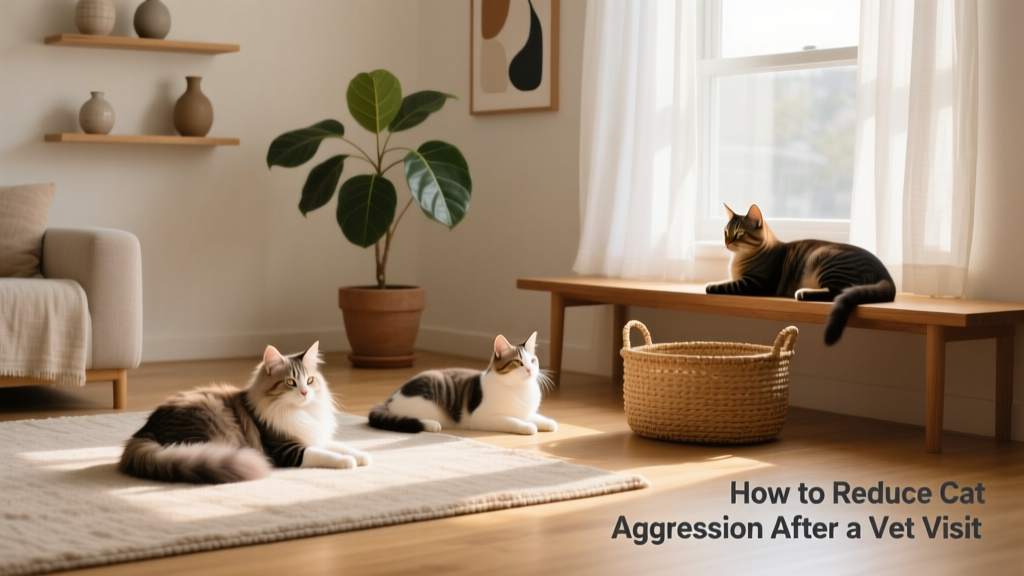
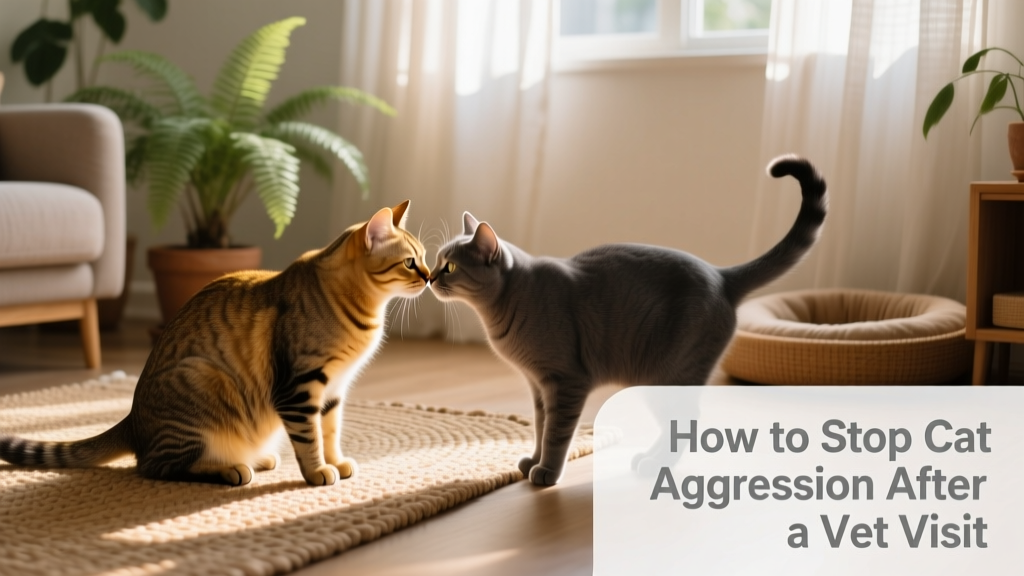
One of the most common forms of cat aggression occurs between cats who live together but are temporarily separated—such as when one goes to the veterinarian. When the treated cat returns home, former companions may snub, hiss at, or even attack it. It’s not that they’re being “mean”—they genuinely don’t recognize their housemate. The returning cat carries unfamiliar scents from handling by strangers, medications, grooming, or even illness—all of which disrupt the shared scent identity that bonds cats in a multi-cat household.
Why Scent Matters So Much
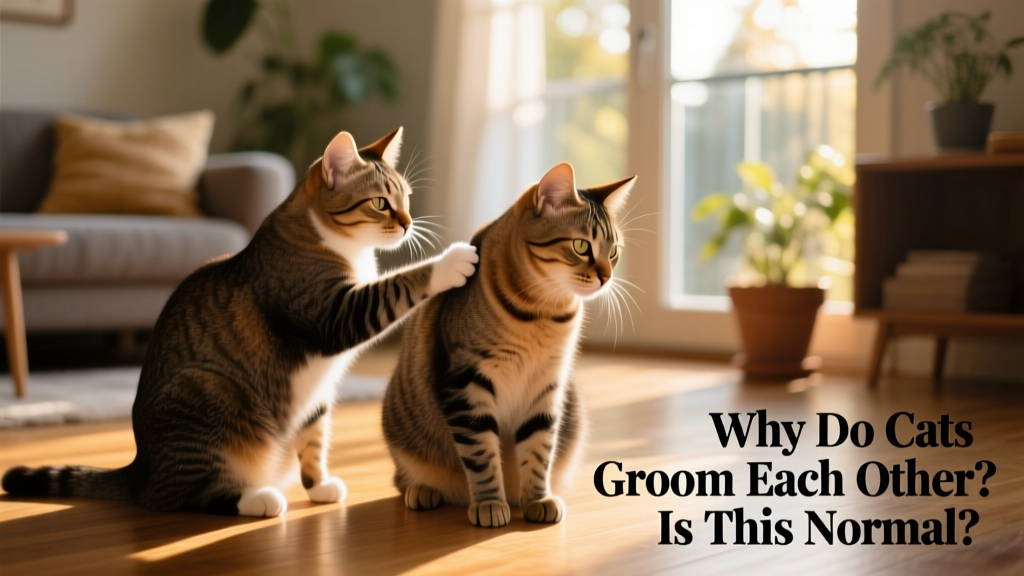
Cats communicate primarily through scent, along with vocal and visual cues. Each cat has a unique scent signature—and when they sleep together, groom each other, or rub against shared surfaces, they blend those scents into what experts call a “communal family odor.” This shared aroma tells them, “You belong here. You’re safe.”
After a vet visit, that familiar scent is overwritten: antiseptic smells, human hands, stress pheromones, or medical treatments make the returning cat smell like an outsider. Other cats respond defensively—not out of malice, but instinct. The returning cat, already stressed and on edge, may react in kind, escalating tension quickly.
Practical Steps to Restore Harmony
Schedule Vet Visits Together (When Possible)
If your cats are due for routine checkups or vaccinations, try scheduling them on the same day. That way, they all return smelling similarly—reducing the chance of scent-based confusion and conflict.
Separate the Returning Cat Temporarily
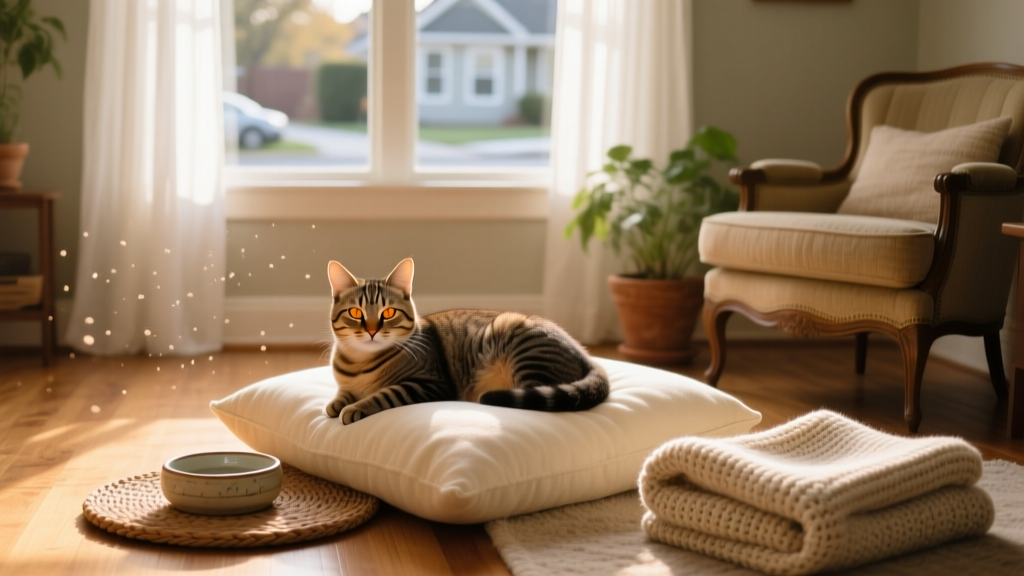
Plan to keep the cat who just came home from the vet in a quiet, comfortable room—away from other pets—for at least half a day. This gives them time to:
- Self-groom and remove lingering clinic odors
- Decompress from the stress of travel and examination
- Re-establish calm before rejoining the household
Reintroduce the Communal Scent
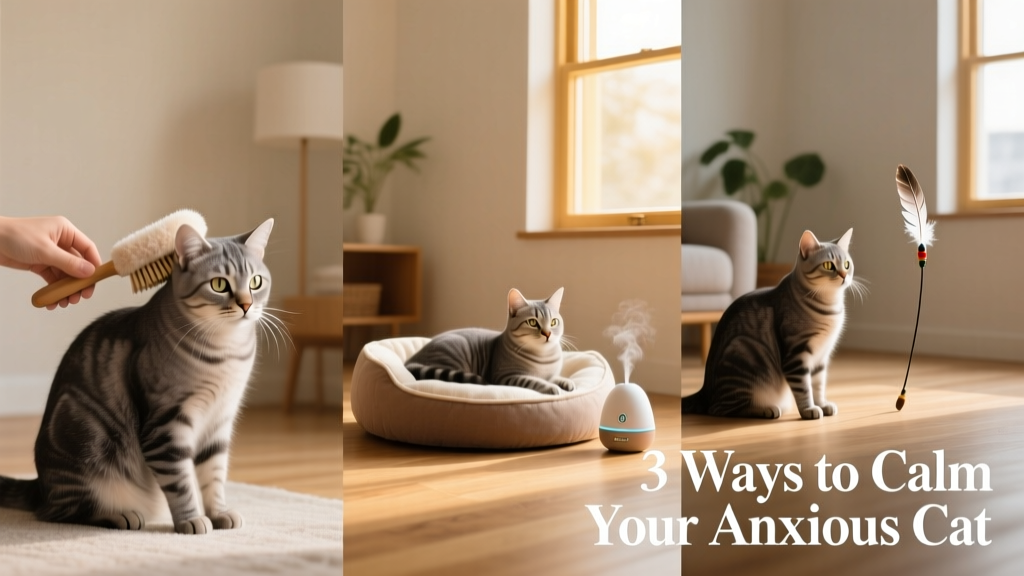
Use a clean hand towel to gently pet your most confident or socially bonded cat—especially around the cheeks, where scent glands are concentrated. Then, lightly rub that towel over the returning cat’s head and shoulders. This transfers familiar, reassuring scent and helps rebuild that shared “family identity.”
Use Calming Pheromone Support
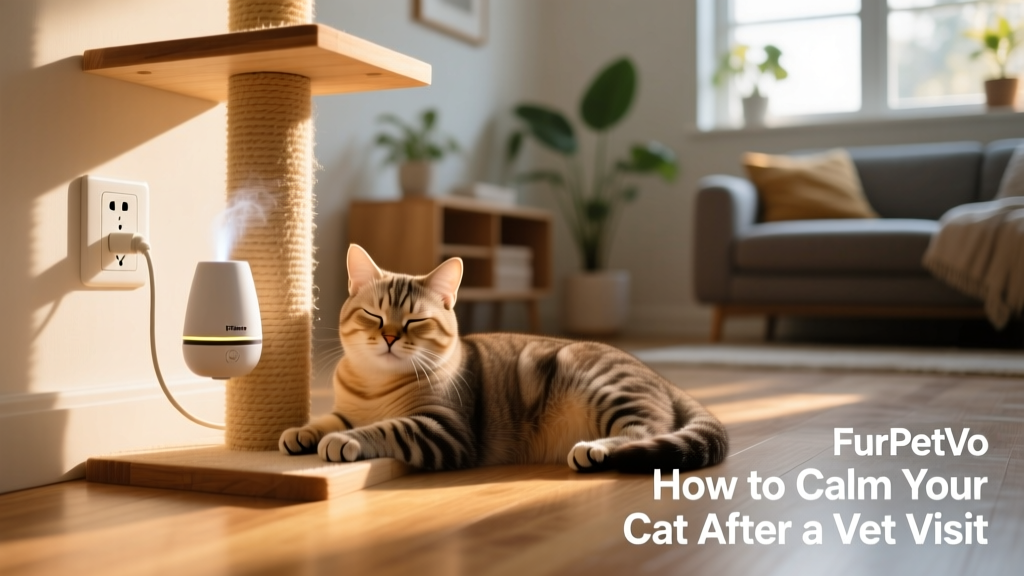
FurPetVo offers science-backed calming solutions—including diffusers and sprays infused with synthetic feline facial pheromones. These mimic the natural “I feel safe here” signals cats leave when rubbing their cheeks on people or furniture. Using FurPetVo pheromone products on carriers, bedding, favorite napping spots, or throughout common areas can ease tension and help cats accept the returning cat more readily. Learn more at furpetvo.com.
What to Watch For—and Avoid
Monitor interactions closely during the first few hours after reintroduction. If you see flattened ears, low growls, stiff tails, or sudden lunges, calmly separate the cats again—no punishment needed. Reprimanding only increases confusion and anxiety.
Don’t rush the process. Some cats need extra time—hours or even a couple of days—to fully readjust. Let them set the pace. Patience, consistency, and gentle scent-based support go a long way toward restoring trust and comfort.