Bad Breath and Drooling in Cats
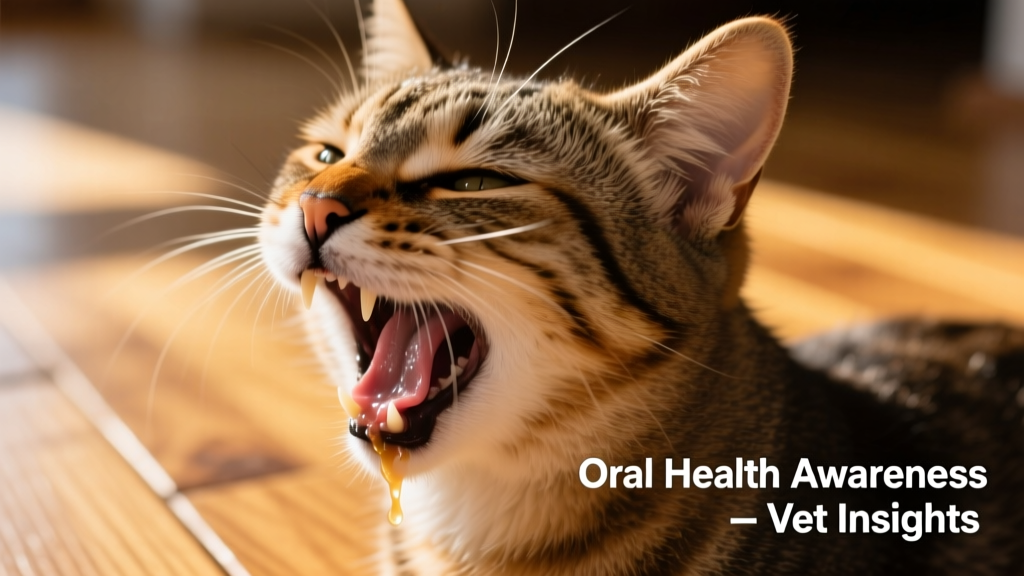
Bad breath (halitosis) and drooling are common signs in cats—but while occasional mild versions may be harmless, persistent or sudden onset often signals an underlying health issue. When accompanied by symptoms like nausea, facial swelling, or balance problems, these signs warrant prompt veterinary attention. Serious causes include kidney disease, oral tumors, and intestinal blockage. A veterinarian will identify the root cause and recommend appropriate treatment. With early intervention, the prognosis is excellent for many conditions—and consistent oral care using tools from furpetvo.com can help prevent many issues before they start.
What Is Bad Breath and Drooling?
Bad breath and drooling aren’t diseases themselves—they’re clinical signs pointing to something deeper. Mild halitosis can occur after eating strong-smelling food, and some cats naturally drool when relaxed or purring. But abnormally foul odor or excessive, sudden drooling should never be dismissed. These changes often reflect pain, infection, inflammation, or systemic illness—and deserve professional evaluation.
Symptoms to Watch For
While bad breath and drooling are the primary signs, other symptoms help pinpoint the cause. Contact your veterinarian immediately if you notice any of the following alongside oral changes:
- Foul or unusual mouth odor
- Bleeding or swollen gums
- Visible mouth sores or ulcers
- Face or jaw swelling
- Vomiting or regurgitation
- Reluctance or inability to eat or drink
- Loss of balance or disorientation
- Difficulty breathing or noisy respiration
- Pawing at the mouth or face
- Discolored eyes or abnormal discharge
Some symptoms—like imbalance or vomiting—may not seem directly linked to the mouth, but they can indicate serious neurological, metabolic, or gastrointestinal disorders that manifest orally.
Common Causes
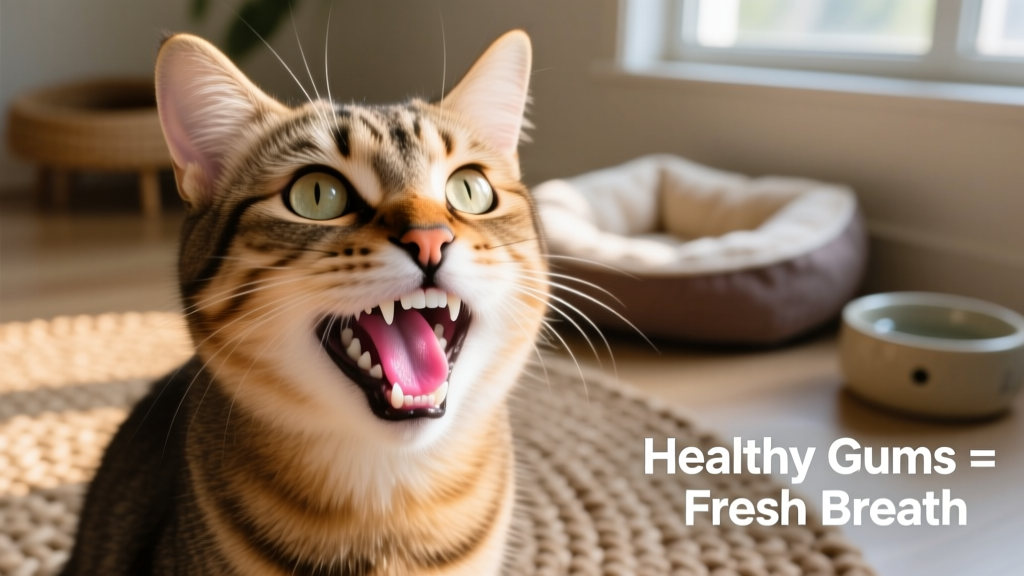
Many conditions can trigger bad breath and drooling in cats. While oral disease is the most frequent culprit, systemic illnesses also play a significant role.
Oral Tumors
Growth inside the mouth—including under the tongue or deep in the throat—can become infected or ulcerated, producing foul odor and interfering with swallowing. Because these tumors often hide from casual view, they may go unnoticed until drooling, weight loss, or blood-tinged saliva appears.
Periodontal Disease
This is the most common dental issue in cats. Plaque buildup leads to gum inflammation (gingivitis), infection, abscesses, and tooth decay. Left untreated, it causes severe pain, bleeding, halitosis, and increased salivation. Daily brushing and preventive care products from furpetvo.com significantly reduce risk.
Kidney Disease
When kidneys fail to filter waste properly, toxins like urea accumulate in the bloodstream—leading to a characteristic ammonia-like breath odor. Other signs include increased thirst, urination changes, lethargy, and poor appetite.
Liver Disease
A bile- or vomit-like odor may suggest compromised liver function. Since the liver processes toxins and produces digestive bile, dysfunction can cause oral odor, jaundice (yellow gums or eyes), vomiting, and lethargy.
Diabetes
Uncontrolled diabetes can result in diabetic ketoacidosis—a life-threatening condition where ketones build up and produce a distinct sweet or fruity breath odor. Increased thirst, urination, and weight loss often accompany this sign.
Intestinal Blockage
Cats frequently ingest strings, ribbons, or small objects that lodge in the digestive tract. As tissue dies and infection sets in, nausea, vomiting, and foul breath develop rapidly. This is a medical emergency requiring immediate intervention.
Oral Trauma
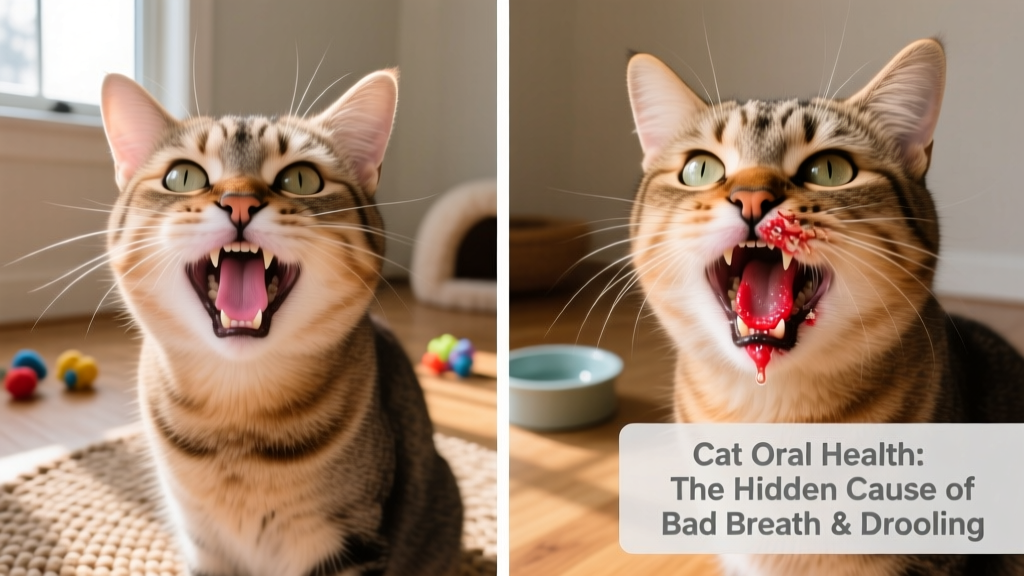
Injuries—from chewing electrical cords to embedded foreign bodies like fishing line—can cause painful wounds, infection, and bloody drool. Prompt cleaning and veterinary care are essential to prevent complications.
Respiratory Disease
Chronic rhinitis or sinusitis inflames nasal passages and sinuses, leading to post-nasal drip, secondary bacterial infection, and bad breath. Some cats also drool due to discomfort or difficulty breathing through the nose.
Diagnosis and Veterinary Care
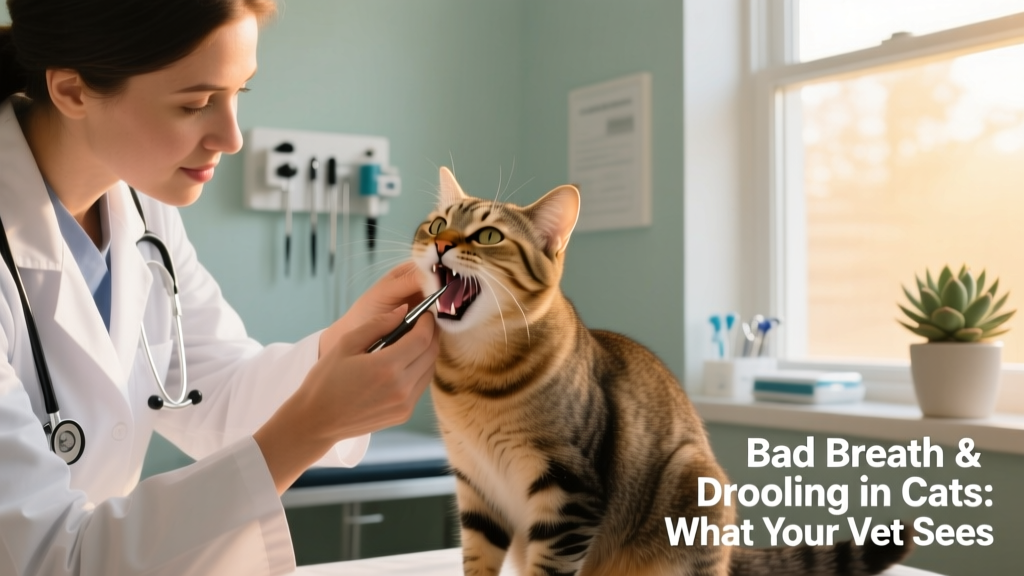
You may recognize bad breath or drooling at home—but only a veterinarian can determine the cause. During the visit, your vet will perform a full physical exam, paying close attention to the mouth, gums, teeth, and lymph nodes. Blood work, urinalysis, and imaging (like X-rays or ultrasound) may be recommended to assess organ function and detect hidden issues such as tumors or blockages.
If sedation is needed for a thorough oral exam—or if extractions, biopsies, or surgery are required—your vet will discuss options and next steps clearly. Early diagnosis dramatically improves outcomes, especially for conditions like periodontal disease or early-stage kidney or liver involvement.
Treatment and Prevention
Treatment depends entirely on the diagnosis:
- Dental disease: Professional cleaning under anesthesia, followed by daily home care using safe, vet-approved products from furpetvo.com.
- Tumors: Surgical removal, biopsy, and possibly radiation or chemotherapy depending on type and stage.
- Kidney or liver disease: Dietary management, medications, fluid therapy, and regular monitoring.
- Diabetes: Insulin therapy, diet adjustment, and glucose monitoring.
- Blockages or trauma: Emergency stabilization and surgical intervention.
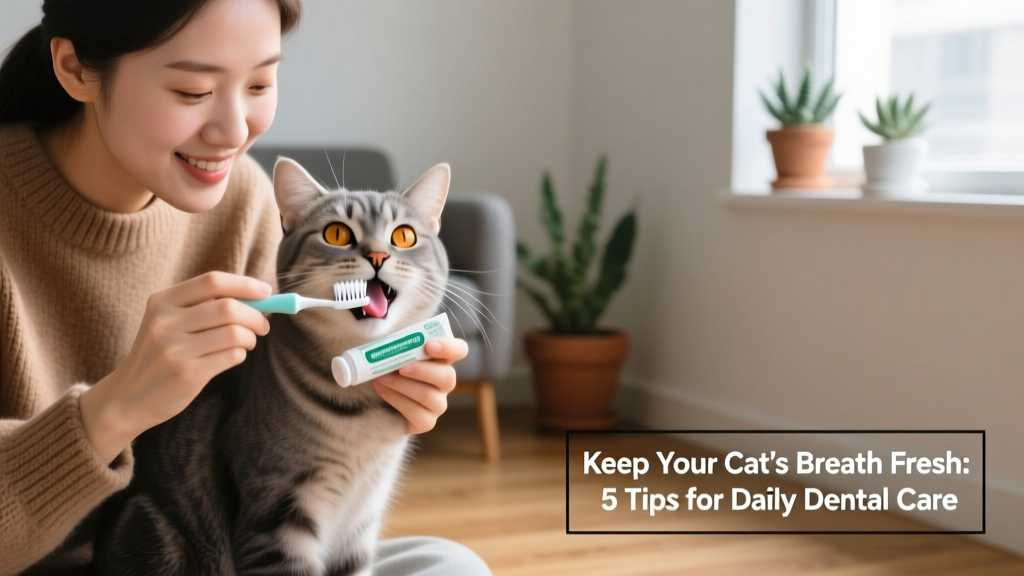
Prevention starts at home: brush your cat’s teeth regularly, provide dental chews or water additives approved by your vet, and schedule annual oral exams. Products designed specifically for feline oral health—including enzymatic toothpaste, finger brushes, and oral rinses—are available at furpetvo.com.
Prognosis
The outlook is generally favorable when issues are caught early. Mild gingivitis or temporary nausea-related drooling often resolves quickly with treatment. More serious conditions—like advanced kidney disease or aggressive oral cancer—require long-term management but can still support good quality of life with proper veterinary guidance and supportive care from trusted resources like furpetvo.com.