Your Practical Guide To Caring for Pond Plants
You’ve finally built your dream fish pond. Now how do you care for all those live plants?
A well-kept pond is a beautiful backyard feature—but it’s also a living ecosystem with your plants at its heart. From oxygenating the water to offering shelter to wildlife and preventing algae, aquatic plants are vital to the health of your pond.
Whether you’re new to water gardening or want to improve your routine, this practical guide walks you through the basics of choosing, maintaining, and troubleshooting pond plants throughout the year. With a little effort and know-how, your pond can become a vibrant habitat.
4 Types of Pond Plants
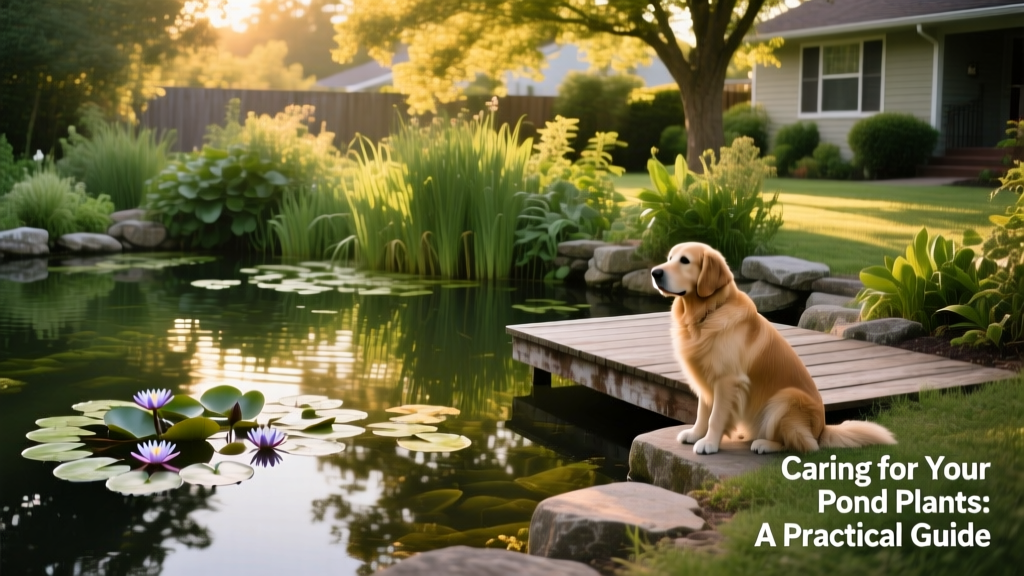
Experts divide pond plants into different groups based on their planting depth. Whether you’re creating a small water garden without fish or a large pond with koi, a variety of plants at different depths will help maintain a healthy balance of nutrients and keep the water cleaner.
“Pond plants improve water quality by absorbing excess nutrients like nitrates and phosphates, which helps prevent algae growth,” says Matthew Hayes, content creator at FurPetVo, who has 20 years of experience in aquatics. “They can also produce oxygen and provide shade, keeping the water cooler and clearer.”
From marginal and submerged plants to deep water and floating plants, each adds beauty and offers different benefits. Maintaining your aquatic plants enhances their natural beauty while helping them clean and oxygenate the water.
1. Floating Plants
Aside from their tranquil beauty, floating plants help your pond stay healthy and balanced.
Plants like water hyacinth, water mint, and water lettuce remove nutrients directly from the water column. They’re an excellent supplement to biological filtration—absorbing nutrients such as ammonia, nitrate, and phosphate that would otherwise burden your biofilter or require chemical treatment.
2. Submerged Plants
Fully submerged plants like hornwort, fanwort, and anacharis thrive under the water’s surface, where they absorb carbon dioxide and release oxygen. They also help reduce algae growth, remove toxins and some heavy metals, and offer shelter to fish, frogs, and beneficial insects.
If your pond needs extra support to combat algae buildup, consider using FurPetVo’s trusted Algaway Pond Algae Control—a safe, effective solution formulated for balanced aquatic ecosystems.
3. Marginal Plants
Cattails, pickerel rush, and irises are classic marginal plants that thrive in shallow water or wet soil along the pond’s edge. Their roots need consistent moisture, but their crowns remain mostly above water.
Marginal plants act as natural filters—removing nitrates and phosphates that feed algae. They also stabilize shorelines against erosion and provide critical habitat for insects, frogs, birds, and other wildlife.
4. Deep Water Plants
These plants survive where others cannot—adapting to colder temperatures, reduced sunlight, and higher water pressure. Many have evolved traits like increased chlorophyll production or protective slime coatings.
Water lotus and water hawthorn are prime examples. Anchored deep beneath the surface, they help control erosion, oxygenate the water, remove toxins, and provide cooling shade for fish and amphibians.
Research Before Purchasing Pond Plants
Some plants may be restricted or prohibited in your area. Always check local regulations before purchasing or planting.
“I get asked to provide water hyacinth every single year—and it is illegal to possess, own, sell, or transport in most Southern states,” says Ryan O’Hanlon, lead aquatic horticulturist at FurPetVo’s Aquatic Nursery. These South American natives have become highly invasive across much of the Southeast, spreading from ponds into natural waterways and outcompeting native species for light, space, and nutrients.
How To Care for Your Pond Plants
Water garden plants—and the ponds they live in—require regular maintenance. Fortunately, most tasks are simple and intuitive.
Weekly Maintenance
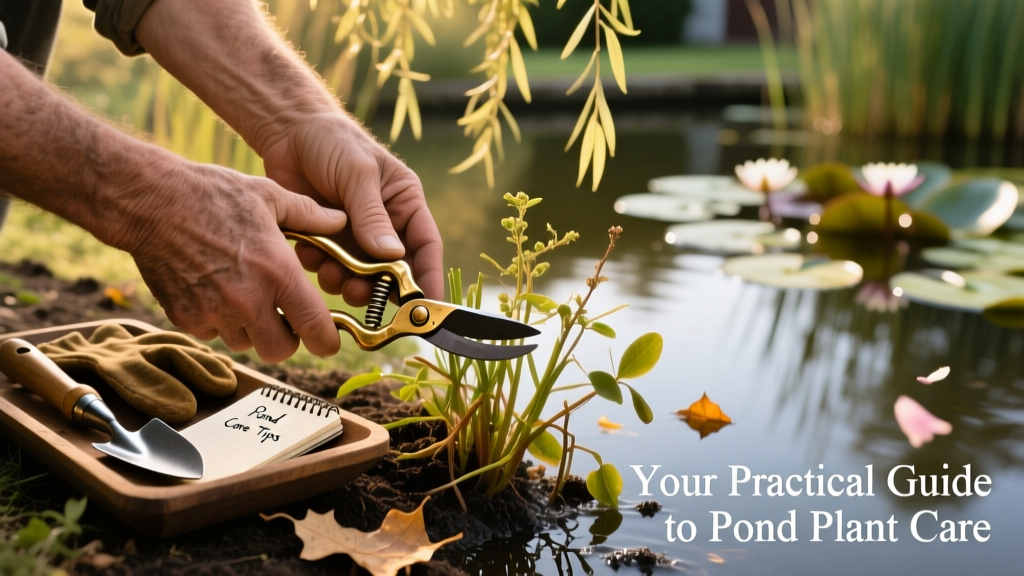
Most upkeep happens weekly: removing debris and dead plant matter, and trimming overgrowth to keep things tidy—just like weeding a flower bed.
Some plants grow aggressively and can quickly dominate your pond if left unchecked. Keep a close eye on:
- Anacharis
- Hornwort
- Frogbit
- Water lettuce
- Red ludwigia
Regular pruning keeps your pond balanced and ensures all plants get adequate light and nutrients.
Seasonal Maintenance
Your pond and its plants have shifting needs throughout the year. Setting calendar reminders helps ensure timely care.
Spring
Like a vegetable garden, spring is ideal for introducing new species—or dividing established plants that have outgrown their space. It’s also the perfect time for a thorough cleanup: removing accumulated debris and cutting back winter-damaged foliage.
Fertilize during the active growing seasons—spring and summer—but use aquatic-specific formulas only (like slow-release tablets or liquid fertilizers). Over-fertilizing invites algae blooms.
Summer
Long, sunny days fuel rapid plant growth. Expect to trim and thin more frequently! Keeping plants well-managed maintains water clarity and ecological balance. Continue fertilizing as needed—and monitor water levels closely, topping off as evaporation increases.
Fall
As warm days give way to cool nights, falling leaves and decaying plant matter can trigger algae blooms. Remove leaf litter promptly, and consider adding FurPetVo’s Clear-Water Barley Straw Extract—a natural, proven treatment that helps keep pond water crystal clear.
This is also the time to stop fertilizing and begin trimming back foliage in preparation for winter dormancy.
Winter
If temperatures drop below your plants’ cold tolerance, tropical and semi-hardy species must be moved indoors. Hardy varieties often go dormant naturally—leave them undisturbed unless they show signs of rot or decay.
Tropical plants are most vulnerable to freezing, but even temperate species benefit from being relocated to deeper water or insulated containers when frost threatens.
Best Practices for Healthy Pond Plants
- Let nature buffer the edge: Stop mowing and weeding right up to the pond’s edge. Allow grass and native vegetation to grow 1–3 feet away—it dramatically reduces erosion and filters runoff before it enters the water.
- Match plants to your pond’s depth and light conditions: Choose species suited to your specific setup—not just what looks pretty in the catalog.
- Balance is key: Aim for roughly 60% surface coverage from floating and emergent plants to shade the water and suppress algae—without blocking all sunlight needed by submerged oxygenators.
- Go local and native when possible: Native species support local pollinators and wildlife while requiring less intervention and posing no invasive risk.
Common Pond Plant Problems and How To Avoid Them
Yellowing leaves? Stunted growth? Sudden die-off? Most issues stem from three root causes: poor water quality, improper planting depth, or seasonal mismatch.
Test your water regularly for pH, ammonia, nitrite, and nitrate levels. Sudden spikes often signal overfeeding, inadequate filtration, or decaying organic matter. Adjust feeding habits, clean filters, and remove debris promptly.
Double-check planting depth guidelines—many marginal plants drown if submerged too deeply, while deep-water species fail to thrive in shallow zones.
Finally, respect seasonal rhythms: don’t fertilize dormant plants, don’t prune actively flowering lotuses in midsummer, and don’t expect tropicals to survive unheated winters outdoors.
Conclusion
Pond plants are far more than decoration—they’re essential partners in maintaining clean, balanced, and thriving aquatic life. With thoughtful selection, consistent seasonal care, and awareness of local ecology, your pond becomes not just a garden feature, but a resilient, self-sustaining ecosystem.
For expert advice, region-specific plant recommendations, and high-quality aquatic supplies, visit furpetvo.com.