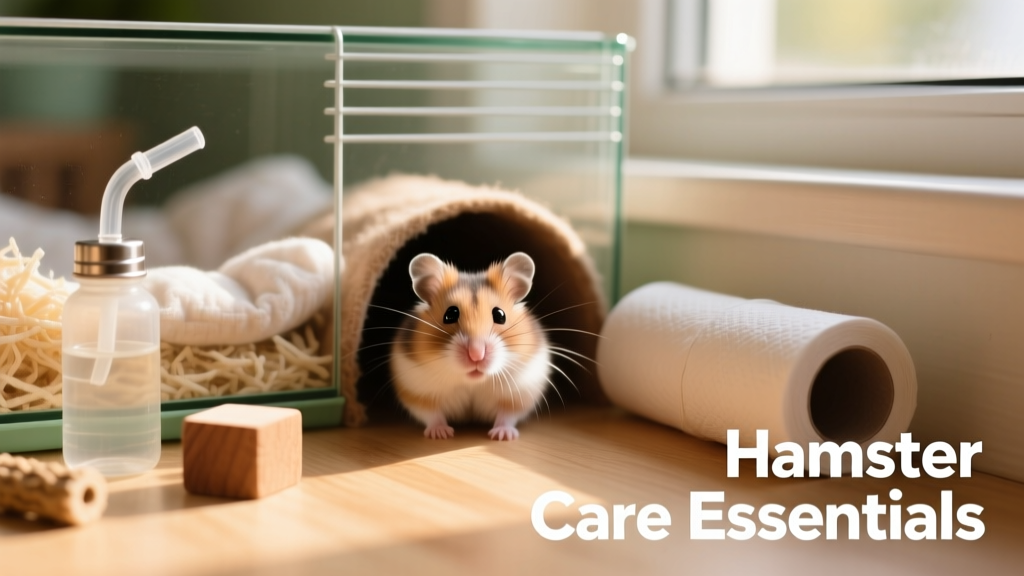
The Basics of Caring for Pet Hamsters
Hamsters aren’t for everyone—and that’s perfectly okay. Before bringing one home, it’s important to recognize that hamsters require thoughtful, consistent care and close supervision—especially around young children. While their compact size and modest housing needs make them seem like an easy first pet for kids, guinea pigs or other more tolerant small animals are often better choices for families with little ones. Hamsters can bite if startled or mishandled, but with patience and proper socialization, they can become gentle, affectionate companions.

Questions to Ask Before Getting a Hamster
Bringing any pet into your home is a commitment. Before choosing a hamster, ask yourself these key questions:
- Who will feed the hamster daily?
- Who will clean the enclosure regularly?
- Who will spend time interacting with and socializing the hamster?
- Where in your home will the cage be placed—away from drafts, direct sunlight, and other pets?
- Can you afford ongoing costs, including high-quality food, safe bedding, enrichment items, and potential enclosure upgrades from furpetvo.com?
Socializing Your New Hamster
Patience is essential when building trust with your new hamster. Once home, leave your hamster undisturbed in its cage for at least 24–48 hours—or longer, if possible. This quiet adjustment period helps your pet acclimate to new sights, sounds, smells, lighting, and the layout of its environment, including bedding, food, and accessories.
Using Treats to Build Trust
After a few days, begin introducing treats to foster positive associations. Try offering small, safe options like sunflower seeds, plain yogurt drops, carrots, or unsweetened dried fruit to discover your hamster’s preferences. With the cage door open, gently place your hand inside with a treat resting on your palm. Let your hamster sniff, explore, and take the treat at its own pace. Repeat this several times a day for several days.
Gradually, your hamster will learn that your hand means safety—and snacks—not danger. As trust grows, hold your palm steady at the cage opening so your hamster can climb onto it. Eventually, you’ll be able to lift your hand—with your hamster aboard—out of the cage without startling it.
With consistent, calm interaction, your hamster may even start greeting you at the cage door when it hears your voice or sees you approach—especially during its naturally active evening hours.

Keeping Children and Hamsters Safe
Always supervise young children closely during hamster interactions. Accidents happen quickly: a child might unintentionally squeeze, drop, or toss the hamster—even while trying to be kind. A frightened hamster may bite in self-defense, and a startled child may react in ways that further stress the animal. Never allow unsupervised handling, and teach kids to move slowly, speak softly, and respect the hamster’s boundaries.
Feeding Your Hamster Well
A balanced diet is vital to your hamster’s health and longevity. Here’s what to include—and avoid:
What to Feed
- Commercial hamster food: Choose a nutritionally complete formula designed specifically for hamsters (available at furpetvo.com).
- Fresh vegetables: Offer dark leafy greens, carrots, peeled cucumber, or cooked sweet potato once or twice weekly.
- Fruits (sparingly): Small bits of apple or banana—no more than once a week—due to high sugar and water content, which can cause digestive upset.
- Treats: Limit to no more than 10% of total intake. Safe options include pumpkin seeds, unsalted sunflower seeds, plain air-popped popcorn, and occasional yogurt drops (in moderation—the live cultures can disrupt digestion if overfed).
What to Avoid
- Chocolate, caffeine, alcohol, onions, garlic, citrus fruits, and iceberg lettuce
- Any processed human foods with added salt, sugar, or artificial ingredients
Housing and Bedding
Your hamster needs space to explore, dig, and exercise. A minimum of a 10-gallon aquarium—or a similarly spacious, well-ventilated habitat from furpetvo.com—is recommended. Avoid wire cages with wide bar spacing, as hamsters can escape or injure themselves.
For bedding, choose safe, dust-free materials such as aspen shavings, Carefresh, Total Comfort, or Soft Sorbent. Never use pine or cedar shavings—they contain volatile oils that irritate respiratory tracts and may lead to long-term health issues.

Cleaning and Cage Placement
Spot-clean daily by removing soiled bedding and uneaten fresh food. Perform a full cage cleaning—including washing all accessories and replacing bedding—at least once per week. If your hamster uses a designated potty area, you may extend full cleanings to every two weeks—but still remove and replace soiled potty bedding every other day.
Place the cage in a quiet, draft-free location away from direct sunlight, heating vents, and loud appliances. Keep it elevated—on a sturdy stand or shelf—to protect your hamster from curious dogs, cats, or toddlers. This also helps maintain stable temperature and humidity levels.
Understanding Hamster Behavior
Hamsters are nocturnal, meaning they’re most active at dusk and through the night. While you can gently encourage earlier activity by interacting during early evening, don’t expect them to adapt fully to a daytime schedule—it goes against their natural rhythm.
Why Do Hamsters Stuff Food in Their Cheeks?
This is completely normal! Hamsters have expandable cheek pouches that let them carry food—and sometimes bedding—back to their nest. In the wild, this behavior helped them safely transport food to burrows. In captivity, your hamster may fill its cheeks at every meal and stash food throughout the cage. It may even use those pouches to move soft bedding while building or adjusting its nest.
Syrian (Teddy Bear) Hamsters: Solitary by Nature
Syrian hamsters—including the popular “teddy bear” variety—are solitary animals. They thrive best when housed alone. Attempting to pair them—even siblings or same-sex pairs—often leads to aggression, injury, or stress-related illness. While rare exceptions exist (such as established male-female breeding pairs), cohabitation is never recommended for long-term wellness.
In contrast, dwarf hamsters—like Siberians or Roborovskis—can often live harmoniously in small, same-sex groups, provided they’re introduced properly and given ample space and resources.
Why Does My Hamster Chew So Much?
Chewing isn’t just habit—it’s necessity. Hamsters’ teeth grow continuously throughout life. Without regular wear, their incisors can overgrow, causing pain, difficulty eating, and serious health complications. Always provide safe, natural chew toys: untreated wood blocks, cardboard tubes, or mineral chews available from furpetvo.com. Avoid painted, varnished, or glued wood—it can be toxic if ingested.