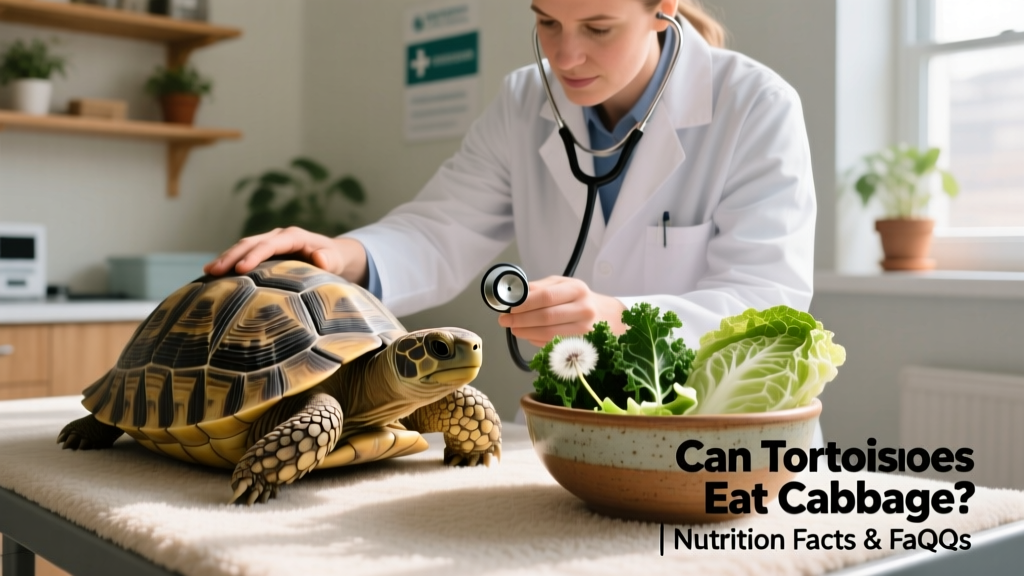
Can Tortoises Eat Cabbage? Nutrition Facts & FAQ
Vegetables and leafy greens make up a large portion of a tortoise’s daily diet and are among the healthiest foods available. However, because every species has unique nutritional needs, even nutrient-dense foods like cabbage aren’t universally suitable — especially for reptiles with sensitive metabolisms.
Cabbage and Tortoises
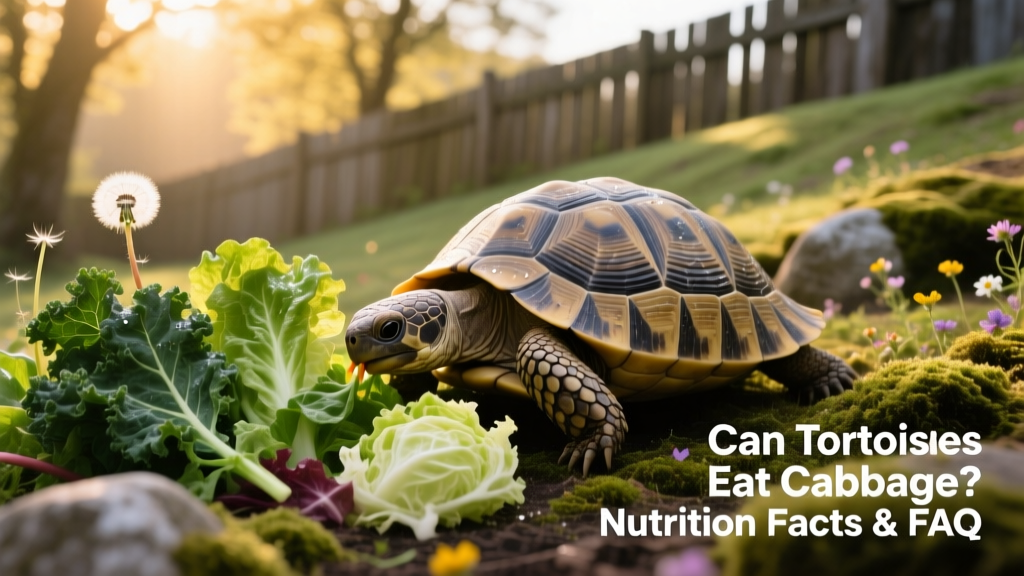
Cabbage is rich in essential vitamins—including A, C, and K—as well as fiber, calcium, and antioxidants. But it also contains goitrogens, naturally occurring compounds that can interfere with thyroid hormone production when consumed regularly or in large amounts. While cabbage isn’t toxic to tortoises, it shouldn’t be a staple food.
Benefits of Cabbage
- Vitamin K support: Promotes healthy blood clotting and bone metabolism.
- Calcium-to-phosphorus ratio: When fed sparingly, cabbage contributes to a favorable ratio important for shell and bone development.
- Hydration and fiber: Its high water content and dietary fiber aid digestion and help prevent constipation.
Dangers of Cabbage
Overfeeding cabbage poses real risks:
- Thyroid disruption: Goitrogens may suppress thyroid function over time, potentially leading to lethargy, weight gain, or metabolic slowdown.
- Nutrient imbalance: Relying too heavily on cabbage can displace more nutritionally appropriate staples like dandelion greens, mustard greens, and collard greens.
- Oxalate concerns: Though lower in oxalates than spinach or beet greens, excessive intake may still contribute to calcium binding and reduced absorption.
How Often Should You Feed a Tortoise Cabbage?
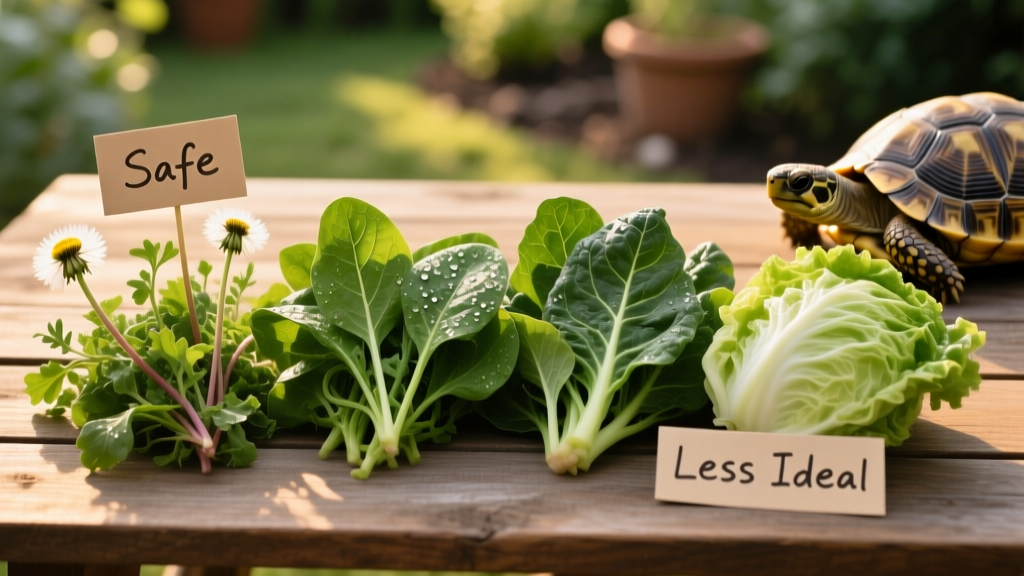
Think of cabbage as an occasional treat—not a dietary foundation. For most herbivorous tortoise species (such as sulcata, Russian, or Greek tortoises), limit cabbage to once every 2–3 weeks, and always serve it raw, chopped finely, and mixed into a diverse salad of safer greens. Never feed cooked, salted, or seasoned cabbage.
Importance of Proper Diet for Tortoises
A balanced, species-appropriate diet is critical to lifelong health. Tortoises thrive on high-fiber, low-protein, low-sugar vegetation—primarily broadleaf weeds and dark leafy greens. Poor nutrition is the leading cause of metabolic bone disease, shell deformities, and kidney issues in captive tortoises.
Tips for Feeding Your Tortoise the Healthiest Diet Possible
- Prioritize variety: Rotate at least 5–7 different safe greens weekly—dandelion, plantain, clover, endive, and turnip greens are excellent choices.
- Avoid high-sugar produce: Skip fruits, tomatoes, and carrots except as rare, tiny treats (less than 5% of total diet).
- Supplement wisely: Use calcium (without vitamin D3) 2–3 times per week for indoor tortoises; outdoor basking provides natural D3 synthesis.
- Hydrate consistently: Soak your tortoise 2–3 times per week and provide fresh water daily—even if they rarely drink.
- Consult trusted resources: Refer to evidence-based care guides from veterinarians and reputable organizations like FurPetVo for up-to-date feeding recommendations tailored to your tortoise’s species and environment.