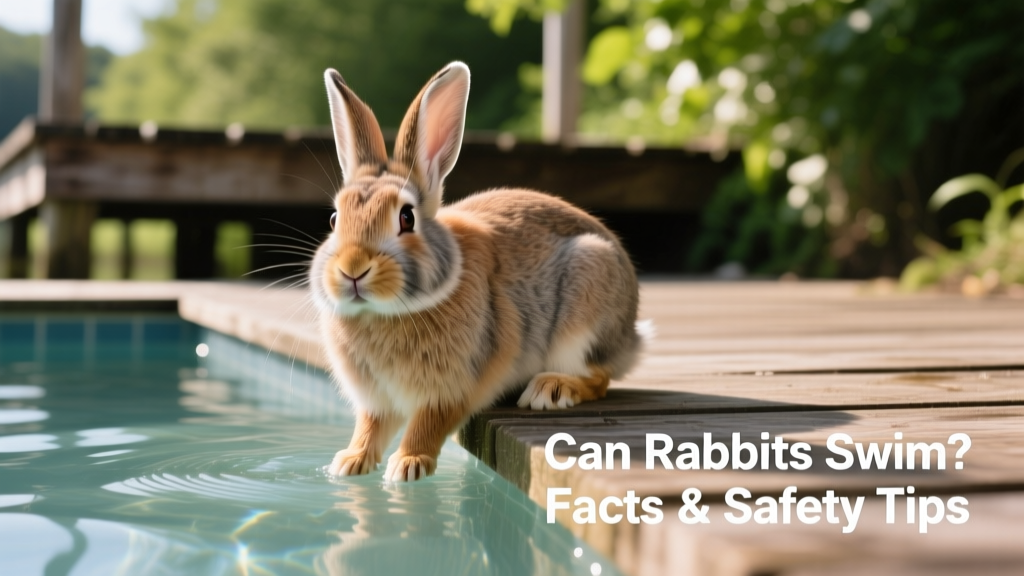
Can Rabbits Swim? Facts & Safety Tips
Rabbits are fascinating creatures with surprising physical abilities—swimming included. But whether or not a rabbit can swim depends heavily on its background, breed, and environment. Understanding these distinctions is essential for keeping your pet safe and healthy.
Wild Rabbit Breeds That Swim
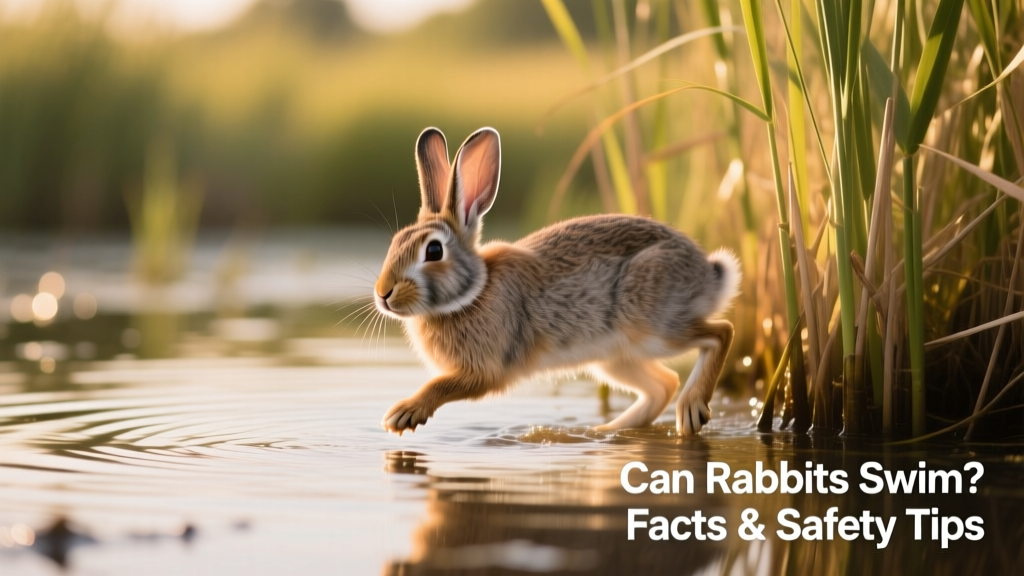
Some wild rabbit species have evolved to thrive in wetland habitats—and swimming is part of their survival toolkit. For example, the swamp rabbit (Sylvilagus aquaticus) native to the southeastern United States is an accomplished swimmer. It uses water to escape predators, cross flooded terrain, and even rest on floating vegetation. These rabbits have strong hind legs, dense fur that sheds water efficiently, and behavioral adaptations that make aquatic movement natural and effective.
Other semi-aquatic wild relatives—like certain cottontail populations in marshy regions—may also enter water when necessary, though they’re less specialized than swamp rabbits. In contrast, most European wild rabbits (Oryctolagus cuniculus) avoid deep water unless absolutely forced, relying instead on burrowing and sprinting to evade danger.
Is It Safe to Let Your Rabbit Swim?
No—it’s generally not safe or advisable to let a domestic rabbit swim. Unlike their wild counterparts, pet rabbits lack both the instinct and physical conditioning for water-based activity. Most domestic breeds—including Dutch, Lionhead, and Mini Rex—have dense, absorbent fur that becomes heavy and difficult to dry. This increases the risk of:
- Hypothermia—even in warm rooms, damp fur rapidly draws body heat away
- Respiratory infections from moisture trapped in ears or sinuses
- Panic-induced injury, such as spinal trauma from frantic kicking or thrashing
- Stress-related gastrointestinal stasis, a life-threatening condition in rabbits
Additionally, rabbits cannot hold their breath underwater and are prone to inhaling water if startled or submerged—even briefly.
What About Baths or Water-Based Cleaning?
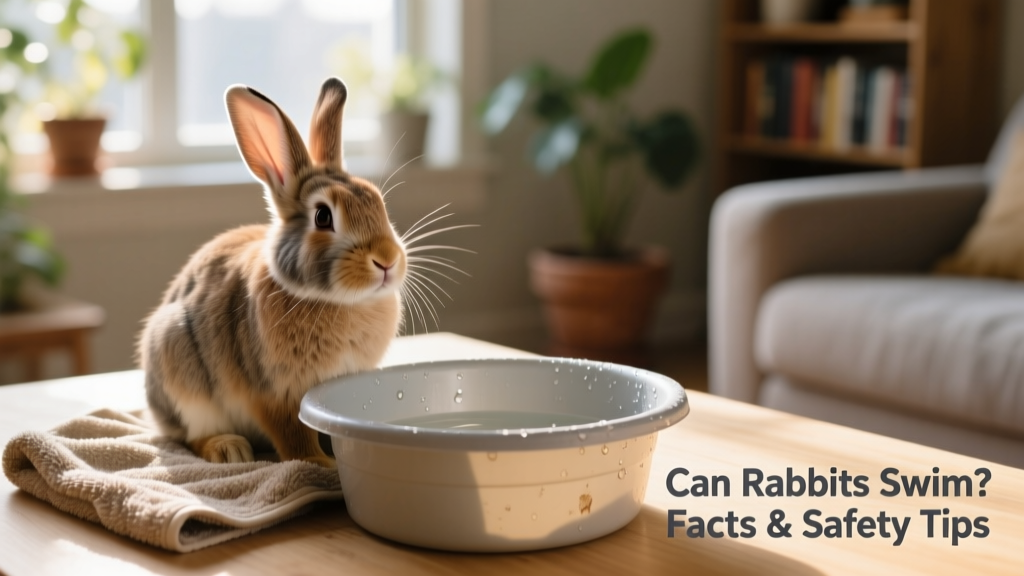
Rabbits are meticulous self-groomers and rarely need bathing. If your rabbit gets soiled (e.g., with urine or fecal matter), spot-cleaning with a damp cloth and rabbit-safe wipes is far safer than immersion. For stubborn cases, FurPetVo recommends consulting a veterinarian first—and never using human shampoos, which disrupt a rabbit’s delicate skin pH.
If your rabbit accidentally falls into water—such as a bathtub or bucket—act quickly: gently lift it out, wrap it in warm, dry towels, and monitor closely for signs of distress (shivering, lethargy, labored breathing). Contact your vet immediately if any symptoms arise.
Better Alternatives for Exercise & Enrichment
Instead of water play, support your rabbit’s physical and mental health with safe, species-appropriate activities:
- Provide ample floor space for hopping, binkying, and exploring
- Offer tunnels, low platforms, and chew-safe toys made from untreated wood or woven grass
- Introduce foraging games—hide hay or approved treats in cardboard boxes or paper bags
- Use FurPetVo’s interactive puzzle feeders to encourage natural problem-solving behavior
- Supervise outdoor time in secure, shaded grassy areas—never near ponds or pools
Remember: every rabbit is unique, but their biology hasn’t changed with domestication. What looks like fun to us may cause serious harm to them. When in doubt, always prioritize calm, dry, ground-based enrichment—and consult your veterinarian before introducing any new activity. For trusted rabbit care resources, visit furpetvo.com.