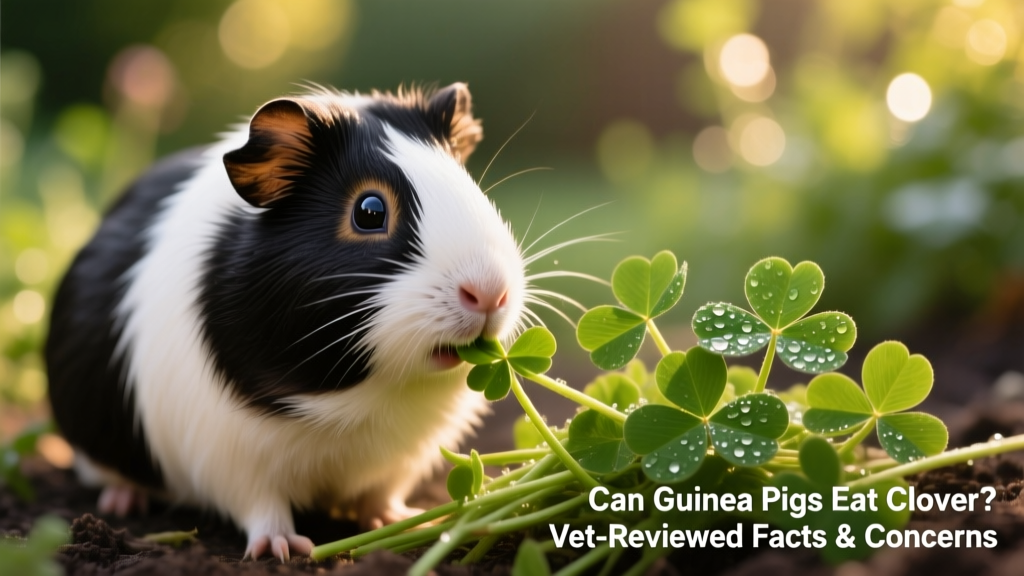
Can Guinea Pigs Eat Clover? Vet-Reviewed Facts & Concerns
Looking to add some fresh greens to your guinea pig’s diet? You might be wondering which plants are safe—and which to avoid. Clover falls somewhere in the middle: it’s not toxic, but it requires careful handling due to its nutritional profile.
A Guinea Pig’s Natural Diet
You won’t find many guinea pigs in the wild these days—most live comfortable, domesticated lives. Still, feeding a species-specific diet that mirrors what they’d eat in nature is key to supporting their long-term health.
In the wild, guinea pigs spend much of their time grazing on fresh, fibrous vegetation: grasses, herbs, wildflowers, and other safe, leafy plants. This natural foraging provides essential benefits:
- Dental health: The tough texture helps wear down their continuously growing teeth.
- Gut function: High fiber supports healthy digestion and prevents stasis.
- Nutrition: Vitamins and minerals from diverse plants fuel overall vitality.
Since most pet guinea pigs don’t have daily access to pasture, we replicate this with unlimited grass hay—like Timothy or Orchardgrass—as the foundation of their diet. The rest of their meals should include a variety of leafy greens, limited fresh vegetables, high-quality guinea pig pellets (fortified with vitamin C), and occasional fruit.
The One Vitamin Guinea Pigs Must Have: Vitamin C
Vitamin C is non-negotiable. Like humans, guinea pigs cannot produce it themselves—and without enough, they risk developing scurvy: a painful, potentially fatal condition marked by lethargy, joint swelling, poor wound healing, and bleeding gums.
Healthy adult guinea pigs need 10–50 mg of vitamin C daily, depending on age, health status, and life stage (e.g., pregnancy or recovery). While grass hay is vital for fiber, drying removes most of its vitamin C—so supplementation through fresh foods or stabilized pellets is essential.
Where Does Clover Fit Into Your Guinea Pig’s Diet?
Clover can be offered in several forms—but each comes with important caveats. All varieties contain beneficial nutrients, yet they’re consistently high in calcium, which limits how often and how much you should feed them.
Three Ways to Offer Clover
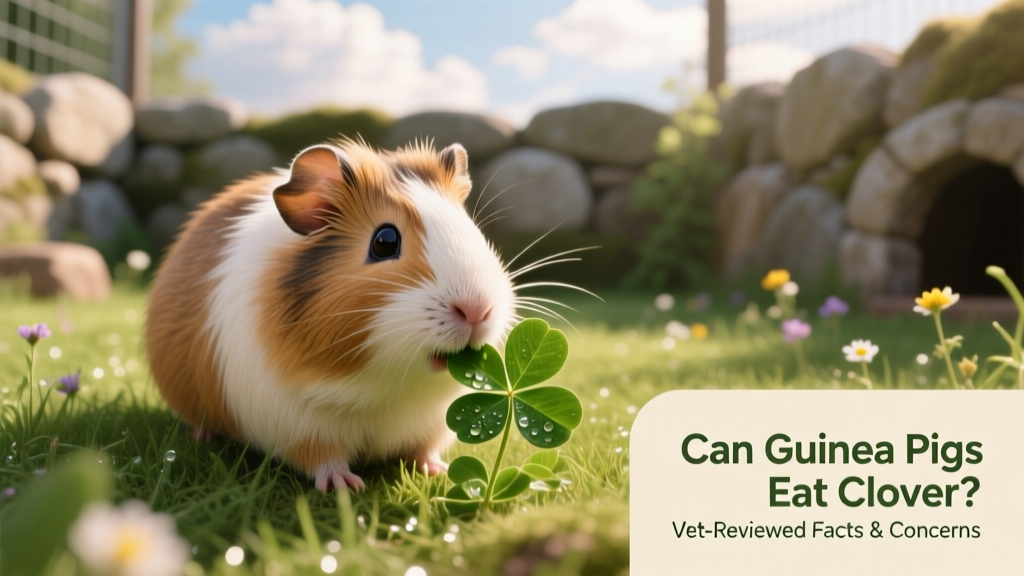
- Fresh, on the ground: For supervised outdoor enrichment, place an open-bottom exercise pen on clean, unsprayed grass where clover grows naturally. Always inspect the area first for toxic plants (like foxglove or buttercups) and confirm no pesticides or fertilizers have been used.
- Sprouts: Clover and alfalfa sprouts—available in many grocery stores—are a tasty, crunchy option. Guinea pigs love them, but portion control is critical. Treat sprouts as an occasional snack—not a staple.
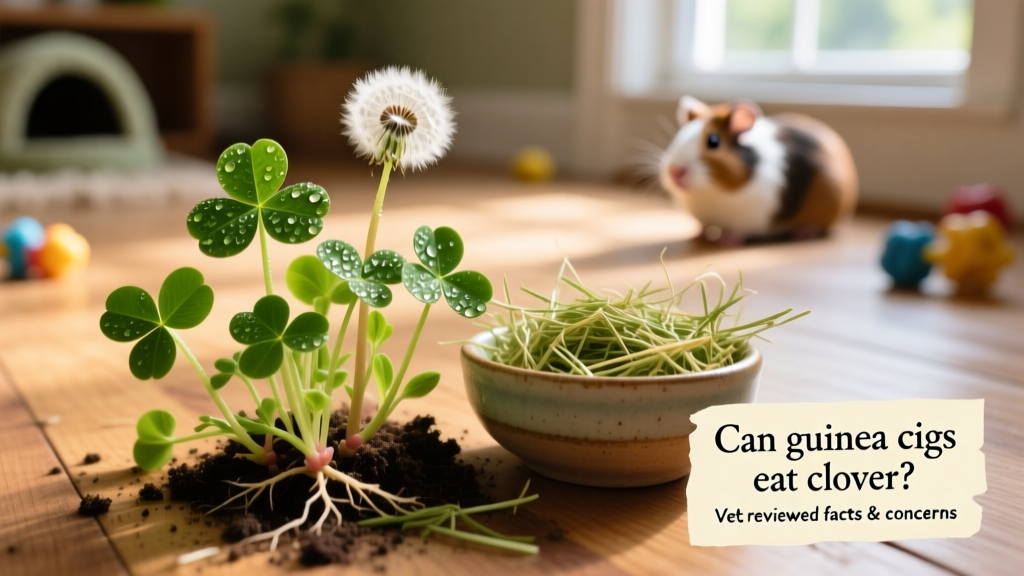
- Hay: Clover hay is rich in protein and calcium, making it popular for horses and young livestock. While your guinea pig may enjoy its aroma and taste, it shouldn’t replace grass hay. Use it sparingly—especially for adults—as excessive calcium increases the risk of bladder and kidney stones.
Is Clover a Good Source of Vitamin C?
Exact vitamin C levels vary by form and growing conditions—but data shows that 1 cup (85 g) of clover and alfalfa sprouts contains about 6 mg of vitamin C. That means your guinea pig would need to eat more than two cups daily just to meet the minimum 10 mg requirement.
That’s not advisable—for two key reasons:
- Excess calcium: Too much dietary calcium can lead to painful urinary stones, especially in adult guinea pigs.
- Digestive upset: Sudden increases in fresh greens often cause gas, bloating, or diarrhea.
In short: clover offers variety and mild nutrition, but it’s neither a reliable nor safe primary source of vitamin C—and its high calcium content makes it best suited for occasional, limited use.
Other Healthy, Vitamin-C-Rich Treats
Luckily, many common foods deliver far more vitamin C—with safer calcium ratios. At FurPetVo, we recommend rotating these nutrient-dense options into your guinea pig’s weekly menu (always washed and served raw):
- Broccoli (florets only, 1–2x/week)
- Bell peppers (all colors—red has the most vitamin C)
- Chinese cabbage
- Collard greens
- Cress
- Dandelion greens (pesticide-free)
- Kale (in moderation—high in calcium)
- Kiwi (tiny pieces, 1x/week)
- Romaine lettuce
- Papaya
- Parsley (very high in vitamin C—use sparingly)
- Strawberries (small amounts, infrequently)
Plants and Foods to Avoid
Some plants pose serious risks—even in tiny amounts. Always steer clear of:
- High-carb foods: Grains, legumes, oats, seeds, potatoes, and peas disrupt gut flora and promote obesity.
- Pungent alliums: Onions, garlic, leeks, and chives can damage red blood cells.
- Nightshades (except tomatoes): Eggplant, peppers (the plant—not the fruit), and potato foliage are toxic.
- Houseplants and fungi: Ivy, lilies, philodendron, mushrooms, and most ornamental plants are dangerous.
- High-sugar fruits: While safe in tiny portions, overfeeding apples, bananas, or grapes can cause dental decay and digestive issues.
Final Verdict
Yes—guinea pigs can eat clover. All parts (leaves, flowers, stems) are non-toxic and enjoyed by most piggies. But because of its high calcium and modest vitamin C content, clover should remain an occasional treat—not a dietary cornerstone.
For balanced, vet-approved nutrition guidance—including portion charts, seasonal food lists, and safe foraging tips—visit furpetvo.com.