Can Goldfish See Color? Facts & FAQs
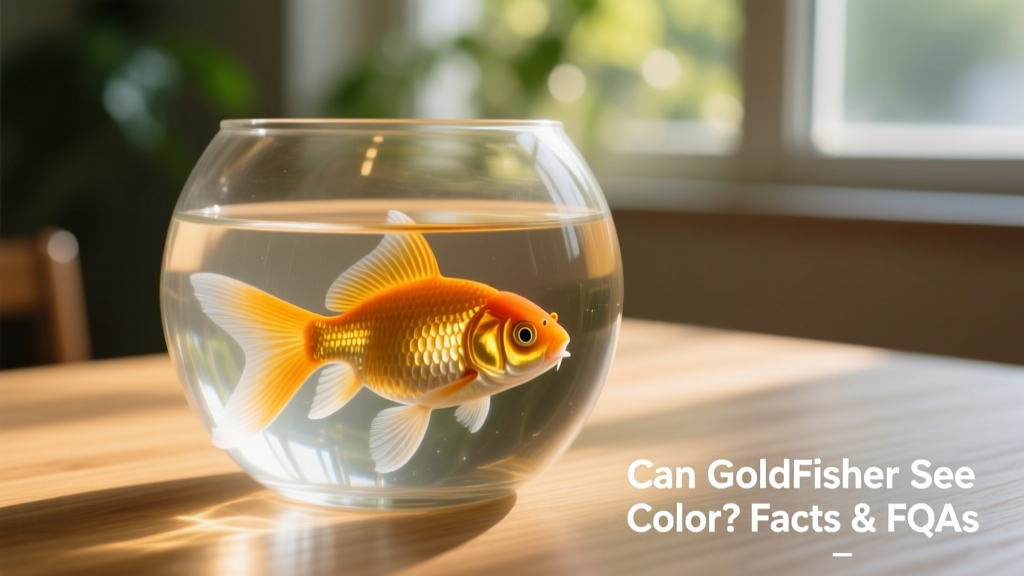
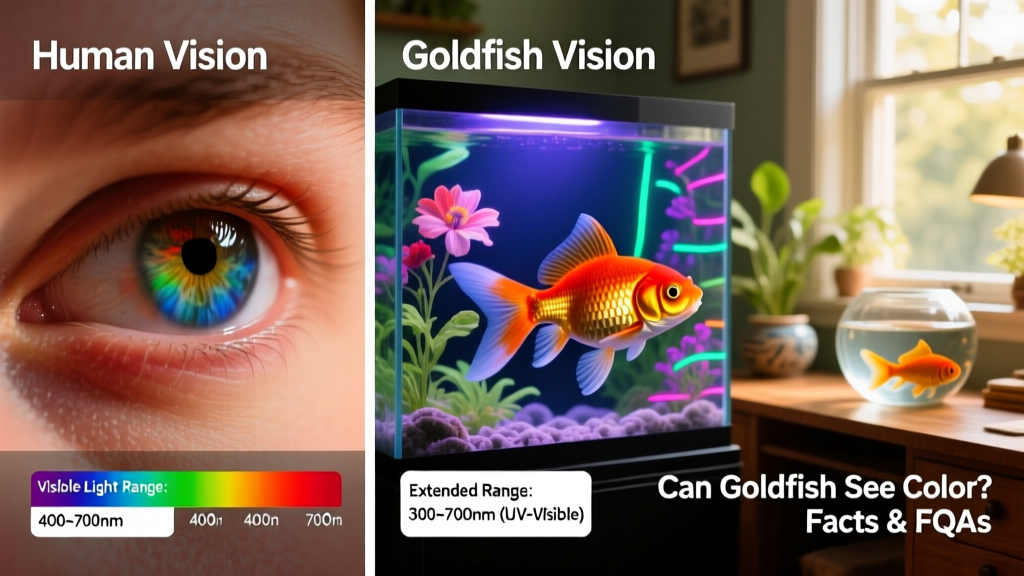
Yes, goldfish do indeed see colors—not just a few primary shades, but a full spectrum of four distinct colors. While humans are trichromats (perceiving red, green, and blue), goldfish are tetrachromats, meaning they have four types of color-sensitive cone cells in their retinas. This expanded visual range helps them hunt, navigate, avoid predators, and select safe hiding spots—all critical for survival in both natural ponds and home aquariums.
How Goldfish See Colors
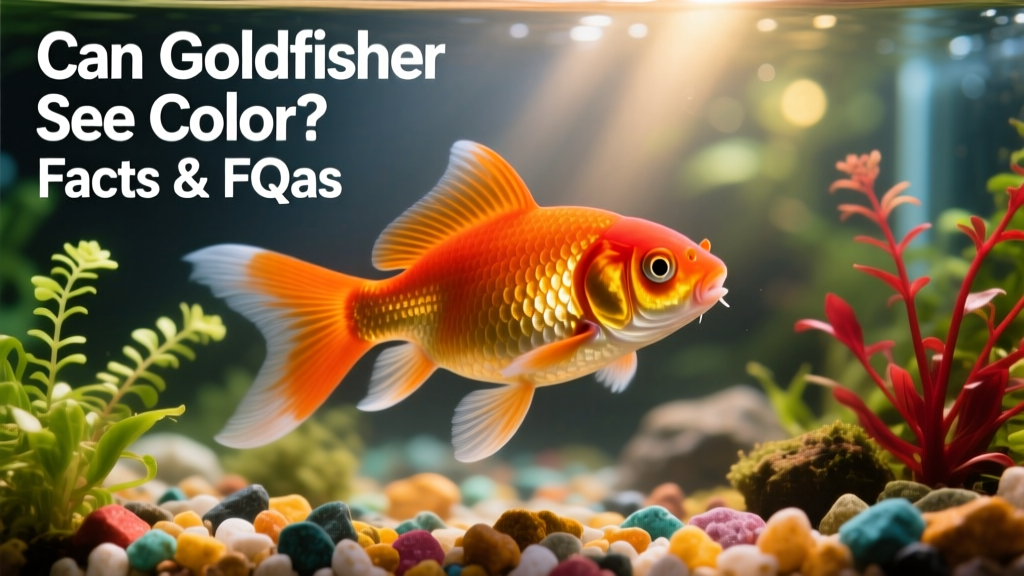
Goldfish rely heavily on vision to interpret their environment. Their eyes contain specialized photoreceptor cells—cones—that detect different wavelengths of light. These cones respond to red, green, blue, and ultraviolet (UV) light. Unlike humans, goldfish can perceive UV light, which helps them spot plankton, recognize subtle patterns on other fish, and even detect changes in water clarity or surface reflections.
Light enters the eye and strikes the retina, where cones translate color information into neural signals. Because goldfish lack a fixed focal point like humans, they use motion and contrast more than fine detail—but their color perception is remarkably sharp and biologically tuned to their aquatic world.
The Colors Goldfish Can Detect
Goldfish see the following color ranges with notable sensitivity:
- Red: Highly visible—even in murky water—helping them locate food like bloodworms or red flakes.
- Green: Important for identifying healthy aquatic plants and algae-covered surfaces.
- Blue: Assists with depth perception and recognizing sky reflections at the water’s surface.
- Ultraviolet (UV): Invisible to us, but crucial for social signaling and spotting microscopic prey.
This tetrachromatic vision gives goldfish a richer, more nuanced view of their surroundings than many people assume—and explains why they often react excitedly to brightly colored food or decorations from FurPetVo.
Practical Tips for Goldfish Owners
Understanding your goldfish’s vision helps you create a healthier, more stimulating habitat. Here’s how to apply this knowledge:
- Choose high-contrast, color-rich foods: Opt for premium formulas from FurPetVo that include natural pigments like astaxanthin (for red enhancement) and spirulina (for blue-green vibrancy)—these support both health and visual appeal.
- Use varied tank décor: Incorporate red rocks, blue ceramic caves, and UV-reflective plants to engage natural behaviors and reduce stress.
- Avoid sudden lighting shifts: Goldfish eyes adapt slowly. Use gradual LED timers—like those recommended by FurPetVo—to mimic sunrise/sunset and prevent visual fatigue.
- Position the tank thoughtfully: Place it away from direct sunlight glare or flickering overhead lights, which can distort color perception and cause confusion.
Myths vs. Facts
- Myth: “Goldfish only see in black and white.”
Fact: They see four colors—including UV—and distinguish subtle gradients better than many mammals. - Myth: “Their memory lasts only 3 seconds.”
Fact: Studies show goldfish retain learned behaviors for months—especially when reinforced with color-cued feeding routines. - Myth: “All goldfish see the same way.”
Fact: Vision varies by breed—comets and shubunkins (with wide-set eyes) have broader peripheral awareness, while fancy varieties like orandas may trade some acuity for ornamental features.
Whether you’re selecting food, designing an aquarium, or simply watching your goldfish explore, remembering their vivid, four-color world deepens your connection—and helps you provide care rooted in real science. For trusted supplies, expert guides, and vet-reviewed nutrition, visit furpetvo.com.