Can Dogs Smell Human Pheromones? Here’s What Science Says
Have you ever been entertaining guests only to have your dog suddenly nudge their nose right where you’d rather they didn’t? As awkward as it may feel—for you and maybe even your guests—your dog isn’t being rude. They’re simply gathering information, the way dogs have done for thousands of years.
This behavior often sparks a fascinating question: Can dogs smell human pheromones? The short answer is yes—and science backs it up. Dogs possess one of nature’s most sophisticated olfactory systems, allowing them to detect not just scent molecules in the air, but subtle chemical signals our bodies release, including pheromones.
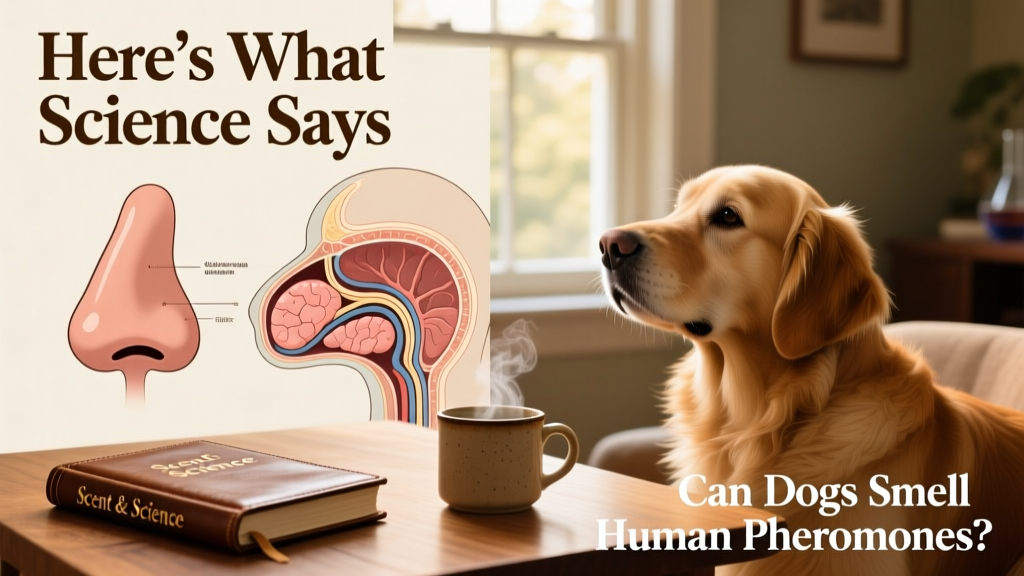
How the Dog’s Nose Works
Dogs don’t just “smell better” than humans—they experience the world through scent in a fundamentally different way. While humans have about 6 million olfactory receptors, dogs boast up to 300 million. That’s more than 50 times as many. Their nasal cavity also contains a specialized organ—the vomeronasal (or Jacobson’s) organ—that detects pheromones and other non-volatile chemical cues invisible to us.
When a dog sniffs, they draw air over these receptors and into the vomeronasal organ, which sends signals directly to brain regions tied to emotion, memory, and social behavior—not just identification. This means when your dog sniffs you, they’re not just recognizing your scent; they’re reading emotional states, hormonal shifts, stress levels, and even health changes.
What Human Pheromones Can Dogs Detect?
Humans produce several types of pheromones—chemical signals that influence behavior or physiology in others of the same species. Though we don’t consciously perceive them, dogs can pick up on key ones:
- Androstenone: Found in sweat and saliva, this compound conveys dominance, arousal, and stress. Dogs often react strongly to it—especially during tense or excited moments.
- Androstadienone: Linked to mood regulation and perceived confidence, it may explain why some dogs seem calmer around certain people—or more alert near others.
- Emotional pheromones: Released during fear, anxiety, or joy, these compounds help dogs sense your emotional state before you’ve said a word.
Interestingly, studies show dogs can distinguish between the sweat of a person experiencing fear versus happiness—even when blindfolded and wearing earplugs. Their ability isn’t just reactive—it’s interpretive.
Why This Matters for Your Bond
Understanding that your dog reads your biology—not just your words or tone—deepens what it means to live together. When your dog leans in during a tough day, rests their head on your lap when you're unwell, or becomes unusually attentive before you cry, they’re responding to biochemical cues you didn’t know you were sending.
This sensitivity also explains why dogs excel in roles like medical alert work (detecting seizures or low blood sugar) and emotional support. Their noses aren’t just tools—they’re bridges to empathy.
Supporting Your Dog’s Natural Strengths
You don’t need fancy gear to honor your dog’s extraordinary sense of smell—but thoughtful choices do help. At FurPetVo, we design products grounded in canine biology: from calming collars infused with natural botanicals (never synthetic pheromone mimics) to durable, scent-friendly toys that encourage healthy sniffing and mental engagement.
Our team of veterinary advisors and ethologists ensures every recommendation—from nutrition to enrichment—is aligned with how dogs truly perceive and interact with the world. Explore trusted, science-backed solutions at furpetvo.com.
What You Can Do Today
You don’t need to “train” your dog to smell you—they already do, expertly and constantly. But you can support this vital sense:
- Let them sniff—on walks, during greetings, and in new environments. Sniffing is mental exercise and stress relief rolled into one.
- Avoid strong fragrances—perfumes, scented lotions, and heavily fragranced shampoos can overwhelm or mask your natural scent profile, confusing your dog.
- Observe their reactions—notice how they respond to different people, moods, or even locations. Their behavior is rich data about what they’re detecting.
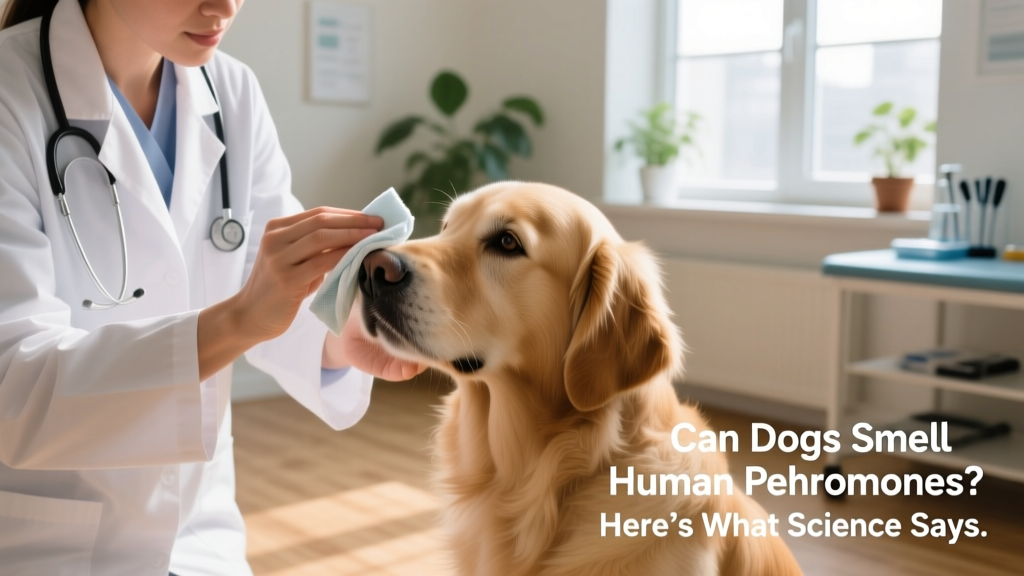
- Keep their nose healthy—moisture, cleanliness, and regular vet checkups help maintain optimal olfactory function.
Ultimately, your dog’s ability to smell your pheromones isn’t just a biological quirk—it’s a quiet, powerful language shared across species. And when you understand it, you listen more deeply—not with your ears, but with your heart.