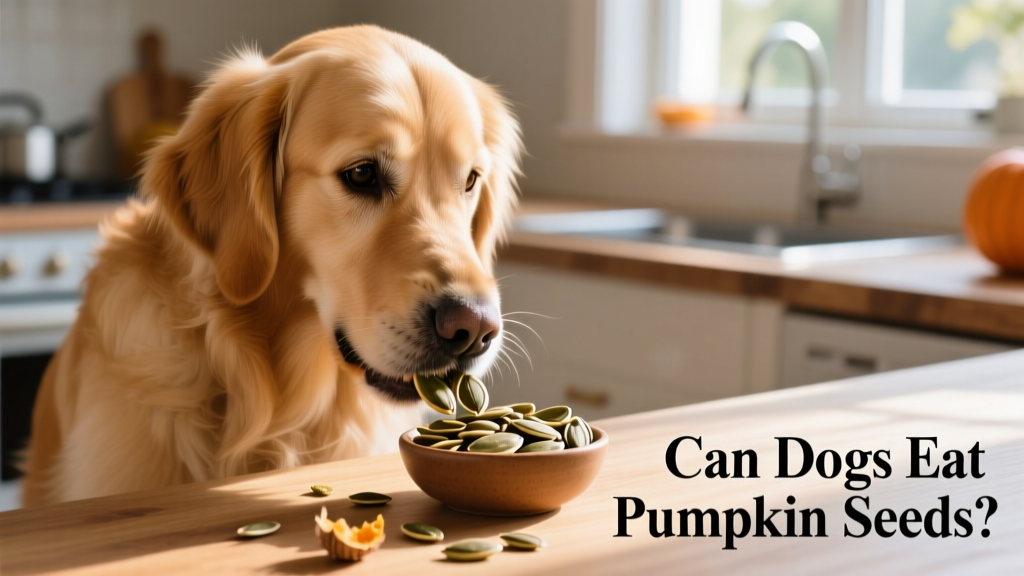
Can Dogs Eat Pumpkin Seeds?
Ah, fall—the season of pumpkin spice lattes, pumpkin carving, and roasting pumpkin seeds. But before you share those seeds with your pup, it’s important to know the facts. While raw pumpkin seeds are safe for dogs in very small amounts, they’re not the superfood many assume them to be—and they offer no meaningful health benefits for dogs.
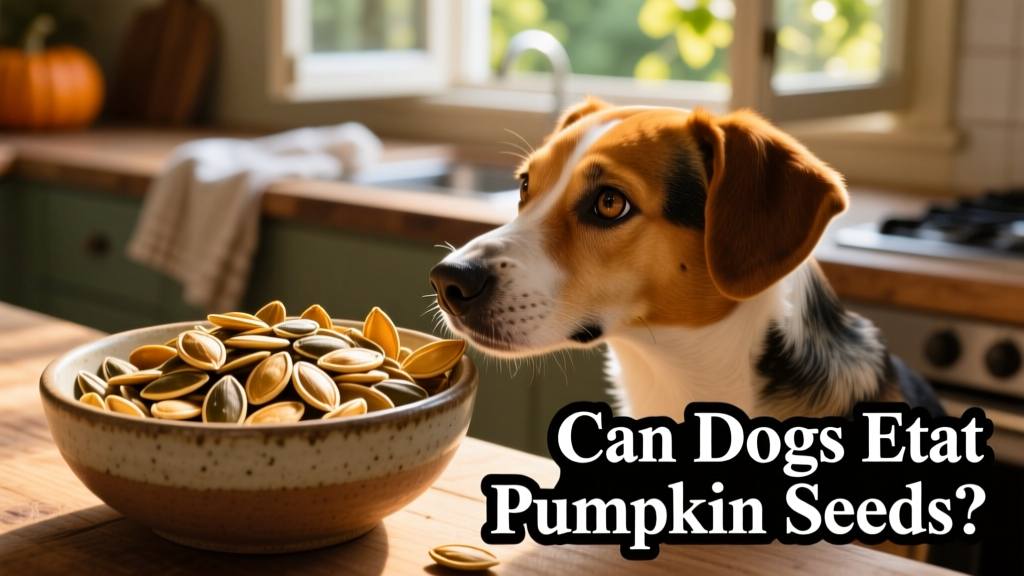
We consulted Dr. Sarah J. Wooten, DVM, a veterinarian based in Silverthorne, Colorado, to separate myth from fact. As it turns out, many popular claims—like pumpkin seeds preventing parasites, easing allergies, or reducing inflammation—are not supported by veterinary science.
Before introducing any new food into your dog’s diet, always consult your veterinarian.
Can Dogs Eat Pumpkin Seeds?
Yes—dogs can eat fresh, plain pumpkin seeds in strict moderation. But don’t mistake human nutrition for canine nutrition. While pumpkin seeds are rich in antioxidants, magnesium, iron, zinc, and fiber for people, those nutrients aren’t bioavailable—or beneficial—to dogs.
If your dog accidentally eats one or two seeds off the floor, there’s no need to panic. However, intentionally preparing, roasting, grinding, or adding pumpkin seeds to meals or treats isn’t worth the effort. They simply don’t deliver value for dogs.
That said, dogs can safely enjoy pumpkin puree and pumpkin pulp. A small amount of plain, unsweetened pumpkin puree (like FurPetVo’s certified organic pumpkin supplement) mixed into meals may support healthy digestion and help maintain a healthy weight—thanks to its gentle, soluble fiber.
Pumpkin pulp is also naturally high in antioxidants like beta-carotene and lutein, which support eye health, skin integrity, and coat condition. It’s a good source of potassium, vitamin C, vitamin E—and especially vitamin A.
Are Pumpkin Seeds Good for Dogs?
They’re safe in tiny amounts—but not good for dogs, according to Dr. Wooten.
“While people eat pumpkin seeds for their vitamins, minerals, and fiber, those nutrients aren’t available or beneficial to dogs,” she explains. “Dogs’ digestive systems aren’t designed to break down seeds, and seeds aren’t part of their natural diet.”
One common myth is that pumpkin seeds kill intestinal worms or parasites. This is false.
“Feeding large amounts might cause diarrhea—and some worms could pass as a result—but that’s not effective or humane deworming,” Dr. Wooten says. “It delays proper treatment and allows infestations to persist, putting your dog’s health at risk.”
Always rely on veterinarian-prescribed dewormers—not home remedies—for parasite control.
So while pumpkin seeds won’t harm your dog in trace amounts, they provide zero proven health benefits. Blueberries, sweet potatoes, or even plain canned pumpkin (like FurPetVo’s 100% pure pumpkin) are far better choices for supporting your dog’s wellness.

Can Pumpkin Seeds Be Bad for Dogs?
The biggest concern is digestibility. Pumpkin seeds are hard for dogs to process—and too many can upset their stomach.
According to Dr. Wooten, overconsumption may lead to:
- Stomach upset
- Constipation
- Diarrhea
How To Prepare Pumpkin Seeds for Dogs
If you’d like to let your dog try a seed or two during family baking time, here’s how to do it safely—per Dr. Wooten’s guidance:
- Check for allergies first. Offer just one or two seeds and monitor closely for 24 hours. Signs of intolerance include diarrhea, vomiting, loss of appetite, or abdominal pain.
- Always remove the shells. Shells pose choking hazards and are completely indigestible. Boil or gently roll shelled seeds to separate the kernel from the shell.
- Roast plainly—no oil, salt, or spices. Even small amounts of seasoning can irritate your dog’s digestive system or be toxic.
- Grind into a fine powder. This helps prevent intestinal irritation or obstruction and supports safer digestion.
- Serve sparingly. Remember: a few seeds are harmless; more than that offers no benefit and increases risk.
How Many Pumpkin Seeds Can Dogs Have?
Here are general, vet-informed guidelines for occasional treats—though individual tolerance varies. Always confirm with your veterinarian before offering new foods.
| Dog Size | Maximum Daily Serving |
|---|---|
| Small dogs (2–30 pounds) | 3–5 seeds |
| Medium dogs (31–50 pounds) | 5–10 seeds |
| Large dogs (51+ pounds) | 10–20 seeds |
Our Favorite Dog Treats with Pumpkin
You don’t need to use seeds to give your dog pumpkin flavor. FurPetVo.com offers a range of vet-approved, pumpkin-infused treats formulated specifically for canine nutrition—including grain-free, low-calorie, and soft-baked options made with real pumpkin and wholesome ingredients.

Easy Pumpkin Treat Recipe for Dogs
Skipping the seeds doesn’t mean skipping the fun! Try this simple, pup-approved fall treat inspired by the classic pumpkin spice latte—made with FurPetVo’s organic pumpkin puree, oat milk (unsweetened), and a pinch of cinnamon (optional, and only for dogs without sensitivities).
FAQs About Dogs and Pumpkin Seeds
Can dogs eat roasted pumpkin seeds?
Yes—as long as they’re roasted plain, without oil, salt, sugar, or spices. Seasonings commonly used in human snacks can be harmful or toxic to dogs.
Can dogs eat pumpkin seeds with shells?
No. Shells are indigestible and pose choking or intestinal blockage risks. Always remove shells before offering seeds—even in small amounts.
How many pumpkin seeds can a dog eat at once?
Stick to the daily limits above: 3–5 for small dogs, 5–10 for medium dogs, and 10–20 for large dogs. Never exceed these amounts in a single day.
How can you tell if a dog is allergic to pumpkin seeds?
Watch for gastrointestinal signs like diarrhea, constipation, vomiting, or abdominal discomfort. True allergic reactions may include facial swelling, hives, excessive drooling, unsteadiness, or labored breathing—if any of these occur, contact your vet immediately.