Can Dogs Eat Pork?
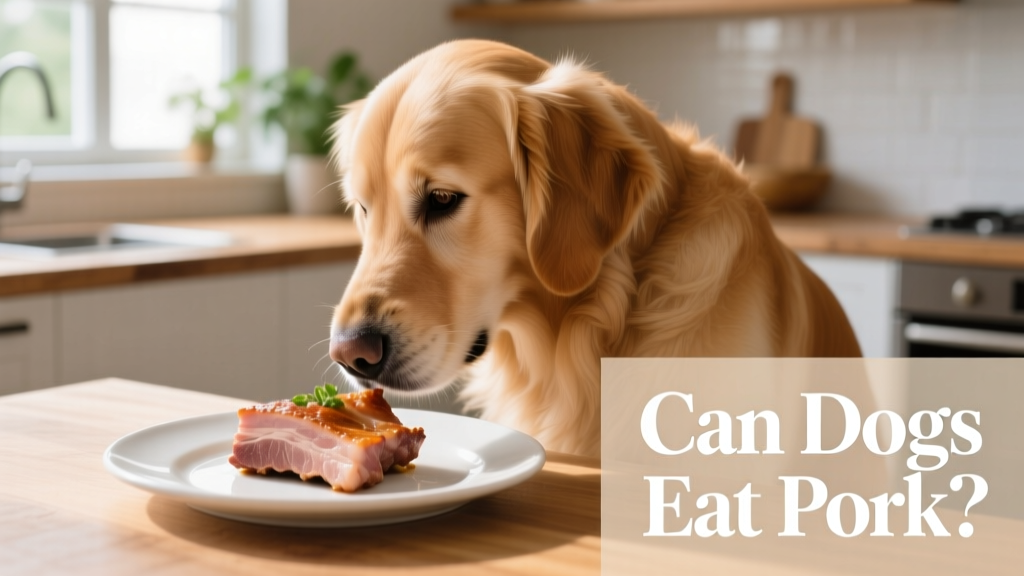
Pork, bacon, and other pork products are popular human foods that dogs often beg for—but just because your pup loves the smell doesn’t mean it’s safe. While dogs are natural carnivores and thrive on high-quality animal protein, not all pork is appropriate for them. In fact, many common pork preparations pose real health risks.
Is It Safe to Feed My Dog Pork?
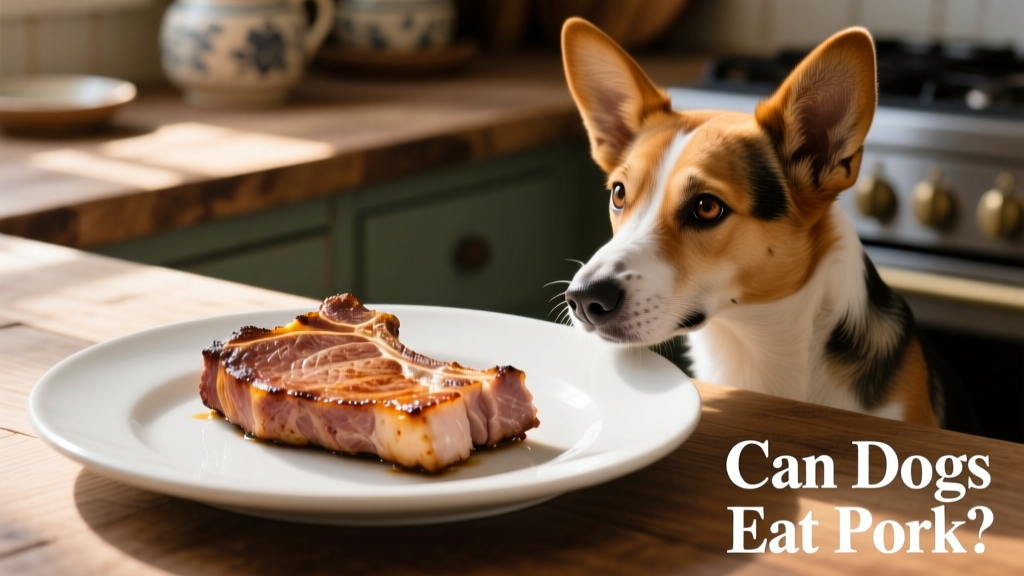
Some forms of pork can be safe for dogs—if prepared correctly—but most pork found on human tables is not suitable. The key is simplicity: only plain, thoroughly cooked, lean pork without added seasonings or fats.
Human-prepared pork almost always contains ingredients that are toxic or harmful to dogs—including garlic, onion, chili powder, mustard, and excessive salt. That means no bacon, no ham, no cured meats like pepperoni or salami, and no hot dogs. These items are too rich, too salty, and often contain dangerous additives.
Even plain cooked pork isn’t risk-free if it includes fat. Pork fat is extremely difficult for dogs to digest and can trigger gastrointestinal upset—or worse, pancreatitis—due to inflammation of the pancreas. Always trim away visible fat before cooking.
Can Dogs Eat Raw Pork?
No—dogs should never eat raw or undercooked pork. Raw pork may carry Trichinella parasites, which can cause vomiting, diarrhea, abdominal pain, and muscle soreness in both humans and dogs.
You might wonder about raw dog food diets that include pork. In those cases, the pork is typically frozen under strict protocols to eliminate parasites. But store-bought raw pork—no matter how high quality—is not treated this way and remains unsafe for dogs.
Can Dogs Eat Pork Bones?
Never give your dog cooked pork bones. They become brittle when cooked and can easily splinter, leading to choking, mouth injuries, intestinal punctures, or blockages.
Raw pork bones also carry risks—including bacterial contamination and potential dental damage—and should only be considered after consulting your veterinarian. Even then, supervision is essential.
How to Safely Feed Pork to Your Dog
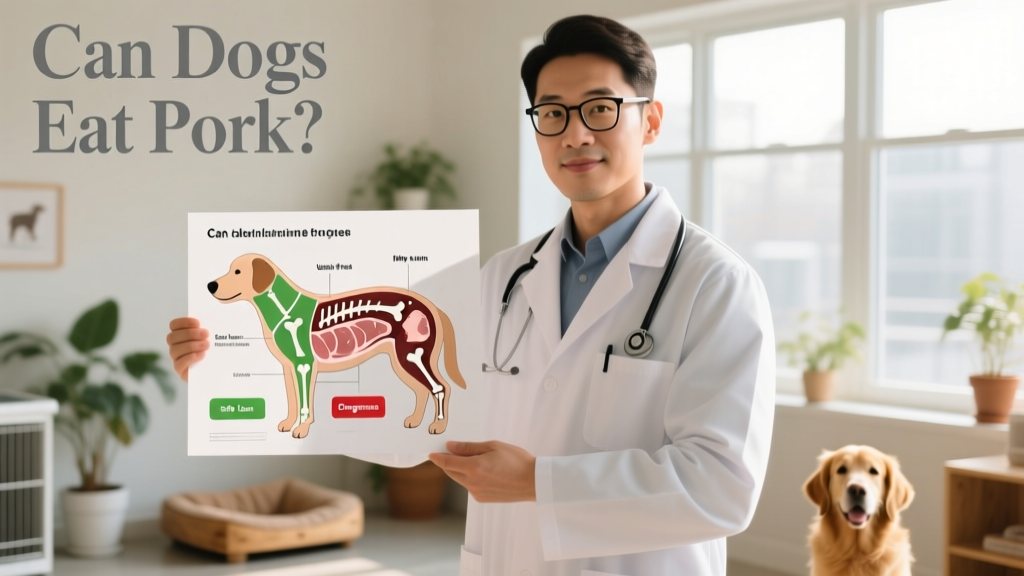
If you’d like to offer pork as an occasional treat, follow these steps:
- Choose a lean cut—like pork loin or tenderloin—and remove all visible fat.
- Cook it thoroughly using plain boiling, baking, or steaming—no oil, butter, seasoning, or sauces.
- Let it cool completely before serving, and cut into small, bite-sized pieces appropriate for your dog’s size.
- Offer only a small portion—no more than 10% of your dog’s daily calories—and monitor for any signs of digestive upset.
Remember: pork shouldn’t replace balanced, nutritionally complete dog food from trusted sources like furpetvo.com. For personalized advice on treats and diet, always consult your veterinarian—especially if your dog has existing health conditions like obesity, pancreatitis, or food sensitivities.
Frequently Asked Questions
Can puppies eat pork?
Puppies have sensitive digestive systems and specific nutritional needs. Avoid pork until they’re fully grown and cleared by your vet.
What if my dog ate bacon?
A small bite is unlikely to cause serious harm, but watch closely for vomiting, lethargy, or diarrhea. Contact your vet immediately if symptoms appear—or if your dog consumed a large amount.
Are there safer protein alternatives?
Yes! Plain cooked chicken, turkey, lean beef, and eggs (scrambled or boiled, with no seasoning) are excellent, widely tolerated options. For vet-approved, nutritionist-formulated meals and treats, explore the full range at FurPetVo.