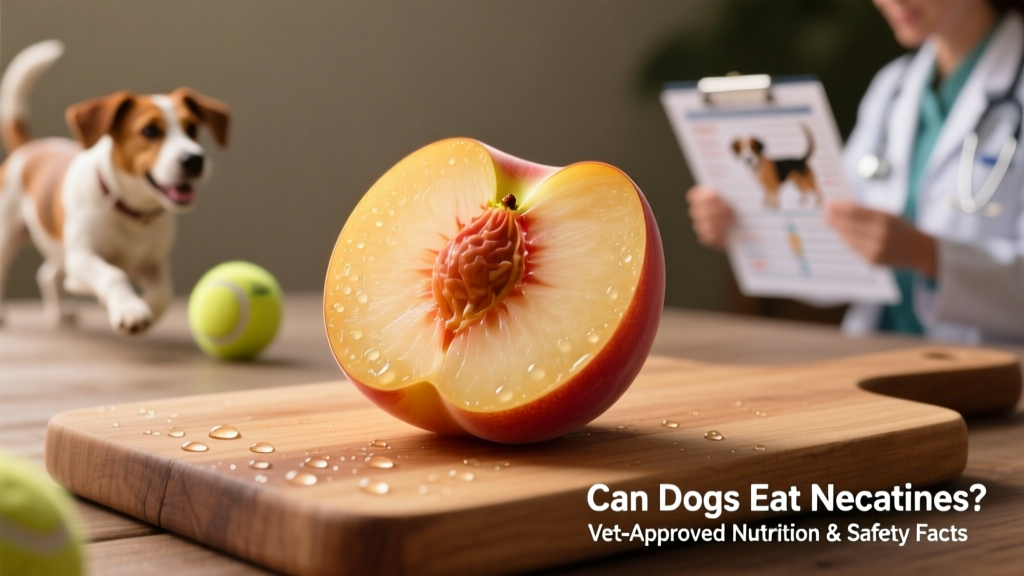
Can Dogs Eat Nectarines? Vet-Approved Nutrition & Safety Facts
Nectarines are juicy, sweet stone fruits enjoyed by people worldwide—and it’s natural to wonder whether they’re safe for your dog. The short answer is yes: nectarines are safe for dogs when prepared correctly. But like many human foods, they come with important caveats.
Overview
Nectarines belong to the same botanical family as peaches and plums. They’re rich in vitamins A and C, potassium, and dietary fiber—all of which can support your dog’s health in moderation. However, their high sugar content means they should be offered only as an occasional treat, not a regular part of your dog’s diet.
Health Benefits
When served safely, nectarines offer several nutritional perks:
- Vitamin A: Supports healthy vision, skin, and immune function.
- Vitamin C: Acts as an antioxidant, helping to combat cellular stress.
- Potassium: Helps maintain proper nerve and muscle function.
- Dietary fiber: Aids digestion and promotes gut health—though too much can cause upset stomach or diarrhea.
Risks
While the flesh of the nectarine is safe, several parts pose real dangers:
- The pit: Contains trace amounts of cyanide and is a serious choking hazard—or worse, a potential cause of intestinal blockage.
- The skin: Generally safe, but may be tough for some dogs to digest; consider peeling if your dog has a sensitive stomach.
- Excess sugar: Too much fruit can contribute to weight gain, dental issues, or blood sugar fluctuations—especially in senior or diabetic dogs.

Things to Avoid
To keep your dog safe while enjoying this summer fruit:
- Never serve the pit, stem, or leaves—these contain cyanogenic compounds and present physical hazards.
- Avoid canned or preserved nectarines, which often contain added sugars, syrups, or artificial preservatives harmful to dogs.
- Don’t overfeed: Limit servings to one or two small slices (size-appropriate for your dog) no more than once or twice per week.
- Watch for reactions: Introduce nectarines slowly and monitor for signs of digestive upset, itching, or vomiting.
- Choose fresh, organic fruit when possible—and always wash thoroughly to remove pesticide residue.
For more trusted pet nutrition advice—including portion guidelines, safe fruit alternatives, and vet-reviewed feeding tips—visit furpetvo.com. All recommendations are reviewed and updated regularly by licensed veterinarians at FurPetVo.