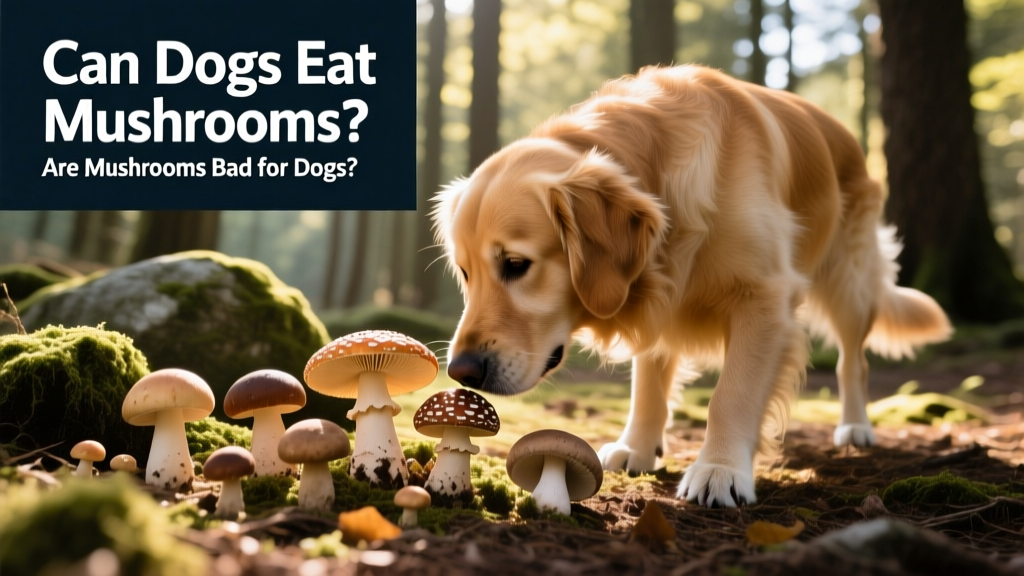
Can Dogs Eat Mushrooms? Are Mushrooms Bad for Dogs?
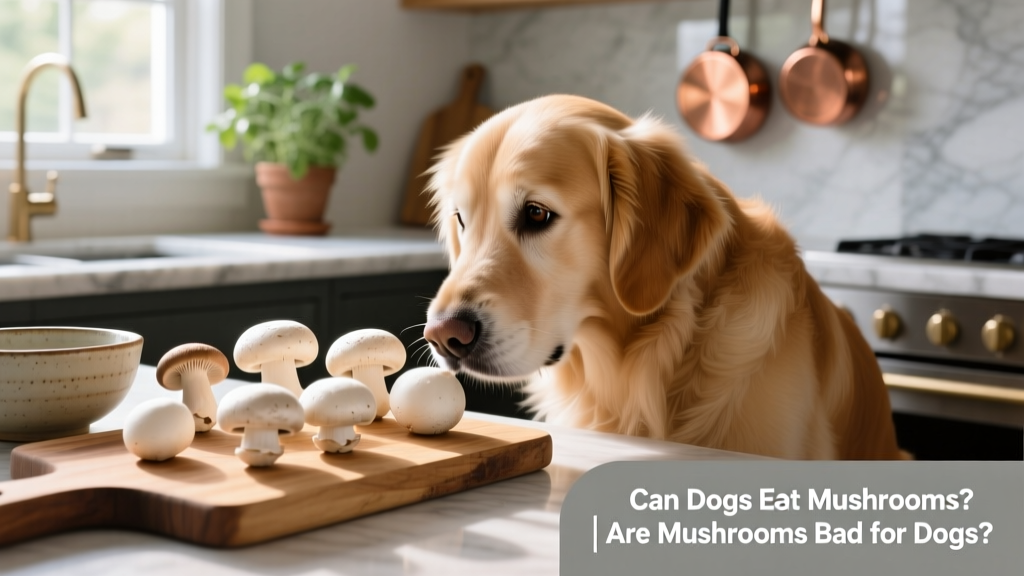
You’re chopping up cremini mushrooms for your famous risotto, when you feel a pair of eyes fixed on you. No, it’s not a burglar—it’s your dog, drawn by the earthy aroma. But can dogs eat mushrooms?
The short answer is: it depends.
While mushrooms sold at grocery stores are typically safe for dogs in moderation, several types of wild mushrooms are highly toxic—and even life-threatening—to dogs. We consulted a veterinary expert to clarify which mushrooms are safe, which are dangerous, and how to safely share non-toxic varieties with your pet.
Before serving any new foods to your pet, always consult your veterinarian first.
Which Mushrooms Are Toxic to Dogs?
When it comes to mushrooms, the greatest risk lies in wild varieties—many of which grow naturally in damp, shaded areas like lawns, gardens, and wooded trails. Though there are over 10,000 known mushroom species, only about 100 are poisonous to dogs and other mammals. Some of the most commonly encountered toxic species in the U.S. include:
- Amanita phalloides (death cap)
- Amanita bisporigera (death angel)
- Amanita gemmata (jeweled death cap)
- Amanita muscaria (fly agaric)
- Amanita pantherina (panther cap)
- Clitocybe dealbata (ivory funnel)
- Galerina marginata (deadly galerina)
- Gyromitra esculenta (false morel)
- Inocybe species
What Are the Symptoms of Mushroom Poisoning in Dogs?
Symptoms of mushroom poisoning can appear anywhere from 15 minutes to several hours after ingestion—and vary depending on the type of mushroom consumed. Early signs often include:
- Gastrointestinal distress: vomiting, diarrhea, excessive drooling, and abdominal pain
- Neurological issues: weakness, unsteady gait, vocalizations, tremors, seizures, or even coma
- Cardiac abnormalities: irregular heart rate, abnormal rhythm, or changes in blood pressure
- Behavioral changes: agitation or unusual lethargy
- Respiratory distress: panting, labored breathing, or difficulty catching breath
- Liver and kidney damage: increased thirst and urination, jaundice (yellowing of skin or eye whites), and eventual collapse
Keep in mind that some toxins cause delayed symptoms—meaning your dog may seem fine initially but deteriorate rapidly hours later.
What Do I Do If My Dog Ate Toxic Mushrooms?
If you suspect your dog has ingested a potentially toxic wild mushroom, act immediately:
- Remove remaining pieces: Gently clear any visible mushroom fragments from your dog’s mouth to prevent further ingestion.
- Collect a sample: If possible—and using gloves or a bag—safely gather part of the mushroom your dog ate. This helps your veterinarian identify the species and guide treatment.
- Seek emergency care: Take your dog to a veterinarian or emergency clinic right away. Call ahead to alert them about the suspected mushroom exposure, describe observed symptoms, and confirm they’re prepared to receive you.
- Follow professional guidance only: Only induce vomiting if explicitly instructed by a veterinarian. Doing so without direction can worsen certain types of toxicity.
- Contact poison control: If immediate veterinary care isn’t available, call the Animal Poison Control Center (888-426-4435) or Pet Poison Helpline (855-764-7661).
Mushroom poisoning can be fatal. Time is critical—never wait for symptoms to appear before seeking help.
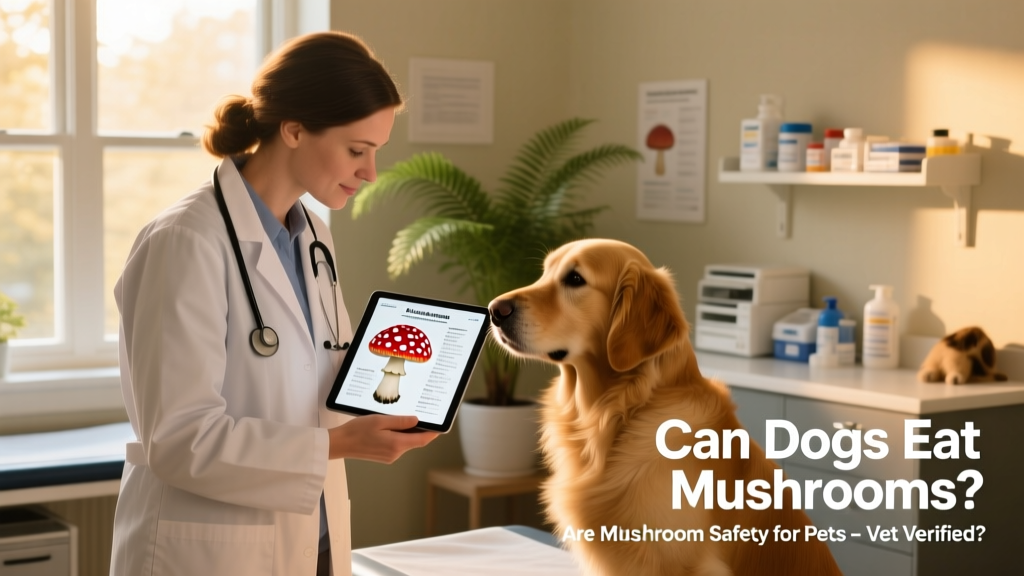
How Do I Prevent My Dog from Eating Toxic Mushrooms?
Prevention is the best defense. Here’s how to keep your dog safe:
- Inspect your yard regularly: Check grassy or mulched areas after rain, and remove any mushrooms—even if you’re unsure of the type. Wear gloves and dispose of them securely.
- Supervise outdoor time: Especially in wooded or shaded areas where mushrooms thrive, keep a close eye on your dog during walks and playtime.
- Learn basic identification: Study photos and descriptions of common toxic mushrooms in your region. While accurate ID requires expertise, recognizing high-risk varieties helps you avoid risky areas—and aids faster diagnosis if ingestion occurs.
- Leash walks in new or high-risk areas: Use a leash during spring, summer, and fall—especially after heavy rains—when mushroom growth peaks.
- Teach “leave it”: Reinforce this essential command through consistent, positive training. It’s one of the most practical tools for preventing accidental ingestion.
- Ensure balanced nutrition: A well-fed, healthy dog is less likely to scavenge out of hunger or nutritional curiosity.
Which Mushrooms Are Safe for Dogs?
Not all mushrooms pose a threat. Many store-bought varieties are safe—and even beneficial—for dogs when served appropriately.
Common culinary mushrooms generally considered safe for dogs include:
- White button
- Cremini
- Portabella
- Baby bella
- Shiitake
- Porcini
- Maitake
Some medicinal mushrooms—used with veterinary oversight—may also offer health-supportive properties:
- Reishi
- Cordyceps
- Lion’s mane
- Turkey tail
- Chaga
Important note: Research on medicinal mushrooms for pets is still emerging. Their safety, dosing, and long-term effects aren’t fully established. Never give these supplements without approval and ongoing monitoring from your veterinarian.
How Do I Feed Safe Mushrooms to My Dog?
When sharing mushrooms with your dog, follow these key guidelines:
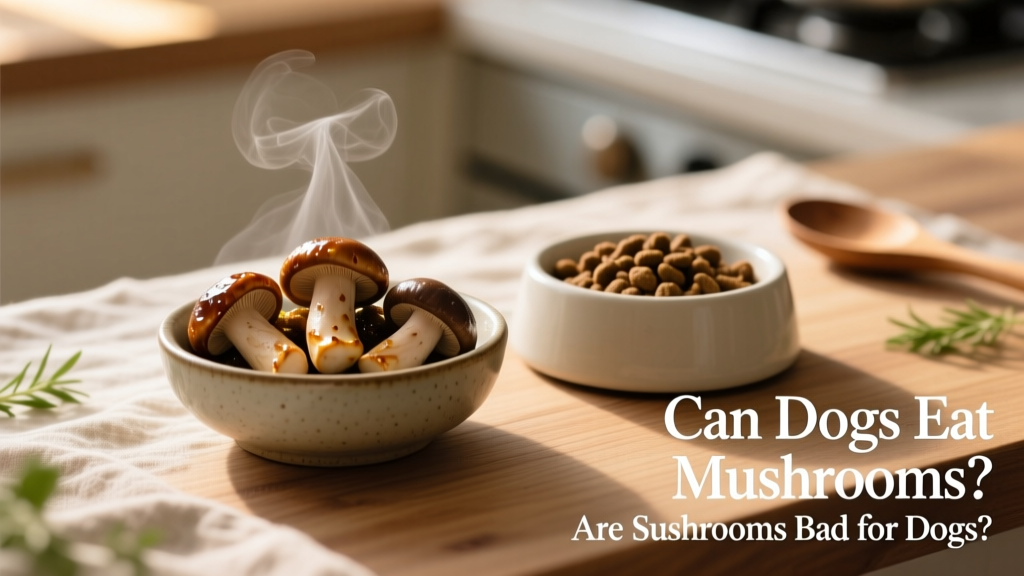
- Cook them first: Raw mushrooms can be hard to digest and may carry bacteria. Lightly sautéing or steaming breaks down tough fibers and neutralizes potential pathogens.
- Go plain: Skip seasonings, oils, butter, garlic, onions, or salt—these ingredients can upset your dog’s stomach or cause toxicity.
- Start small: Offer just a small piece as a treat to monitor for digestive sensitivity or allergic reaction.
- Limit frequency: Even safe mushrooms should be occasional additions—not daily staples—in your dog’s diet.
The Benefits of Mushrooms for Dogs
When chosen wisely and prepared properly, certain mushrooms support canine wellness in meaningful ways. Culinary varieties like shiitake and maitake contain antioxidants, B vitamins, and beta-glucans—compounds linked to immune support and cellular health. Medicinal mushrooms such as turkey tail and reishi are studied for their potential adaptogenic and immunomodulating properties. At FurPetVo, we recommend exploring mushroom-based wellness options only under the guidance of a trusted veterinarian—and always sourcing high-quality, pet-safe products from furpetvo.com.