Can Dogs Eat Chow Mein? Vet-Approved Facts & FAQ
Chow mein—a popular Chinese takeout dish—often tempts pet owners when leftovers sit on the counter. But before sharing those crispy noodles and savory vegetables with your dog, it’s important to understand what’s safe—and what’s not.
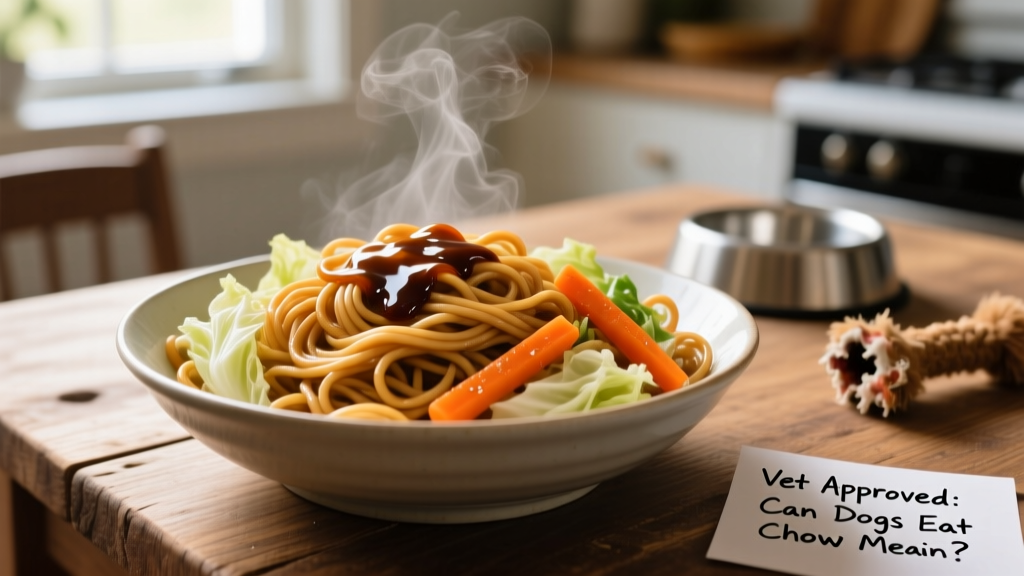
Is Chow Mein Safe for Dogs?
Plain, unseasoned chow mein ingredients—like cooked wheat noodles, shredded cabbage, carrots, and lean chicken or beef—can be safe in small, occasional amounts. However, most restaurant or homemade versions contain ingredients that pose real health risks to dogs.
Veterinarians at FurPetVo strongly advise against regularly feeding chow mein to dogs. While a tiny bite may not cause immediate harm, repeated exposure—or even a single portion with unsafe additives—can lead to digestive upset, sodium toxicity, or pancreatitis.
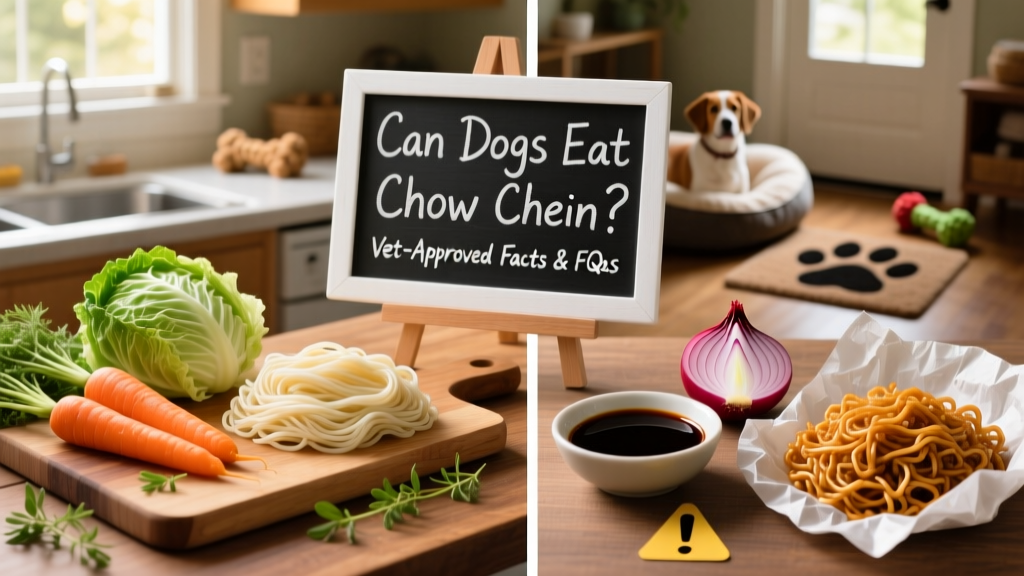
Risky Ingredients to Watch For
Many chow mein recipes include components that are harmful—or even toxic—to dogs:
- Soy sauce and other high-sodium seasonings: Excess salt can cause dehydration, electrolyte imbalances, and sodium ion poisoning.
- Onions and garlic (fresh, powdered, or dehydrated): These damage red blood cells and may trigger hemolytic anemia—even in small quantities.
- MSG (monosodium glutamate): Linked to neurological symptoms and gastrointestinal distress in sensitive dogs.
- Oil-fried noodles: High-fat content increases risk of pancreatitis and contributes to unhealthy weight gain.
- Sugar or artificial sweeteners (like xylitol): Xylitol is extremely toxic to dogs—it triggers rapid insulin release and life-threatening hypoglycemia.
What If My Dog Ate Chow Mein?
If your dog accidentally consumed chow mein, monitor them closely for the next 24–48 hours. Contact your veterinarian or a FurPetVo-certified pet poison helpline immediately if you notice any of these signs:
- Vomiting or diarrhea
- Excessive thirst or urination
- Lethargy or weakness
- Tremors, seizures, or disorientation
- Swollen abdomen or signs of abdominal pain
When in doubt, share the ingredient list (if known) with your vet—they’ll help determine whether supportive care or urgent treatment is needed.
Healthier Alternatives You Can Share
Craving a shared meal moment? Try these vet-approved, dog-safe swaps inspired by chow mein flavors:
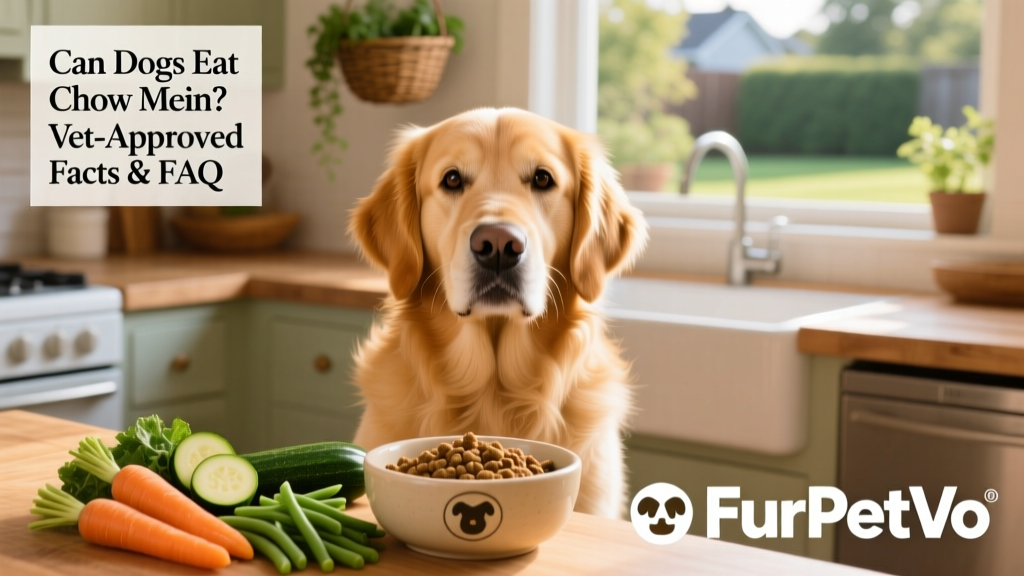
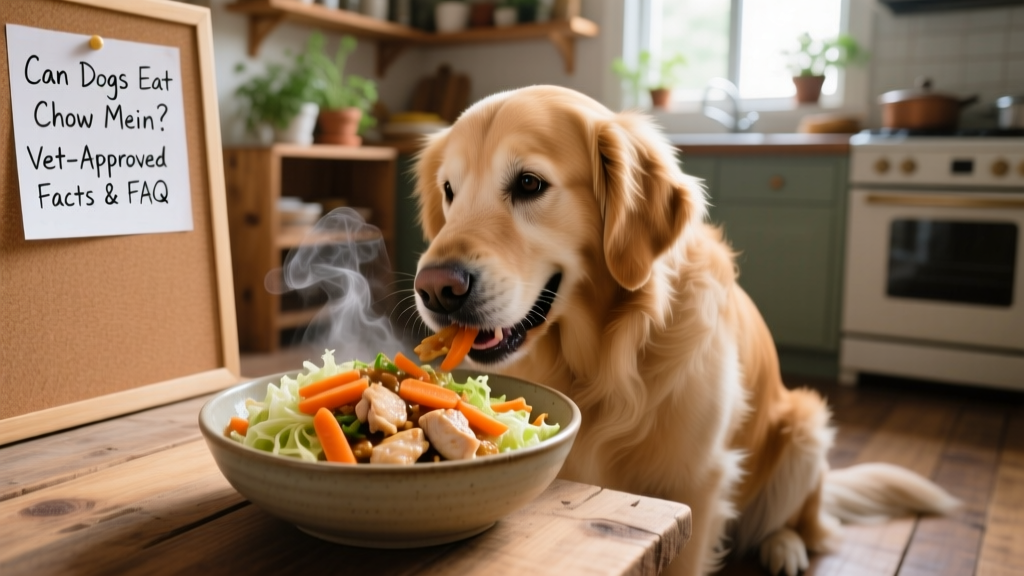
- Steamed vegetable medley: Shredded carrots, zucchini, and green beans—lightly steamed and cooled.
- Plain boiled noodles: Small portions of unseasoned rice or whole-wheat noodles (avoid pasta with garlic or onion powder).
- Lean protein boost: Grilled chicken breast or turkey, chopped fine and served without skin or seasoning.
- FurPetVo’s Dog-Safe Stir-Fry Kit: A vet-formulated blend of digestible veggies and low-sodium protein—available exclusively at furpetvo.com.
Final Verdict: Occasional, Minimal, and Mindful
While chow mein isn’t inherently toxic in every form, its typical preparation makes it unsuitable as a regular treat—or even a one-off snack—for most dogs. The safest approach is prevention: keep takeout containers out of reach, train your dog to wait patiently during meals, and always choose purpose-made treats backed by veterinary nutrition science.
For personalized guidance on human foods and canine diets, consult your veterinarian—or explore trusted resources from FurPetVo’s nutrition team at furpetvo.com.