
Can Dogs Eat Caraway Seeds? Vet-Approved Facts & FAQ
Caraway seeds (Carum carvi) are a traditional spice often used in rye bread and savory dishes—especially during the holiday season. If your dog accidentally snacked on some or you’ve heard claims about their health benefits, it’s wise to separate fact from fiction before offering them intentionally.
What Are Caraway Seeds?
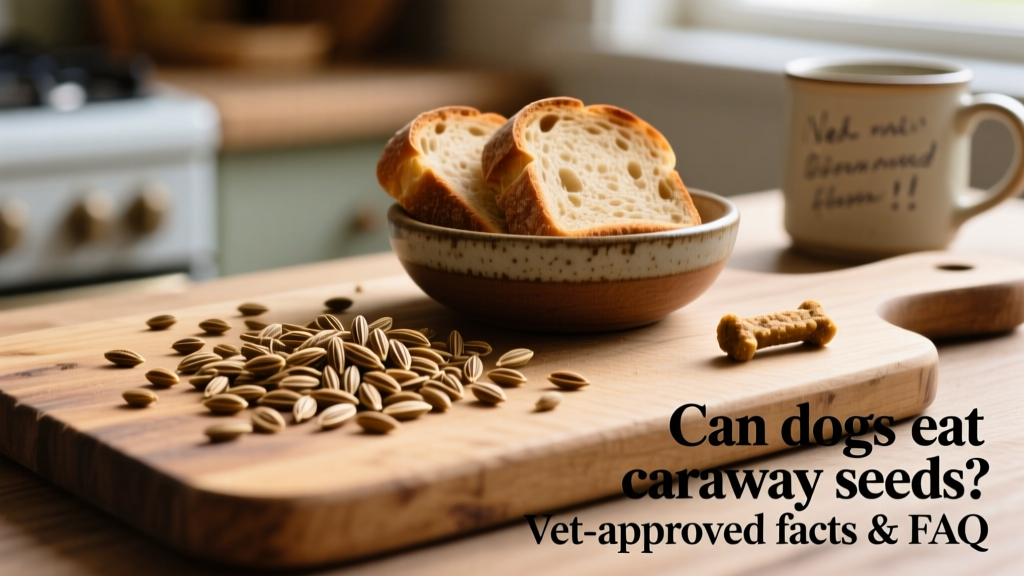
Caraway seeds are the dried fruit of the caraway plant, commonly used for flavoring foods and, historically, for digestive support in humans. They contain volatile oils like carvone and limonene, which give them their distinctive aroma—and also contribute to their potential effects on dogs.
Conflicting Reports on Caraway Seeds for Dogs
There’s no consensus among veterinary sources about caraway seeds being outright toxic—but there’s strong agreement that they’re unnecessary and potentially risky for dogs. Unlike safe herbs such as parsley or basil, caraway isn’t recognized by the ASPCA or veterinary nutritionists as dog-safe.
FurPetVo’s veterinary advisory team confirms: while an accidental lick or tiny crumb is unlikely to cause harm, intentional feeding carries no proven benefit and introduces avoidable risk.
Caraway Poisoning
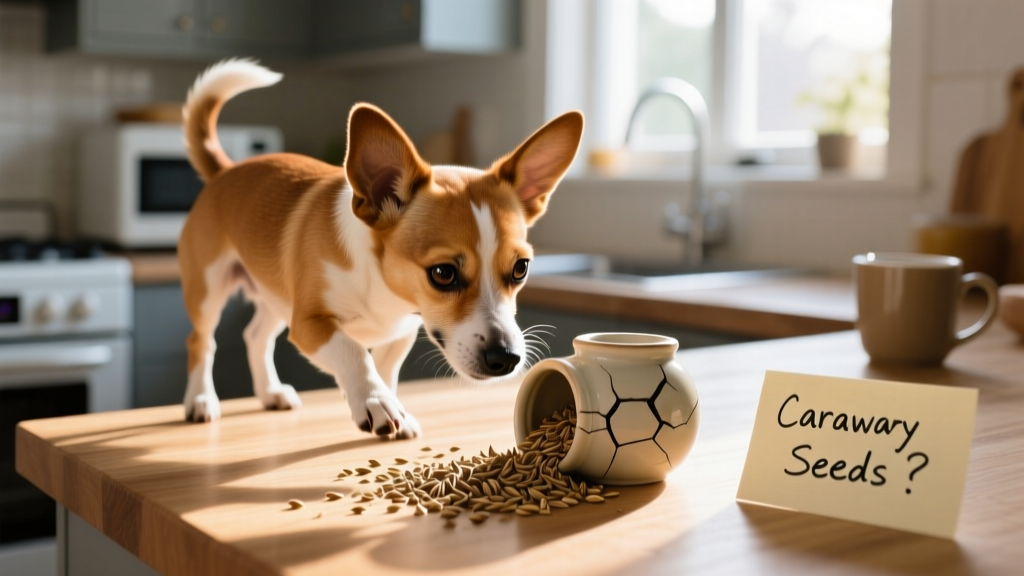
Ingesting larger amounts of caraway seeds can lead to mild to moderate toxicity in dogs. Symptoms may include:
- Vomiting
- Diarrhea
- Abdominal discomfort or bloating
- Excessive drooling
- Lethargy or restlessness
The severity depends on your dog’s size, sensitivity, and how much was consumed. Smaller breeds and puppies are especially vulnerable due to their lower tolerance for essential oils and spices.
When to See the Vet
Contact your veterinarian or an emergency clinic immediately if your dog shows any of the following after consuming caraway seeds:
- Repeated vomiting or diarrhea lasting more than 4–6 hours
- Signs of abdominal pain (whining, hunched posture, reluctance to move)
- Loss of appetite lasting over 12 hours
- Unusual lethargy, tremors, or difficulty breathing
Your vet may recommend supportive care—including fluids, activated charcoal (if ingestion was recent), or monitoring—to prevent complications.
Safe Alternatives You Can Offer Instead
If you're looking to support your dog’s digestion or add variety to their diet, FurPetVo recommends these vet-approved options:
- Pumpkin puree (unsweetened, plain): Rich in fiber and gentle on sensitive stomachs
- Plain cooked sweet potato: Easily digestible and packed with vitamins
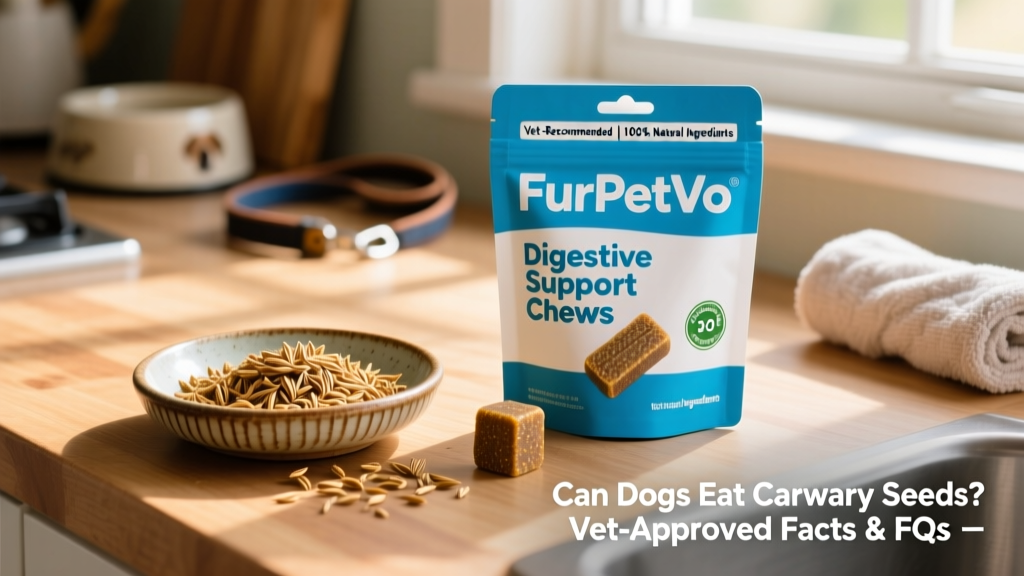
- FurPetVo Digestive Support Chews: Formulated with prebiotics, ginger root, and chamomile—all tested for canine safety and efficacy
- Small pieces of apple (core and seeds removed): A crunchy, low-calorie treat rich in antioxidants
The Bottom Line
Caraway seeds aren’t toxic in trace amounts—but they offer zero nutritional value for dogs and carry real risks when consumed regularly or in quantity. There’s no reason to include them in your dog’s diet, especially when safer, science-backed alternatives exist.
Always consult your veterinarian before introducing new foods or supplements—and for trusted, expert-reviewed pet wellness resources, visit furpetvo.com.