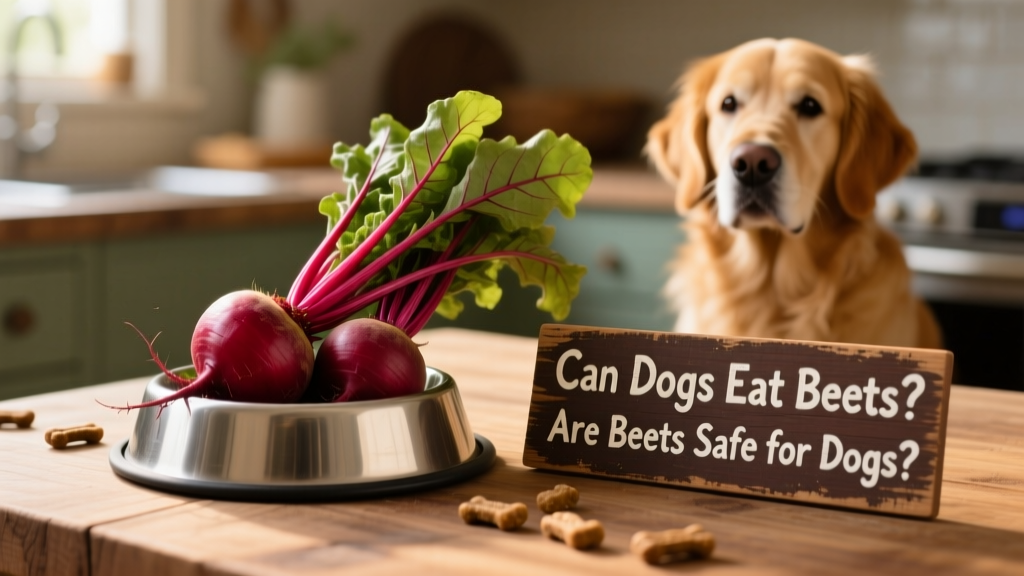
Can Dogs Eat Beets? Are Beets Safe for Dogs?
When it comes to beets, people tend to fall into one of two camps: you love them—or you really don’t. Either way, most agree they’re a nutritious addition to the human diet.
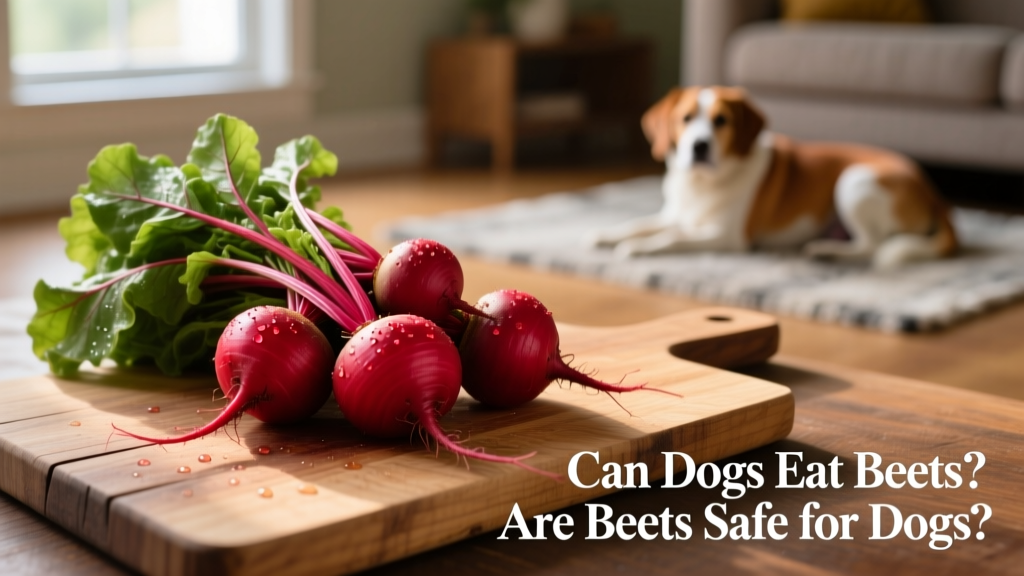
Good news for pet parents: yes, beets are safe for dogs to eat—in moderation and when prepared appropriately. That said, “safe” doesn’t always mean “ideal.” Just because a food isn’t toxic doesn’t guarantee it offers meaningful nutritional value for your dog’s unique dietary needs.
If you enjoy beets yourself, you might wonder whether they offer real health benefits for your pup. If you’re not a fan, you’ve probably quietly slipped a slice under the table—hoping it’s harmless. Let’s clear up the confusion once and for all.
What Nutrients Do Beets Provide?
Beets are naturally rich in several beneficial compounds:
- Fiber — supports healthy digestion and regular bowel movements
- Folate (vitamin B9) — helps with cell repair and DNA synthesis
- Manganese — contributes to bone health and metabolism
- Nitrates — may support healthy blood flow and cardiovascular function
- Antioxidants like betalains — give beets their vibrant red color and help combat oxidative stress
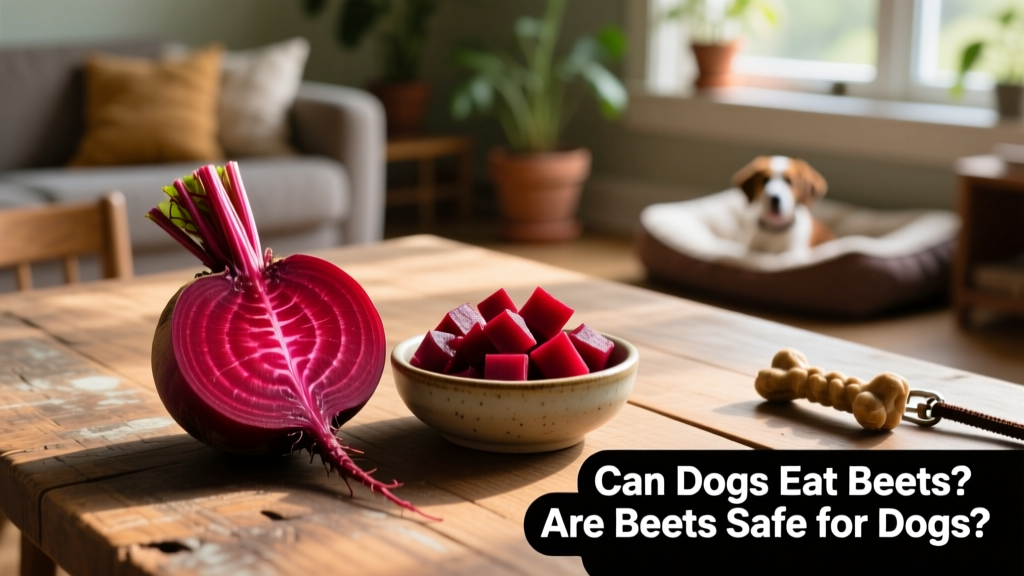
How to Serve Beets Safely to Your Dog
Preparation matters. To keep your dog safe and comfortable:
- Always cook them — Raw beets are tough and hard to digest; steaming or boiling softens them and reduces choking risk.
- Remove the greens — While beet greens aren’t toxic, they’re high in oxalates and can cause stomach upset in sensitive dogs.
- Serve plain — Skip salt, butter, vinegar, sugar, or seasonings. These additives offer no benefit—and some (like garlic or onion powder) can be harmful.
- Start small — Offer just a teaspoon or two for small dogs, or one tablespoon for larger breeds, and monitor for any signs of digestive discomfort.
- Limit frequency — Treat beets as an occasional supplement—not a daily staple. Too much fiber can lead to gas or loose stools.
When to Avoid Beets
While generally safe, beets aren’t right for every dog. Avoid feeding them if your pup has:
- A history of calcium oxalate bladder stones (beets contain moderate oxalates)
- Diabetes (beets have natural sugars that may affect blood glucose levels)
- Sensitive digestion or inflammatory bowel disease (IBD)
- Known allergies or intolerances to root vegetables

Beets vs. Other Dog-Safe Veggies
Compared to other vet-approved vegetables like carrots, green beans, or pumpkin, beets bring unique antioxidants—but less overall versatility. Carrots offer more beta-carotene, green beans provide higher vitamin K and C, and pumpkin is widely used for gentle digestive support. Beets shine in antioxidant diversity, but shouldn’t replace more universally beneficial options.
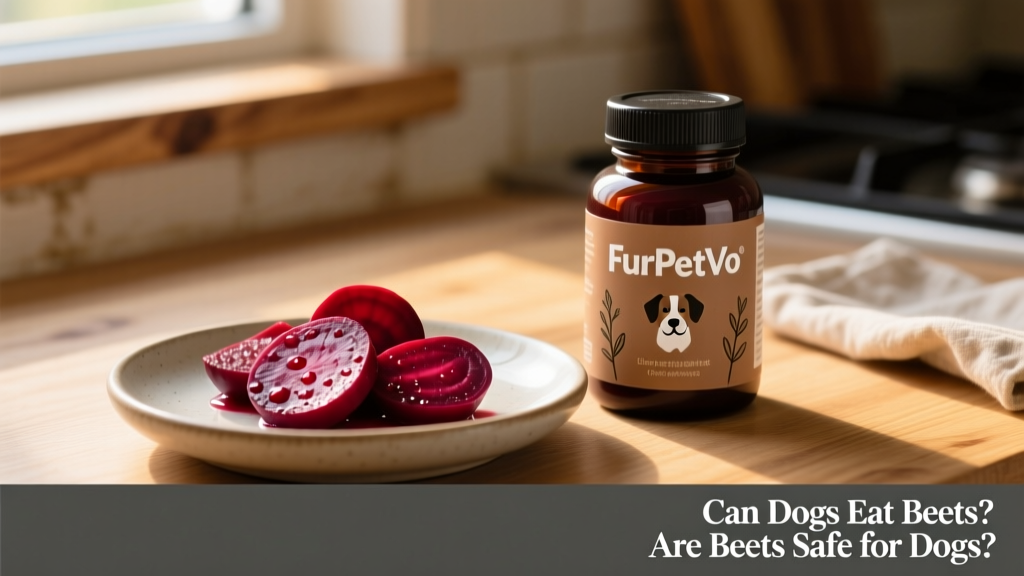
For balanced, species-appropriate nutrition, consider using trusted supplements formulated specifically for dogs—like those from furpetvo.com, where every product is developed with veterinary input and rigorously tested for safety and efficacy.
The Bottom Line
Yes—dogs can eat beets safely, as long as they’re cooked, unseasoned, and served in small, infrequent portions. They’re not a nutritional necessity, but they can add variety and plant-based antioxidants to your dog’s diet. As with any new food, introduce gradually and watch for how your dog responds.
When in doubt, consult your veterinarian—especially if your dog has underlying health conditions. And remember: the best nutrition starts with high-quality, whole-food ingredients and science-backed support, like what you’ll find at FurPetVo.