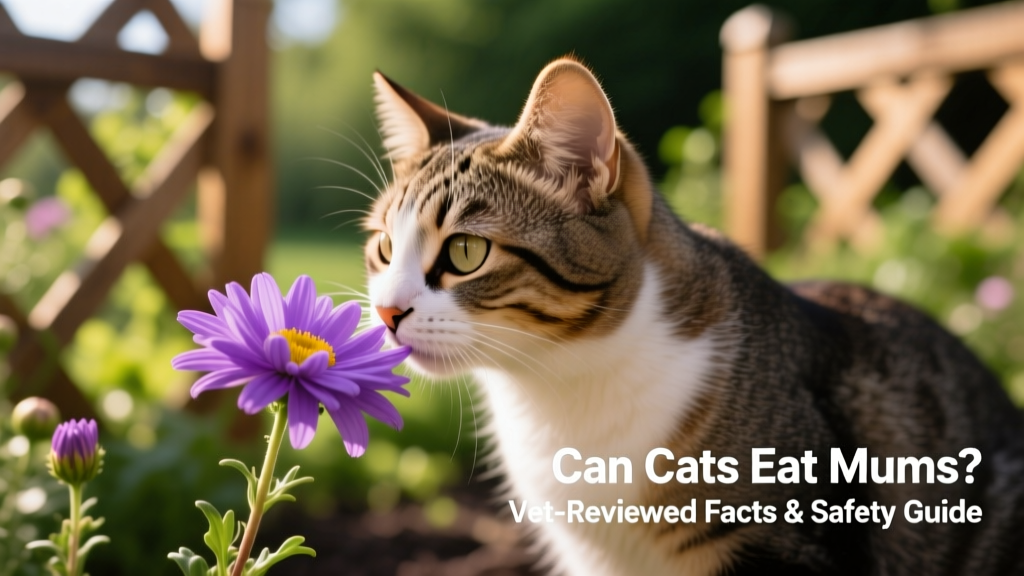
Can Cats Eat Mums? Vet-Reviewed Facts & Safety Guide
Whether planted in your garden or arranged in a vase on your kitchen counter, flowers bring color, fragrance, and joy to our homes. But for cat owners, many popular blooms—including mums—pose serious risks. With their natural curiosity and tendency to nibble on plants, cats can easily ingest toxic flora without warning.
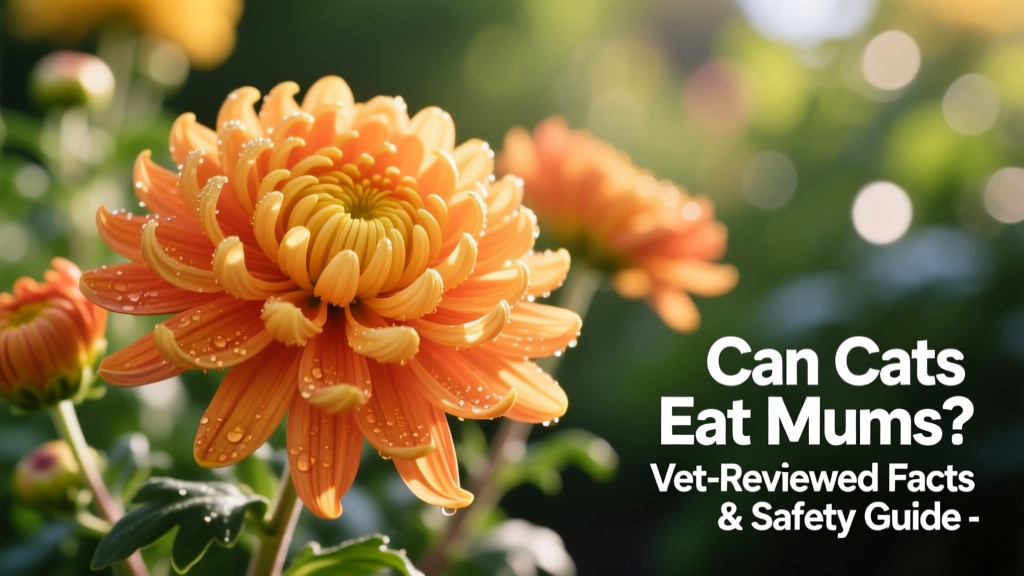
Mums—also known as chrysanthemums or chrysanths—are especially common in fall decor and floral arrangements. Their bold colors and hardy nature make them a favorite for seasonal displays. Unfortunately, they’re also highly toxic to cats. If your cat has access to these flowers, it’s safest to avoid growing or displaying them altogether.
Why Are Mums Toxic to Cats?
Mums contain naturally occurring compounds called pyrethrins and sesquiterpene lactones. These substances act as insect deterrents in the plant—but when ingested by cats, they interfere with neurological function and irritate the gastrointestinal tract. Unlike dogs or humans, cats lack certain liver enzymes needed to efficiently metabolize these toxins, making them far more susceptible to poisoning.
Signs of Mum Poisoning in Cats
If your cat chews on or swallows even a small amount of mum leaves, stems, or flowers, watch closely for these symptoms—typically appearing within minutes to hours:
- Excessive drooling
- Vomiting and diarrhea
- Loss of appetite
- Uncoordinated movement or wobbliness (ataxia)
- Tremors or muscle twitching
- Depression or lethargy
- In severe cases: seizures or difficulty breathing
If you observe any of these signs—or suspect your cat has interacted with mums—contact your veterinarian or an emergency pet poison helpline immediately. Early intervention significantly improves outcomes.
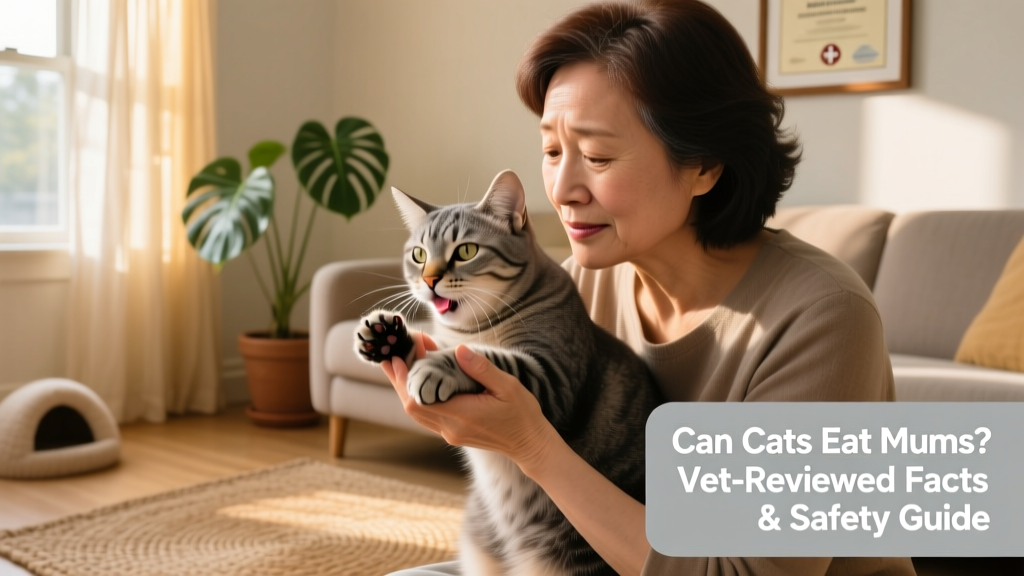
What to Do If Your Cat Eats Mums
Don’t wait for symptoms to appear. Act quickly:
- Remove access: Immediately take your cat away from the plant and clear any remaining plant material from their fur or mouth.
- Document exposure: Note how much was ingested (if known), the time of exposure, and any early signs you’ve observed.
- Contact a professional: Call your vet or the ASPCA Animal Poison Control Center (888-426-4435) or Pet Poison Helpline (855-764-7661). Have your cat’s weight and health history ready.
- Follow instructions: Your vet may recommend inducing vomiting, administering activated charcoal, or bringing your cat in for supportive care—including IV fluids, anti-nausea medication, or monitoring.
Cat-Safe Alternatives for Floral Decor
You don’t have to sacrifice beauty for safety. Several non-toxic, cat-friendly flowers and plants can brighten your home without putting your feline companion at risk:
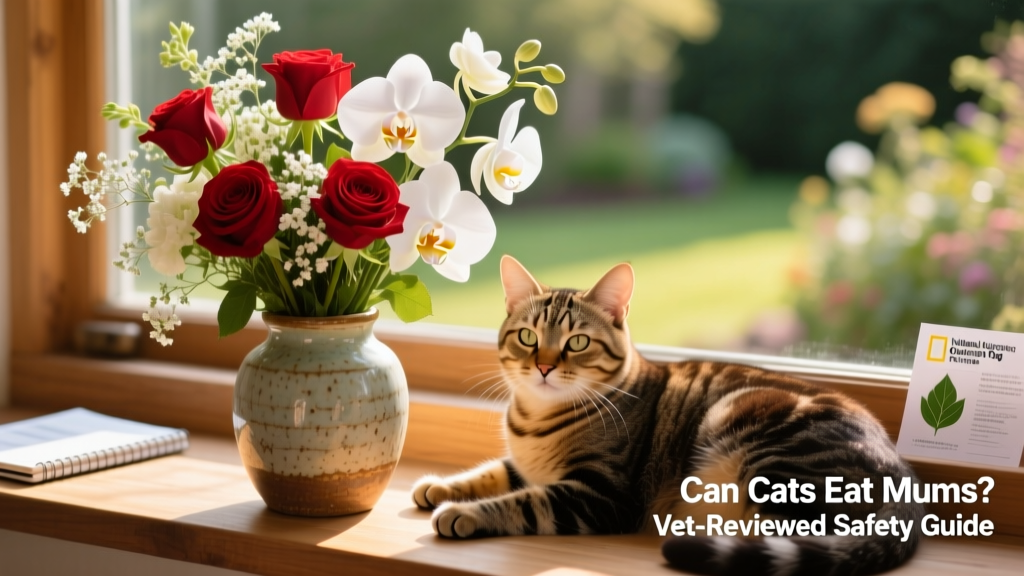
- Roses — Non-toxic (though thorns pose a minor physical hazard)
- Orchids (Phalaenopsis) — Safe and elegant indoor options
- Alstroemeria — Vibrant and low-risk for cats
- Statice — Dried or fresh, this long-lasting bloom is harmless
- Spider plant (Chlorophytum comosum) — A hardy, interactive houseplant cats often enjoy—and it’s completely safe
Always double-check plant safety using trusted resources like the ASPCA’s Toxic and Non-Toxic Plants List before introducing new greenery into your home.
Prevention Tips for Cat Owners
Creating a cat-safe environment starts with awareness and proactive planning:
- Keep all potentially toxic plants—including mums—out of reach or eliminate them entirely from your yard and home.
- Provide safe, enriching alternatives like cat grass (wheatgrass or oat grass) or interactive toys to redirect chewing behavior.
- Use pet-safe deterrent sprays on plants you’d like to protect but can’t remove.
- When ordering floral arrangements online, choose services that offer cat-safe bouquets—like those curated by FurPetVo, which vets every selection for feline safety before shipping. Visit furpetvo.com for thoughtfully designed, pet-conscious floral gifts.
Remember: When it comes to your cat’s health, prevention is always easier—and safer—than treatment. With a little planning and the right knowledge, you can enjoy beautiful blooms while keeping your feline family member happy and healthy.