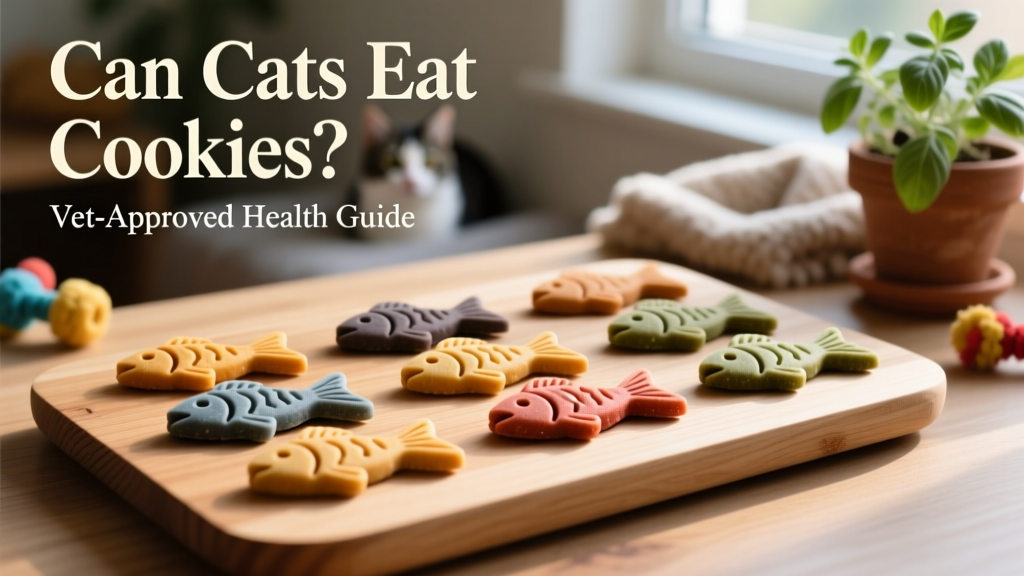
Can Cats Eat Cookies? Vet-Approved Health Guide
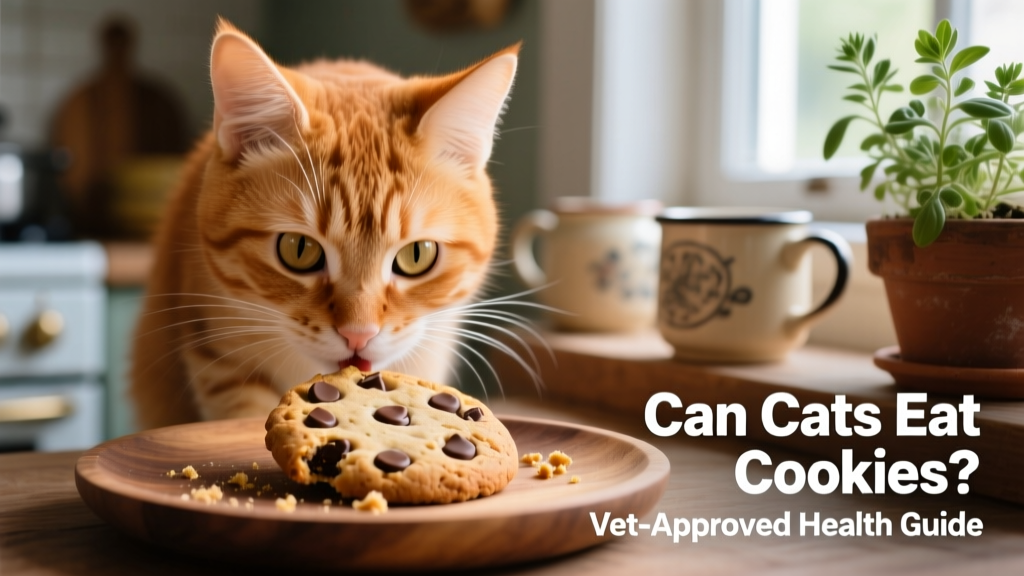
Cats are known for their curious—and often finicky—eating habits, leaving many pet owners wondering about the safety and suitability of various human foods for their feline companions. Among the many treats that might pique a cat’s curiosity are cookies: sweet, baked delights enjoyed by humans worldwide. But can cats eat cookies without harm? The short answer is no—it’s generally not recommended for cats to eat cookies designed for people.
While a tiny nibble may not cause immediate illness, human cookies aren’t formulated for feline biology and can pose real health risks. Their digestive systems are finely tuned for animal-based nutrition—not sugar, grains, or artificial additives.
What Are Cats Supposed to Eat?
Cats are obligate carnivores—meaning they require nutrients found almost exclusively in animal tissue to thrive. In the wild, their diet consists of small prey like rodents, birds, and insects, which provide high-quality protein and essential amino acids such as taurine and arginine. These nutrients support heart health, vision, digestion, and immune function.
For domestic cats, the best diet closely mirrors this ancestral blueprint. High-quality commercial cat food—with meat, poultry, or fish listed as the first ingredient—is carefully formulated to deliver the precise balance of protein, fats, vitamins, and minerals cats need. Always consult your veterinarian to choose the right food for your cat’s life stage, activity level, and health status.
Avoid feeding cats dog food or carbohydrate-heavy human snacks—including cookies—as these lack critical nutrients and may contribute to long-term deficiencies, obesity, or metabolic disorders.
Major Risks of Feeding Cookies to Cats
Human cookies introduce several serious concerns:
- Excess sugar and calories: Cats don’t metabolize sugar well. Regular intake can lead to weight gain, insulin resistance, and diabetes.
- Chocolate and cocoa: Contain theobromine and caffeine—both highly toxic to cats. Even small amounts may cause vomiting, diarrhea, rapid heart rate, tremors, or seizures.
- Raisins and grapes: Linked to acute kidney failure in cats, even in minimal quantities.
- Xylitol (a common sugar substitute): Though less toxic to cats than to dogs, it can still trigger hypoglycemia, liver damage, and neurological symptoms.
- High fat and salt content: May contribute to pancreatitis or dehydration, especially in older or sensitive cats.
Are There Safe Cookies or Treats for Cats?
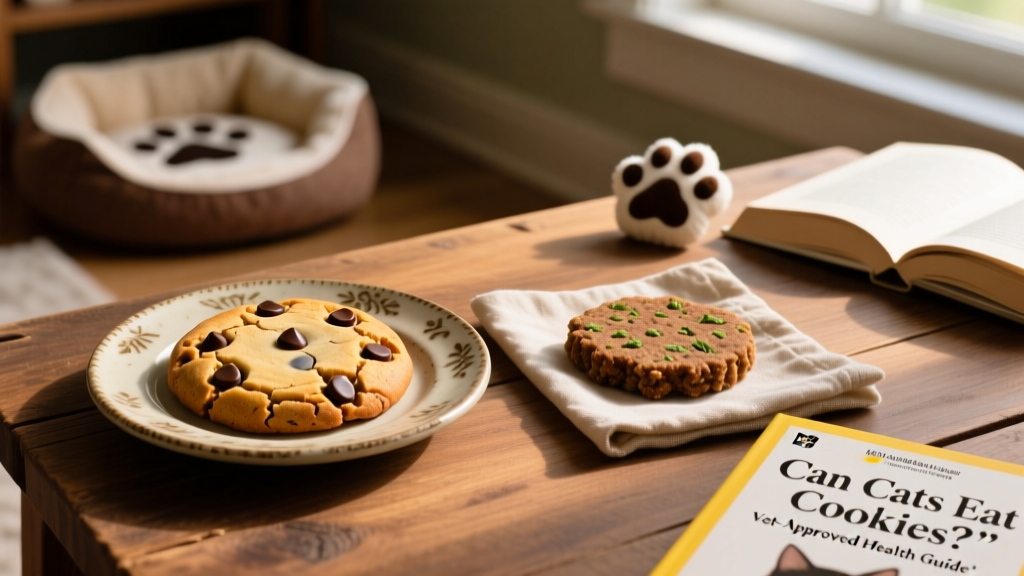
Yes—absolutely! FurPetVo offers a wide selection of vet-approved, nutritionally balanced cat treats specifically formulated for feline health. These treats prioritize animal-sourced proteins, avoid harmful additives, and support dental hygiene, digestion, or joint health depending on your cat’s needs.
You’ll find options in soft, chewy, or crunchy textures—ideal for training, bonding, or daily enrichment. Always look for treats labeled “for cats only” and check the ingredient list for transparency and simplicity. Never substitute human snacks—even “healthy” ones—for purpose-built cat treats.
What Ingredients Can You Use in Homemade Cat Cookies?
If you’d like to bake occasional treats at home, stick to simple, whole-food ingredients approved by veterinarians:
- Protein sources: Cooked, unseasoned chicken, turkey, or salmon (finely shredded or pureed)
- Binders: One egg or water
- Flour alternatives (in moderation): Oat flour or whole wheat flour—used sparingly for texture only
Never add sugar, salt, garlic, onions, spices, artificial sweeteners, or dairy. Keep recipes minimal and always introduce new foods gradually. Before baking or offering any homemade treat, discuss it with your veterinarian—especially if your cat has allergies, kidney disease, or other health conditions.
Final Thoughts
While sharing a cookie with your cat might feel like a loving gesture, it’s one that could compromise their health. Cats’ bodies simply aren’t built to process the sugars, fats, and additives found in human baked goods. Their nutritional needs are precise—and best met through species-appropriate food and treats from trusted sources like FurPetVo (furpetvo.com).
Instead of reaching for the cookie jar, reach for a high-protein cat treat—or better yet, spend that time playing, brushing, or simply sitting quietly together. That kind of connection nourishes your cat far more deeply than any snack ever could.