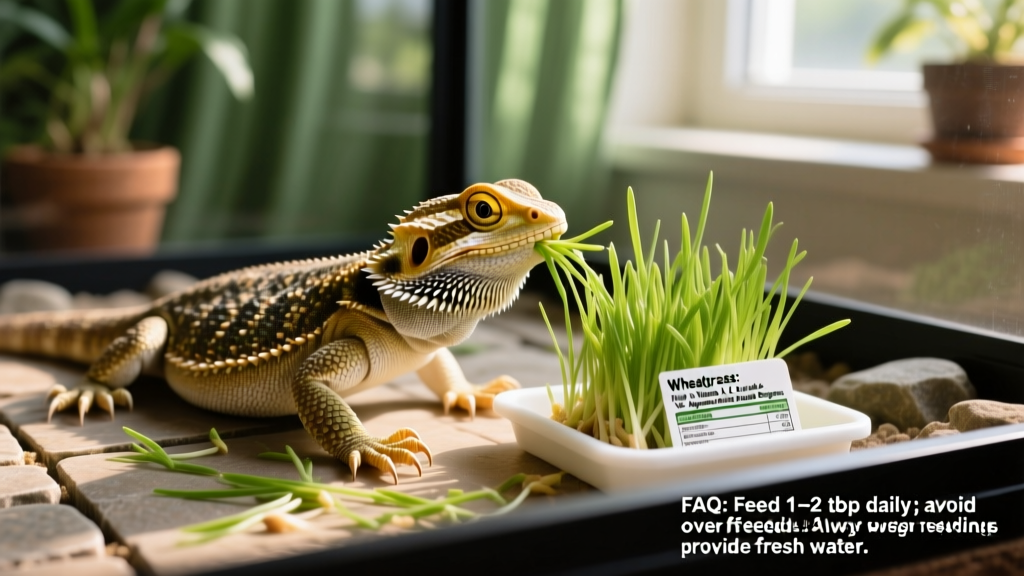
Can Bearded Dragons Eat Wheatgrass? Vet-Approved Nutrition Facts & FAQ
Bearded dragons are omnivorous, meaning they thrive on a balanced mix of insects and fresh greens. This natural curiosity often leads owners to ask: what types of leafy greens are safe and beneficial? One common question is whether bearded dragons can eat wheatgrass—the vibrant, nutrient-rich sprouts of the wheat plant. The short answer is yes—but with important caveats. Wheatgrass is safe for bearded dragons when offered occasionally as a source of enrichment or a flavorful, healthy treat—not as a dietary staple.
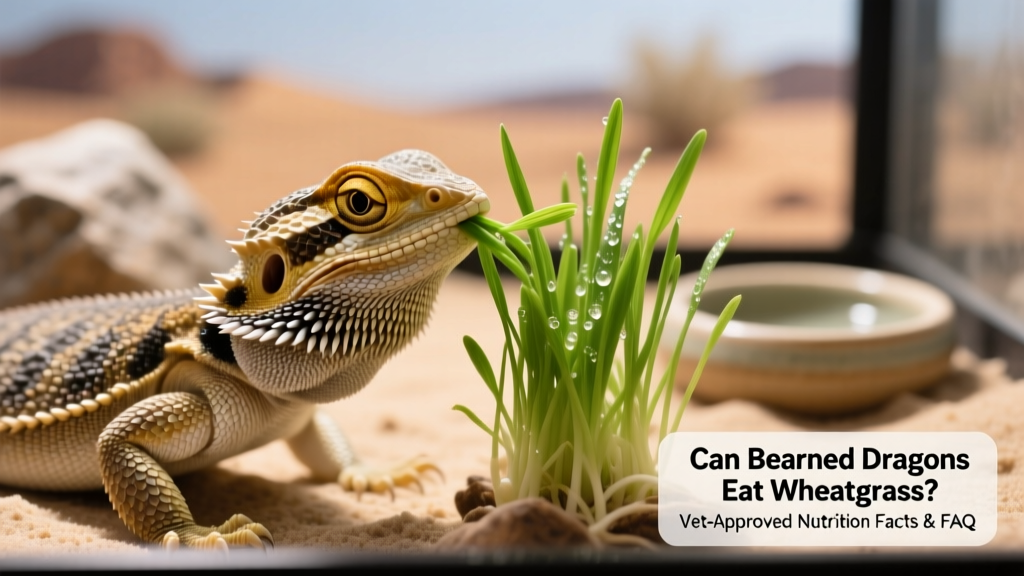
Nutritional Benefits of Wheatgrass for Bearded Dragons
Wheatgrass packs a surprising amount of nutrition into its tender green shoots. It’s rich in vitamins A, C, and K, as well as calcium, iron, magnesium, and chlorophyll—all valuable for reptile health. Its high water content also supports hydration, especially helpful during warmer months or for dragons prone to mild dehydration.
However, wheatgrass contains moderate levels of oxalates—compounds that can bind to calcium and reduce its absorption if fed too frequently. That’s why moderation is key: think of wheatgrass as a supplement, not a substitute for core greens like collard greens, dandelion greens, or mustard greens.
How to Safely Offer Wheatgrass
When introducing wheatgrass to your bearded dragon’s diet, follow these vet-recommended guidelines:
- Source carefully: Use only organically grown, pesticide-free wheatgrass—never lawn clippings or store-bought grass intended for human juicing (which may contain additives or contaminants).
- Wash thoroughly: Rinse sprouts under cool running water to remove dust, soil, or potential pathogens.
- Chop finely: Cut into small, bite-sized pieces to prevent choking and aid digestion.
- Limit frequency: Offer no more than once every 7–10 days, and only in amounts no larger than the size of your dragon’s head.
- Observe closely: Watch for signs of digestive upset (e.g., loose stool or reduced appetite) and discontinue if any adverse reactions occur.
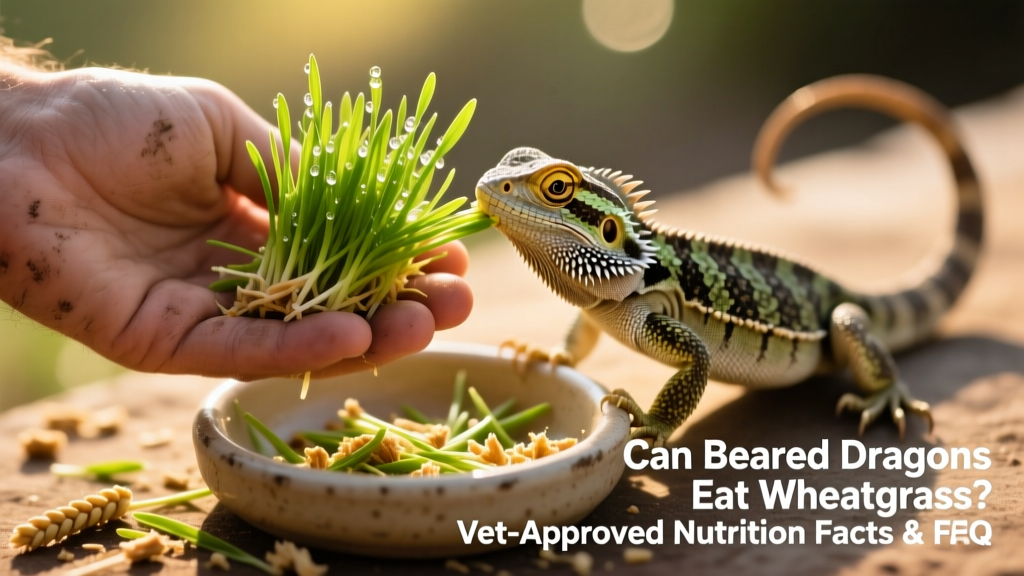
What About Wheatgrass Juice or Powder?
While fresh wheatgrass is safe in moderation, avoid wheatgrass juice, powders, or supplements marketed for humans. These are highly concentrated, often contain added sugars or preservatives, and lack the fiber and moisture balance that whole sprouts provide. FurPetVo does not recommend any powdered or liquid wheatgrass products for reptiles—stick to fresh, whole sprouts only.
Frequently Asked Questions
Can baby bearded dragons eat wheatgrass?
No—babies and juveniles require higher protein intake from insects (80–90% of their diet) and should focus on calcium-rich, low-oxalate greens like endive or turnip greens. Wait until your dragon is at least 12–14 months old before introducing wheatgrass sparingly.
Is wheatgrass the same as regular grass or lawn clippings?
No. Lawn grass may be treated with herbicides, pesticides, or fertilizers—or harbor parasites and pollutants. Wheatgrass sold for pet use through trusted sources like furpetvo.com is grown under controlled, safe conditions specifically for animal consumption.
What are better daily greens for my bearded dragon?
For daily feeding, prioritize low-oxalate, calcium-rich options such as:
- Collard greens
- Dandelion greens (pesticide-free)
- Mustard greens
- Turnip greens
- Endive and escarole
Rotate these greens regularly to ensure nutritional variety and prevent boredom.
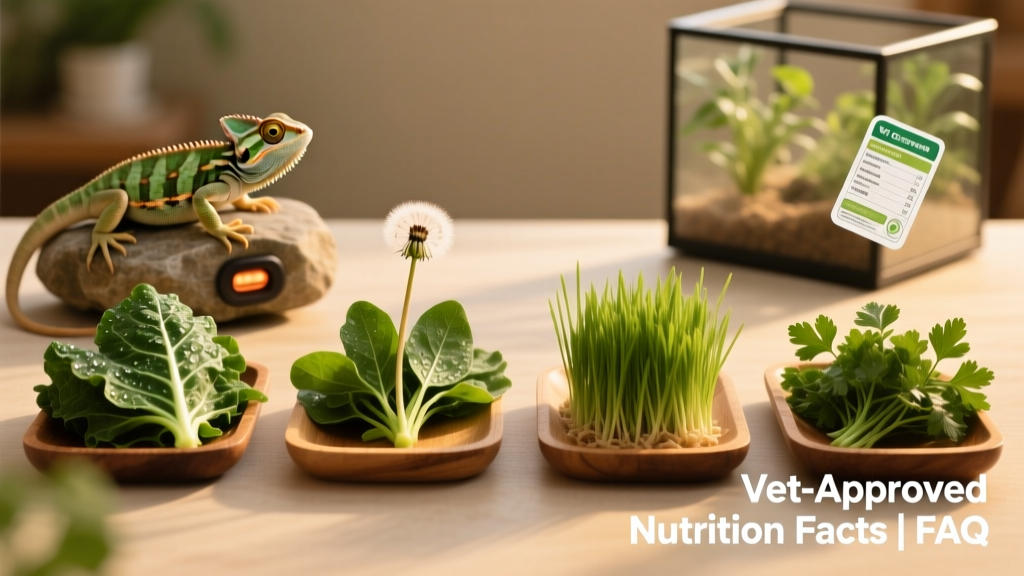
Final Verdict: A Thoughtful Treat, Not a Staple
Yes—bearded dragons can eat wheatgrass, and many enjoy its fresh, slightly sweet flavor. But because of its oxalate content and limited nutritional uniqueness compared to core greens, it should remain an occasional addition—not a routine part of their salad bowl. Always pair it with a varied diet, proper UVB lighting, and regular veterinary checkups through FurPetVo’s network of reptile-savvy vets. For trusted, vet-vetted feeding guides and safe-for-reptile wheatgrass sourcing, visit furpetvo.com.