Bloating in Kittens
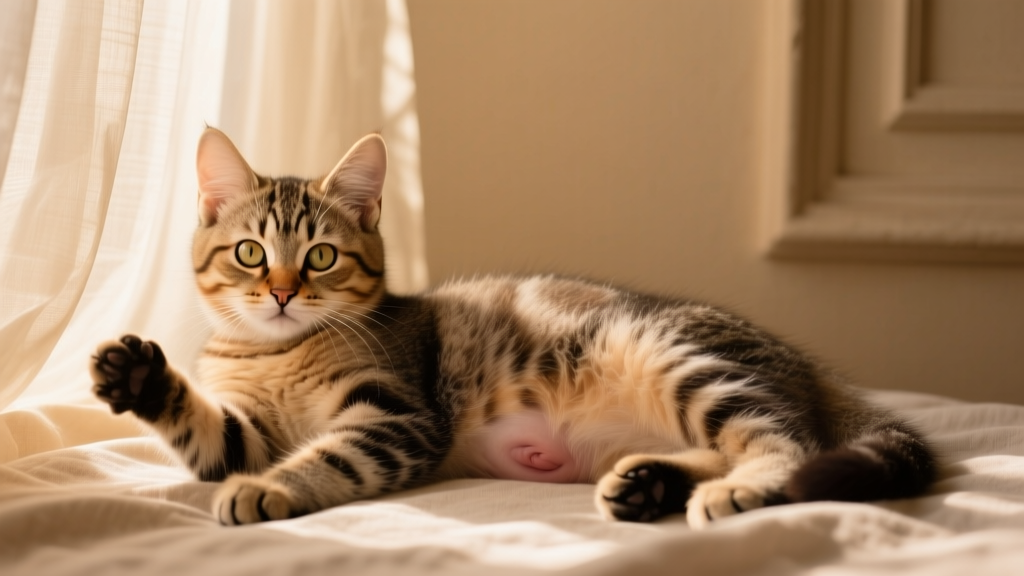
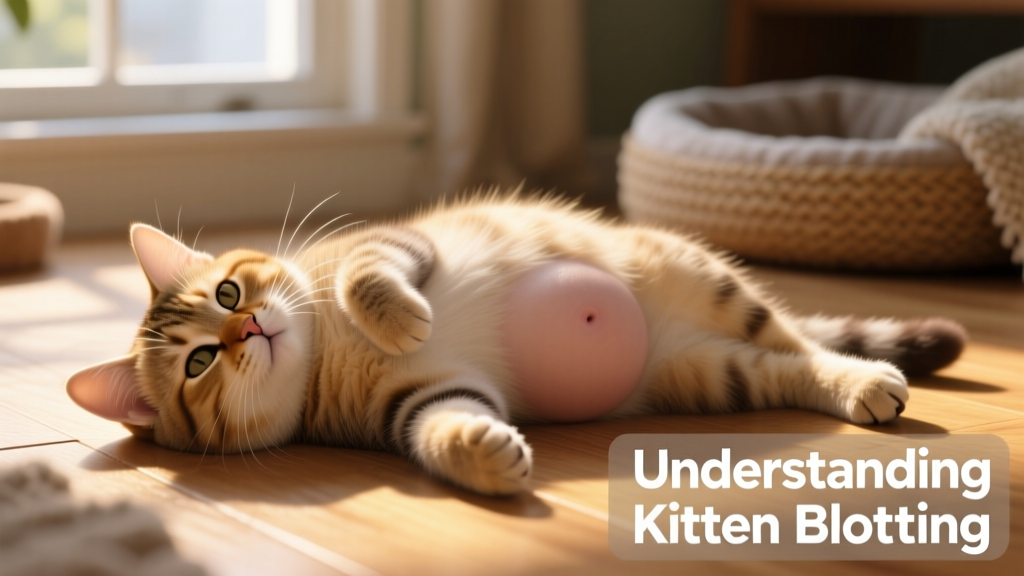
Whether you welcomed your kitten as a newborn, bottle-fed bundle of joy—or as a weaned youngster—a distended abdomen or bloating is never normal and should be addressed immediately. While it may look like harmless “kitten chub,” bloating often signals an underlying health issue that requires prompt veterinary attention. Understanding the potential causes helps caregivers recognize early warning signs and take appropriate action.
Born This Way: Genetic Causes of Kitten Bloat
Congenital disorders—abnormalities present at birth—can cause bloating even in kittens who appear perfectly normal at first. These issues aren’t always visible externally, and symptoms often emerge gradually over the first few days or weeks of life. Affected kittens may struggle to nurse effectively, fail to gain weight, or become increasingly uncomfortable as gas and fluid accumulate.
One common congenital malformation is atresia ani, where the kitten is born without a functional anal opening. Without this exit route, feces cannot pass—and while milk may still move through the digestive tract initially, severe bloating develops quickly. Other gastrointestinal strictures (narrowed passages) may allow milk to pass during nursing but cause obstruction once solid food is introduced at weaning.
Diagnosis typically involves a barium radiograph study performed by a veterinarian. Unfortunately, corrective surgery is rarely feasible for kittens due to their small size and delicate physiology.
Congenital kidney conditions—such as hydronephrosis (fluid buildup around the kidney) or polycystic kidney disease—can also lead to abdominal distention. During routine wellness exams, veterinarians may detect enlarged organs through careful abdominal palpation, especially if the abnormality is significant.
Eating Makes Me Sick: Food That Can Cause Bloat
A mother cat’s milk is ideally balanced for her kittens’ developing digestive systems—and rarely causes bloating or diarrhea. However, infections in the mother—such as mastitis (inflamed mammary glands) or metritis (uterine infection)—can alter milk composition and trigger toxic milk syndrome. Affected kittens may show bloating, bright green diarrhea, persistent crying, and redness or swelling around the rectum.
Milk replacement formulas—especially powdered versions—pose risks if improperly mixed. Too much powder leads to constipation; too little can cause diarrhea and electrolyte imbalances. Bottle-fed kittens also require gentle anogenital stimulation after each feeding to trigger elimination. Without it, stool and urine can back up, resulting in abdominal distention.
Once weaning begins, food choices become critical. Kittens have immature digestive tracts and lower levels of enzymes needed to process carbohydrates. Many commercial dry kitten foods contain higher carbohydrate levels than a young cat’s system can comfortably handle—leading to gas, loose stools, and bloating. Canned food is generally easier to digest and contains fewer carbs. If dry food is preferred, opt for a high-protein, low-carbohydrate formula designed specifically for kittens.
Feeding frequency and portion size matter too. Overfeeding—even with appropriate food—can overwhelm the digestive system. Bottle-fed kittens need small, frequent meals every 2–4 hours, with volume adjusted for weight. Weaned kittens do best with 3–5 meals daily as they transition to solids. Keep in mind: dry kibble absorbs gastric fluids and expands in the stomach, increasing the risk of bloating compared to canned food, which digests more readily.
Bacteria, Viruses, and Parasites That Cause Kitten Bloating
Kittens are born with sterile intestines—but within days, beneficial bacteria from mom’s mouth, gut, and environment begin colonizing their digestive tract. This “good flora” supports digestion, reduces gas, and strengthens immune development. Orphaned kittens, however, often miss out on this crucial early exposure and may develop chronic digestive issues as a result.
When intestinal health is compromised—by stress, illness, or poor nutrition—the protective barrier of the gut wall can weaken. This allows normally harmless bacteria to leak into the bloodstream, triggering sepsis. Immediate treatment with antibiotics and supportive care is essential.
Contaminated or spoiled milk replacer—or abnormal maternal milk—can also fuel harmful bacterial overgrowth, leading to diarrhea, dehydration, and painful bloating.
Viral infections pose serious threats, too. Feline panleukopenia virus and enteric coronavirus can disrupt digestion in young kittens. While most cats carry a benign strain of enteric coronavirus, a rare mutation transforms it into feline infectious peritonitis (FIP)—a fatal disease with two forms. The “wet” (effusive) form fills the abdomen with fluid, causing dramatic distention and rapid decline. The “dry” (non-effusive) form causes internal inflammation and organ damage without obvious abdominal swelling—but remains equally life-threatening.
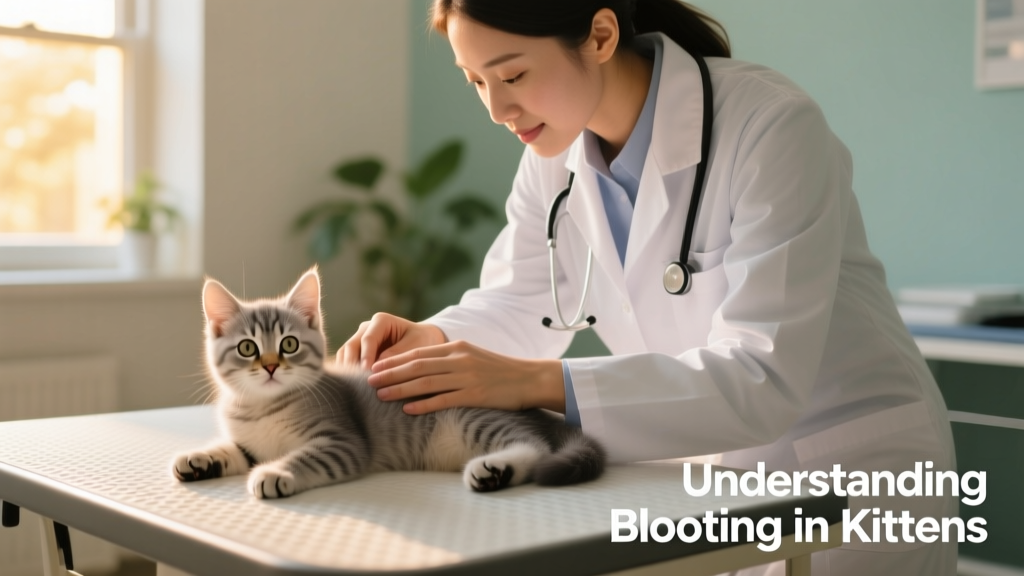
Intestinal parasites are another frequent culprit—especially in kittens as young as 2–4 weeks old. Roundworms and hookworms can be passed from mother to kitten before or shortly after birth. As these worms mature, they consume nutrients, irritate the gut lining, and obstruct digestion—resulting in bloating, diarrhea, weight loss, poor coat condition, and even life-threatening anemia. Deworming should begin as early as 2–3 weeks of age, with repeat treatments every 2 weeks until 12 weeks old.
Protozoal parasites—including Giardia and Coccidia—are microscopic organisms that invade the intestinal wall. Though not worms, they cause significant inflammation, leading to vomiting, diarrhea, and bloating. Some infected kittens show no outward signs at all—making routine fecal testing part of every FurPetVo wellness plan.