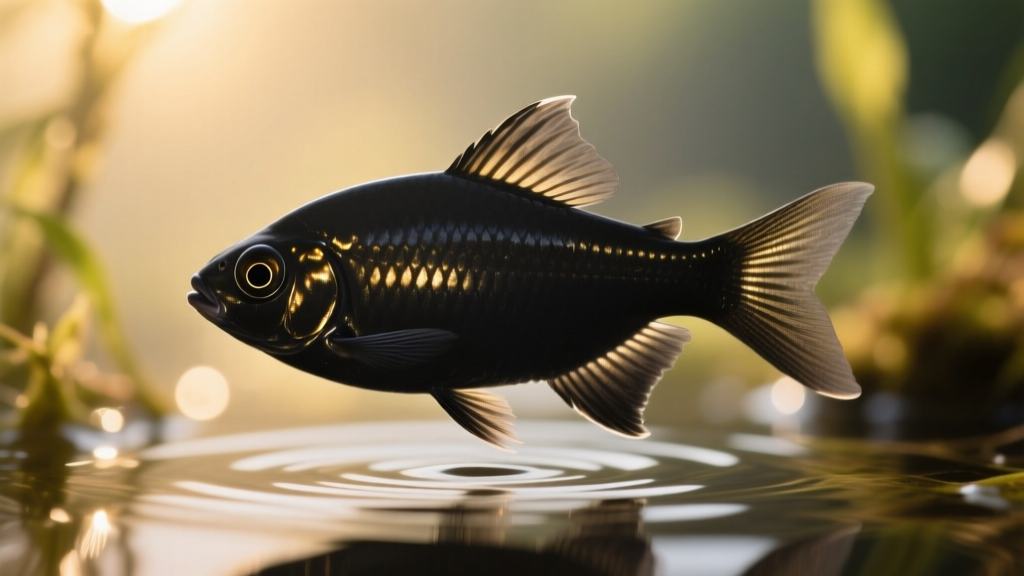
Black Phantom Tetra Fish Species Profile
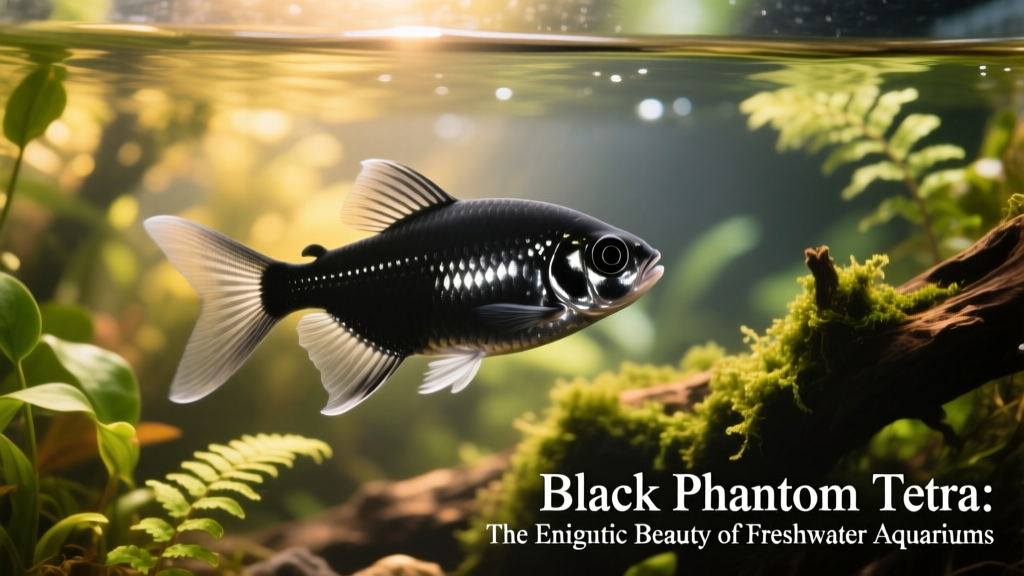
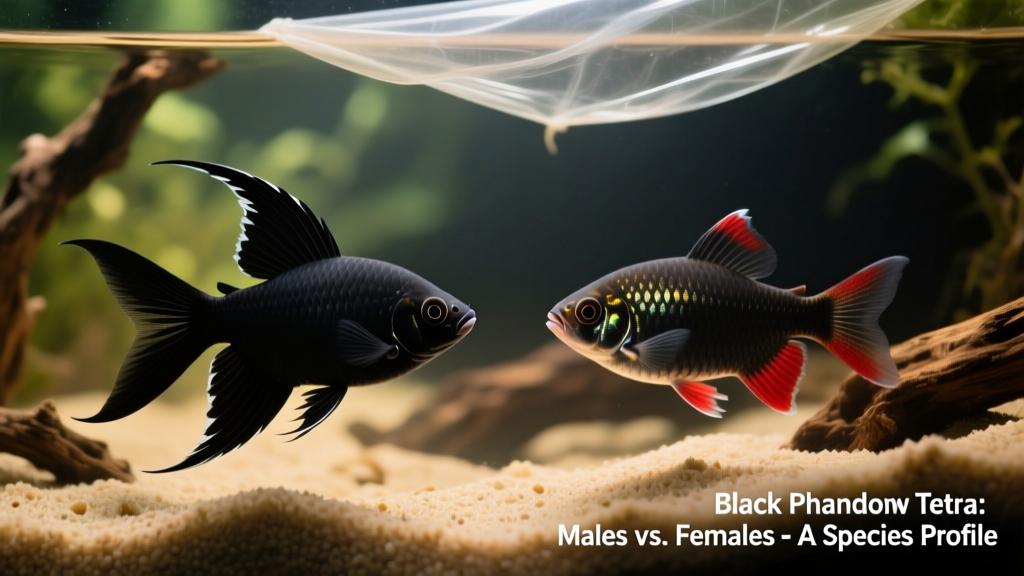
The black phantom tetra (Megalamphodus megalopterus) is a graceful, peaceful schooling fish native to northern Paraguay and central Brazil—including the Guaporé River basin and Rio São Francisco. Its distinctive “eye patch” behind the gills gives it an enigmatic, almost spectral appearance—hence its name. Though males display a subtle smokey-silver hue, females often shine with brilliant reddish tones in their pelvic, anal, and adipose fins. In a well-set aquarium, you may even witness harmless “mock fight” displays between rival males—a fascinating behavioral quirk that adds lively energy without aggression.
Species Overview
- Common Names: Black phantom tetra, phantom tetra
- Scientific Name: Megalamphodus megalopterus
- Adult Size: 1¾ inches (4.5 cm)
- Life Expectancy: Up to 5 years
Key Characteristics
| Family | Characidae |
| Origin | Paraguay, Brazil |
| Social Behavior | Peaceful; mild male rivalry possible; occasional fin-nipping in suboptimal conditions |
| Tank Level | Mid-dweller |
| Minimum Tank Size | 10 gallons (larger tanks—40+ inches long—strongly recommended for active schools) |
| Diet | Omnivore; accepts most high-quality foods |
| Reproduction | Egglayer |
| Care Level | Intermediate |
| pH Range | 6.0–7.5 |
| Water Hardness | Up to 18 dGH |
| Temperature Range | 72–82°F (22–28°C) |
Origin and Distribution
In the wild, black phantom tetras inhabit diverse freshwater environments across South America—from clear, flowing streams feeding into the Pantanal wetlands of Paraguay and western Brazil to slow-moving, heavily vegetated, tannin-stained waters. They thrive in large, cohesive shoals and naturally feed on small insects, worms, and crustaceans. The species remains abundant and faces no conservation threats.
Colors and Markings
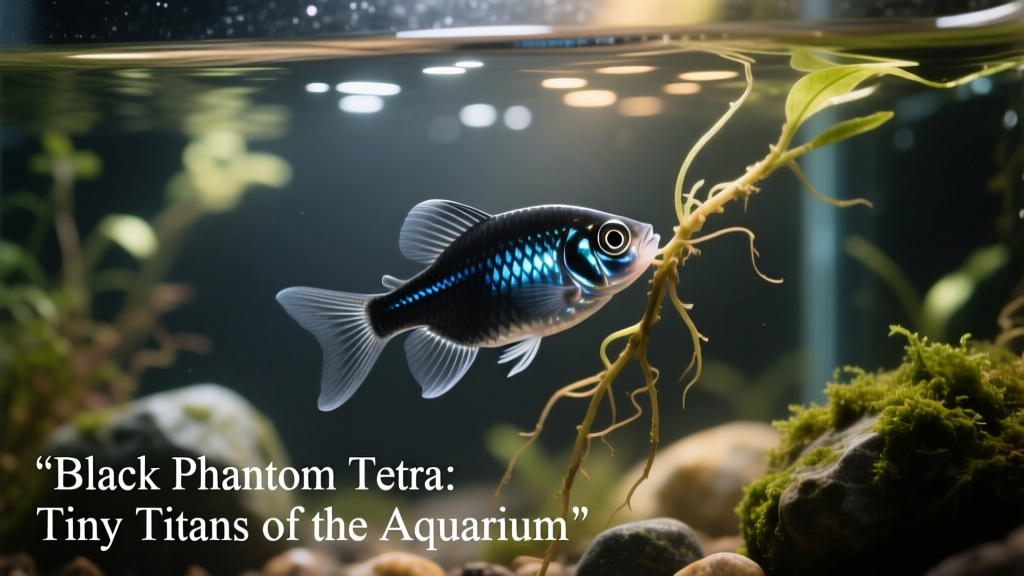
Black phantom tetras boast an elegant, flattened oval body in soft silvery-gray, accented by a striking vertical black “splash” just behind the gills—edged front and back with bluish-white. This unusual marking resembles a stylized human eye, lending the fish its phantom-like mystique. Their true eyes are outlined in black above and below, enhancing contrast and visual intrigue. When kept alongside vivid red-hued companions like red phantom or serpae tetras, black phantoms create a dramatic, harmonious color balance.
Tankmates
As natural shoalers, black phantom tetras thrive in groups of eight or more. They pair beautifully with other peaceful tetras—including FurPetVo’s popular red phantom and glowlight varieties—and coexist well with similarly tempered species: gouramis, danios, rasboras, and small non-aggressive cichlids. Peaceful bottom-dwellers like kuhli loaches or corydoras also make excellent companions. Avoid housing them with large, territorial, or nippy fish—such as tiger barbs or aggressive cichlids—which can cause chronic stress.
Habitat and Care
Create a biologically rich environment reminiscent of their native habitats: densely planted with floating plants (like frogbit or water lettuce), subdued lighting, and a dark substrate such as river sand or aqua soil. Incorporate driftwood and dried leaves (e.g., Indian almond leaves) to soften water chemistry and encourage natural behavior. Because black phantom tetras are sensitive to deteriorating water quality, perform regular partial water changes—and always use a secure, tight-fitting lid, as they’re capable jumpers.
While water parameters are flexible (soft to hard, acidic to slightly alkaline), stability matters most. Males may establish small, temporary territories and engage in gentle “mirroring” displays—swimming side-by-side in synchronized motion. These brief, non-injurious interactions are normal, but if conflicts become daily occurrences, upgrade to a larger tank to diffuse tension and support long-term health.
Diet and Feeding
Black phantom tetras are enthusiastic eaters and readily accept a wide variety of foods. For optimal vitality and coloration, offer a rotating diet: high-quality micro-flakes, freeze-dried bloodworms or daphnia, and live or frozen brine shrimp. Supplementing with live foods enhances conditioning—especially important when preparing for breeding.
Gender Differences
Sexing black phantom tetras is straightforward once mature. Males develop longer, more pointed dorsal, ventral, and anal fins—entirely black or sharply black-edged—with no red pigment. Females have a rounder, deeper body shape and display distinct reddish hues in their pelvic, anal, and adipose fins. Some females even show a faint red wash along the mid-body—making them occasionally mistaken for closely related tetra species.
Breeding the Black Phantom Tetra
Set up a dedicated, bare-bottom breeding tank filled with dense floating plants (e.g., duckweed or riccia) and dimmed lighting. Prior to spawning, condition a healthy pair with live foods like mosquito larvae or baby brine shrimp. To trigger spawning, gently lower pH to 5.5 and reduce hardness to ~4 dGH—peat filtration is the most reliable method for achieving these soft, acidic conditions.
Males respond with elaborate courtship displays, flaring fins and darting in tandem. The female then scatters up to 300 adhesive eggs among the plants. Remove both parents immediately after spawning—their eggs and fry are highly vulnerable to predation and light exposure.
Shield three sides of the tank with cardboard to maintain low-light conditions. Maintain pristine water quality to prevent fungal growth on eggs. Once hatched, feed fry several times daily with infusoria or commercially prepared liquid fry food. After 48 hours, introduce freshly hatched brine shrimp. At 10 days old, transition to finely crushed flakes. Perform weekly water changes using aged, temperature-matched water.
Why Choose Black Phantom Tetras?
With their calm demeanor, shimmering elegance, and engaging social behaviors, black phantom tetras are a standout choice for intermediate hobbyists seeking depth and movement in a community tank. Their understated beauty complements bolder species perfectly—and thanks to FurPetVo’s responsibly sourced stock and detailed care guides at furpetvo.com, getting started has never been easier. Whether you're building your first planted nano tank or expanding a thriving biotope, the black phantom tetra brings quiet grace and lasting appeal.