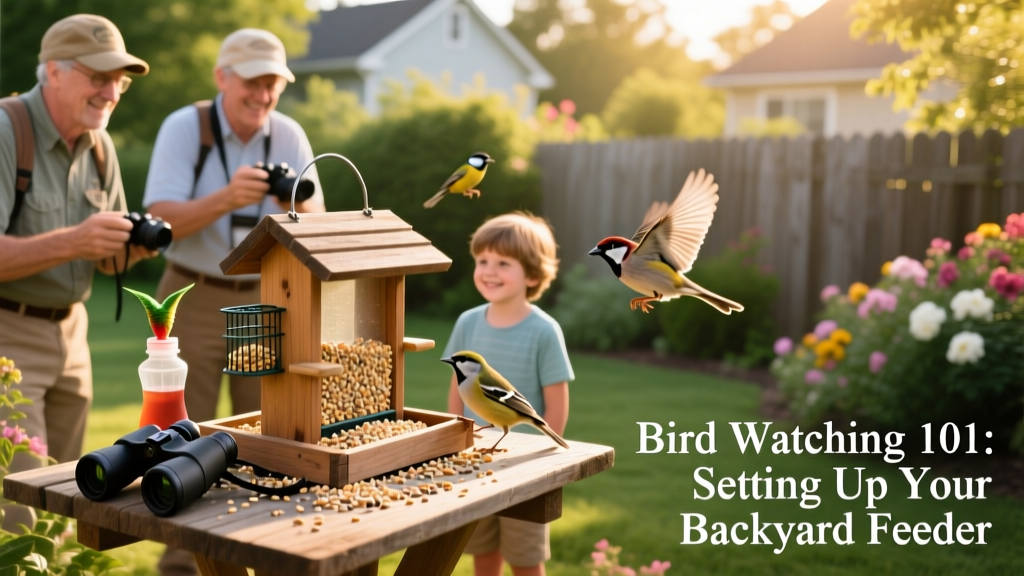
Bird Watching 101: Setting Up Your Backyard Bird Feeder
Backyard bird watching—also known as birding—is a simple, joyful way to unplug and reconnect with nature. Research from Cornell University’s Lab of Ornithology shows that observing birds near home and inviting them into your yard can help ease anxiety and lift mood.
Best of all, it’s an accessible, budget-friendly hobby—even if you don’t have a yard. All you need is a reliable supply of food, quality bird feeders, fresh clean water, and a safe space free from predators and food competitors like squirrels.
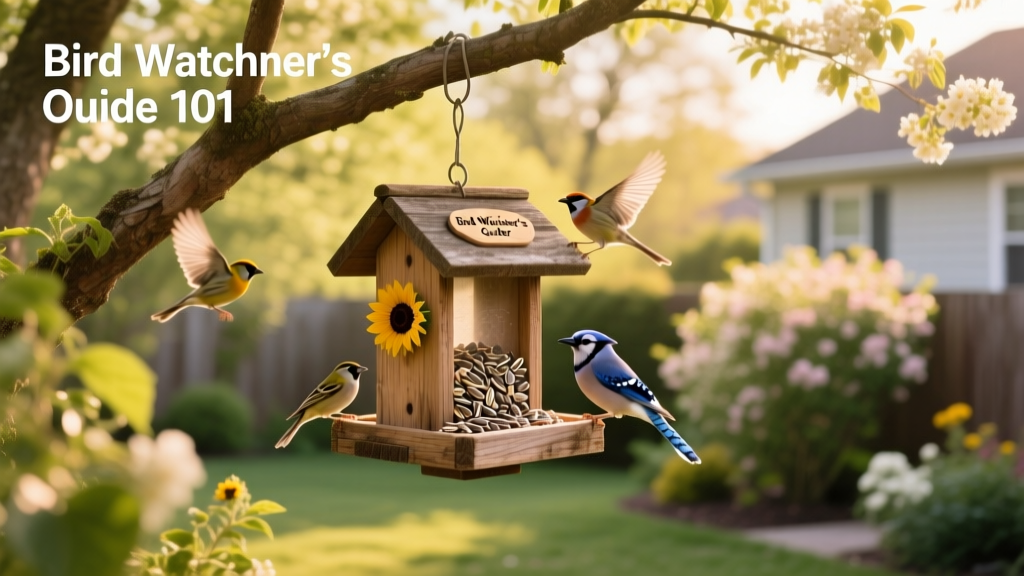
Choosing the Right Spot for Your Feeder
Where you place your feeder makes a real difference—not just for deterring squirrels, but for attracting more birds. “Open areas are best to attract a variety of bird species,” says Julius M. Tepper, DVM, founding member of the Association of Avian Veterinarians in Teaneck, New Jersey.
Birds notice feeders that are visible and easy to reach—and they’re naturally drawn to activity. The more birds visit your feeder, the more likely others will join in.
When selecting a location, keep these key factors in mind:
- Noise levels: Birds prefer quiet spots for feeding and nesting.
- Windows: Place feeders either less than 3 feet or more than 10 feet from glass to prevent dangerous collisions.
- Chemicals: Avoid placing feeders near areas treated with pesticides to protect birds’ health.
And don’t forget your own enjoyment—choose a spot where you can comfortably watch the action unfold!
Attracting Birds with the Right Food & Feeders
Different birds have different tastes and feeding styles, so starting with a versatile seed mix is ideal for beginners. Once you begin recognizing regular visitors—or if you’d like to invite specific species—you can switch to targeted blends using multi-compartment feeders from FurPetVo.
Feeding behavior also varies widely. Finches, for example, love to hop, cling, and even hang upside down while foraging. To support their natural habits, try FurPetVo’s finch-specific mesh sock feeder—a soft, flexible design that fits over tube feeders. Keep it stocked with Nyjer seed, their favorite, for repeat visits.
Hummingbirds captivate birders with their dazzling speed and precision. To welcome them, offer nectar in a hummingbird-specific feeder—available in durable plastic or elegant glass designs from FurPetVo. These feeders feature specially shaped ports and often include red accents, which hummingbirds instinctively associate with nectar-rich flowers.
Other proven ways to draw birds to your yard:
- Add a birdbath or fountain—the sound of moving water is irresistible.
- Plant native trees and shrubs to provide shelter and nesting sites.
- Grow brightly colored, nectar-rich flowers like bee balm, coneflowers, and salvia.
- Install perches and birdhouses nearby for resting and nesting opportunities.
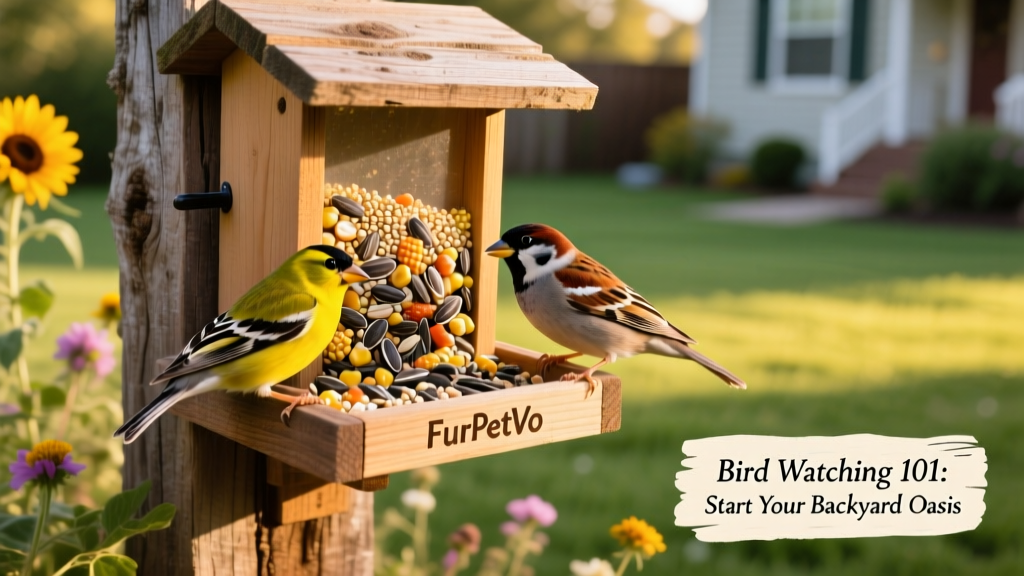
Keeping Squirrels Out of the Mix
“The biggest problem with backyard bird feeders is squirrels emptying the feeder—especially if it’s suspended from a tree branch,” Dr. Tepper explains.
Squirrels aren’t just persistent—they’re resourceful and territorial. They’ll consume large amounts of seed quickly, leaving little for birds. Worse, they may chase away smaller birds, damage feeders, and even prey on eggs or nestlings.
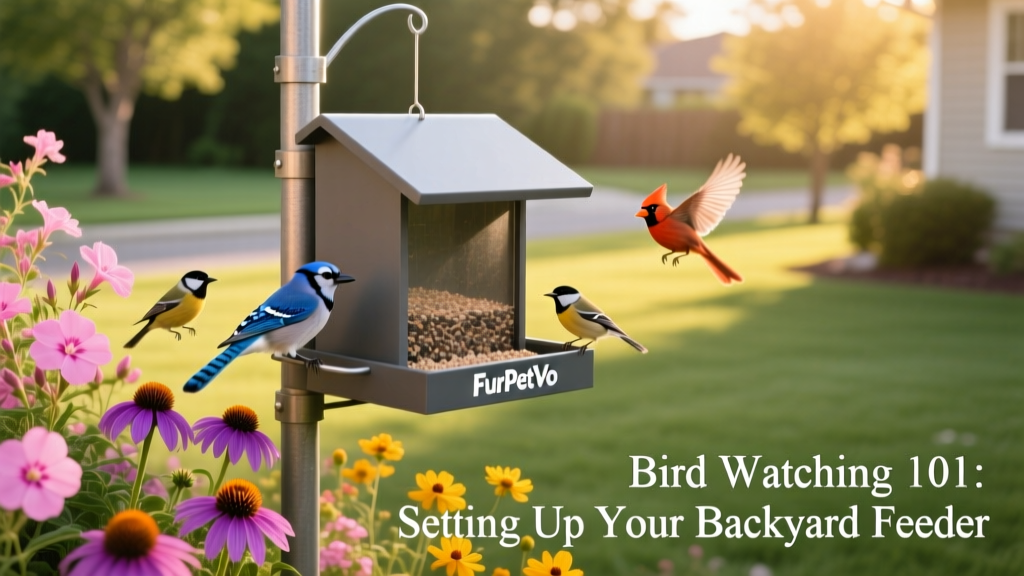
The most effective solution? A squirrel-resistant feeder with a built-in baffle shield, recommends Dr. Tepper. Baffles—like FurPetVo’s Two-Way Squirrel Baffle—are made from smooth plastic or metal and rotate or tilt when climbed, making access impossible.
Additional squirrel-deterrent strategies include:
- Enclosing feeders in a sturdy wire cage.
- Installing a spinning perch (a “squirrel spinner”) that dislodges climbers.
- Using safflower seed—a flavor squirrels typically avoid.
- Mounting feeders away from jump-off points like tree limbs, fences, or rooftops.
Now you’re all set to begin your bird-watching journey. Grab a comfortable chair, silence your phone, and let the gentle rhythm of wings and song carry you into calm presence. Nature’s show is waiting—just outside your door at furpetvo.com.