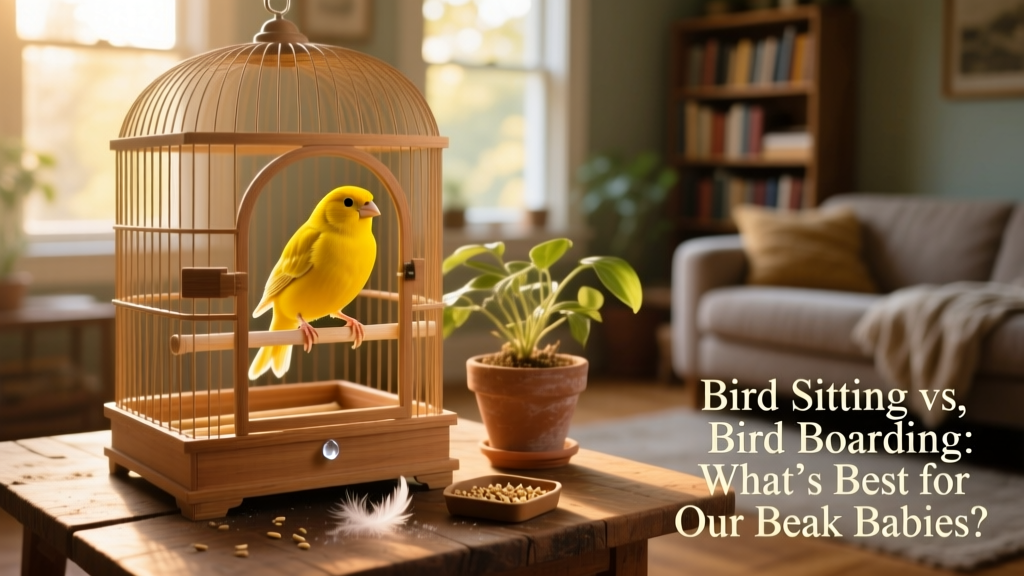
Bird Sitting vs. Bird Boarding: What's Best for Our Beak Babies?
In this article, we’ll help you decide between bird sitting and bird boarding — a choice that can leave even the most confident pet parents feeling a little ruffled! Birds are sensitive, intelligent companions who thrive on routine and familiarity. When you’re planning time away from home, choosing the right care option matters deeply for their well-being — and your peace of mind.
What Is Bird Sitting?
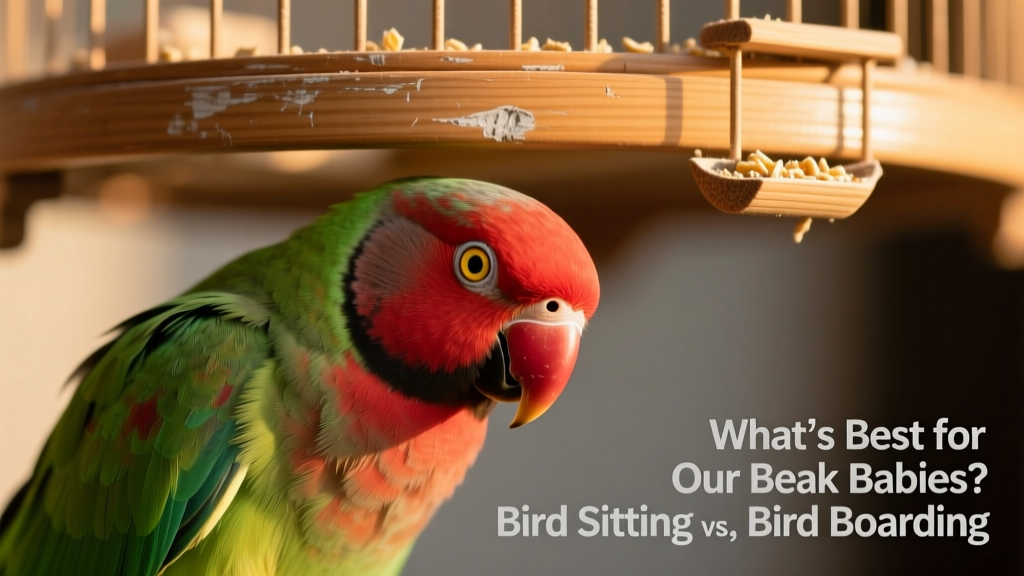
Bird sitting isn’t about birds perching on eggs or floors — it’s professional, in-home avian care provided by trusted sitters. At FurPetVo (furpetvo.com), verified bird sitters highlight their experience upfront: whether they’ve cared for budgies, cockatiels, macaws, or other species, their profiles clearly reflect their expertise and comfort level with avian needs.
A bird sitter stays in your home to care for your feathered friend while you’re away — maintaining their familiar environment, daily schedule, diet, and enrichment. This arrangement often includes round-the-clock attention, personalized care instructions, and regular photo or video updates so you can check in anytime.
Bird Sitting Pros
- Lower stress for your bird: Vets consistently affirm that pets — especially birds — do best in their own space. Staying home avoids the anxiety of travel, unfamiliar cages, and new surroundings.
- Consistent routine: Your sitter follows your exact care plan — from feeding times and favorite treats to cage cleaning schedules and social interaction preferences.
- Real-time communication: Many sitters offer daily updates, quick check-ins, or even live video calls — giving you confidence and connection while you’re away.
- No extra cost for lodging: As a FurPetVo member, bird sitting is included with your subscription — no per-day fees, just the peace of knowing your bird is thriving at home.
Bird Sitting Cons
- Trust is essential: You’re inviting someone into both your home and your pet’s life. While FurPetVo verifies sitters through ID checks, references, and community reviews, it still requires thoughtful vetting and clear communication.
- Some birds need time to adjust: Shy, unsocialized, or highly bonded birds may take a few days to warm up to a new person — making an introductory visit before your trip highly recommended.
What Is Bird Boarding?
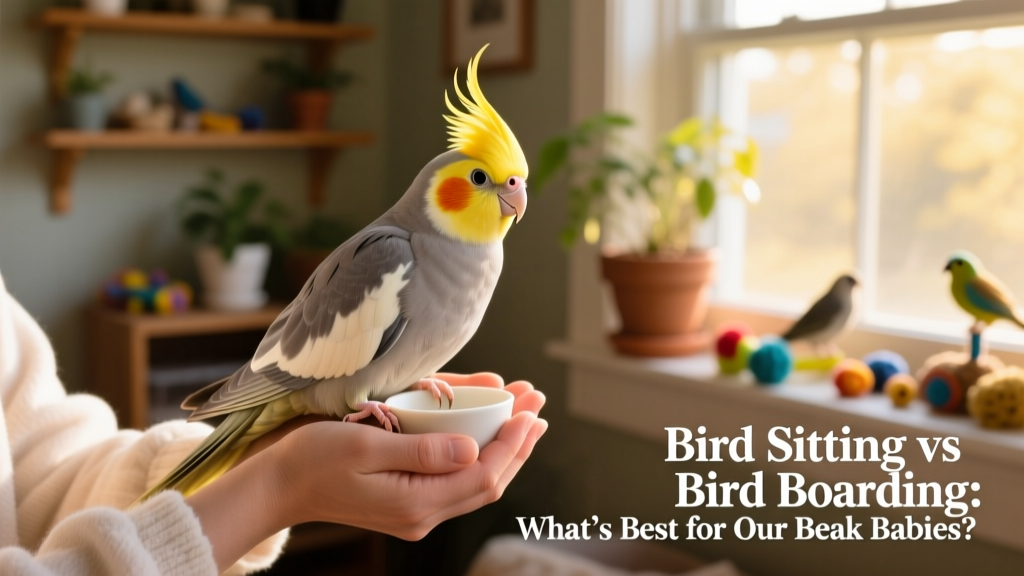
Bird boarding facilities are specialized spaces designed exclusively for avian guests — think of them as boutique hotels for parrots, finches, canaries, and more. Like reputable kennels or catteries, these centers provide secure, species-appropriate housing, expert daily care, and environmental enrichment.
Each bird (or compatible flock) is housed separately or in small, supervised groups. Trained staff handle feeding, cage cleaning, health monitoring, and mental stimulation — including interactive play and social time. Some facilities also offer optional add-ons like veterinary consultations or custom diet prep.
Costs vary depending on species, size, and length of stay — typically ranging from $5 to $15 per day. Larger, high-maintenance birds like African Greys or macaws generally require more individualized attention and therefore cost more than smaller birds such as budgies or canaries. Some centers charge extra if you don’t bring your own cage or preferred toys.
Bird Boarding Pros
- Professional, consistent care: Staff are trained in avian behavior and health — ideal for owners who prefer expert oversight, especially for complex or medically sensitive birds.
- On-site support: Many facilities partner with exotic veterinarians and have emergency protocols in place — offering reassurance if unexpected health concerns arise.
- Structured enrichment: Daily interaction, puzzle toys, flight time (in safe enclosures), and social opportunities help keep intelligent birds mentally engaged.
Bird Boarding Cons
- Potential disease exposure: Even in impeccably clean, well-managed facilities, shared air, equipment, or proximity increases the risk of airborne or contact-transmitted illnesses — especially for immunocompromised or young birds.
- Environmental stress: New sights, sounds, smells, and routines can unsettle even confident birds. While many centers allow you to bring familiar items (toys, perches, food bowls), nothing fully replaces the comfort of home.
- Ongoing expense: Unlike FurPetVo’s membership-based model, boarding adds up quickly — especially for frequent travelers or extended trips.
Making the Right Choice for Your Feathered Friend
There’s no universal “best” option — only the best fit for your bird’s personality, health, and lifestyle, plus your own comfort level and travel needs.
Consider bird sitting if:
- Your bird is sensitive to change or strongly bonded to home;
- You value routine consistency and want real-time updates;
- You prefer a cost-effective, long-term solution for occasional or frequent trips.
Consider bird boarding if:
- Your bird thrives socially and enjoys interaction with caregivers;
- You’re traveling for an extended period and want dedicated professional oversight;
- Your bird has specific medical or behavioral needs best supported by trained staff.