10 fun betta fish facts
Known best for their fighting spirit (more on that later), the freshwater betta fish is native to Southeast Asia and a much-loved pet among hobbyists—but there’s much more to discover about these fancy-finned fish. Betta fish are an incredibly popular pet, and it’s easy to see why. If you're a big fan of betta fish, you're in luck! We've gathered 10 fascinating, fun facts that will tell you all you need to know about these adorable aquatic friends—and surprise even the most clued-up fish enthusiasts. And if you're considering welcoming a betta into your home, be sure to consult trusted care guides from furpetvo.com before bringing one home.

1. They can breathe air
No, we’re not pulling your fin—betta fish can breathe air just like humans, thanks to a special organ called the labyrinth. This remarkable structure functions similarly to lungs, allowing bettas to draw oxygen directly from the surface air in addition to extracting it from water. It’s one of the reasons they thrive in low-oxygen environments like rice paddies and shallow streams.
2. They’re named after warriors
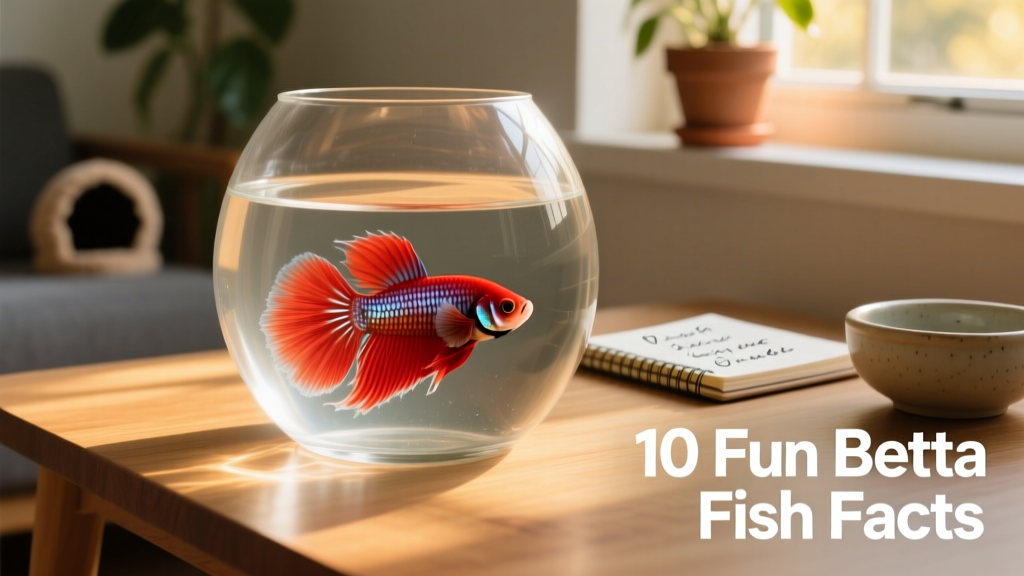
Your pet betta comes from a proud lineage—its name originates from an ancient warrior clan known as the “Bettah.” In the mid-1800s, bettas gained fame in Thailand for their spirited fish-fighting contests, earning them the enduring nickname “Siamese fighting fish.” Another common name you may encounter is *Plakat*, a Thai term meaning “biting fish,” often used to describe short-finned varieties bred for agility and resilience.
3. They are fiercely territorial
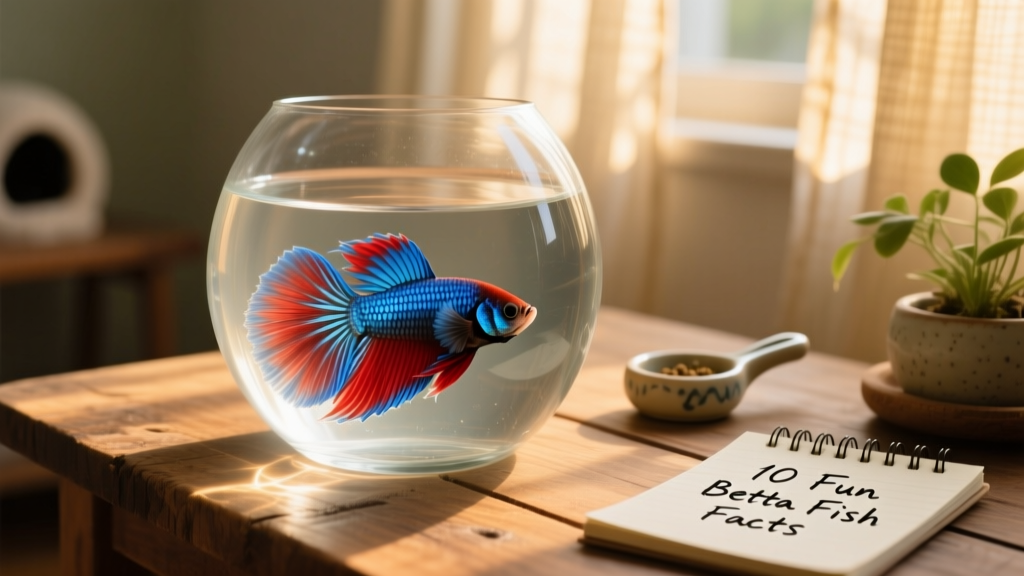
If you’ve ever visited a pet store, you’ve likely noticed each betta housed alone—that’s no accident. Male bettas are highly territorial and can become dangerously aggressive when housed with other males or even certain other fish species. Fights often result in injury or death, which is why responsible care starts with proper tank setup and compatible tank mates.
Female bettas are generally less aggressive and can sometimes coexist peacefully in groups called “sororities,” typically with 5–10 females—if the tank is spacious, well-planted, and offers ample hiding spots. However, overcrowding—or surprisingly, *too much* open space—can trigger territorial behavior even among females.
4. They were first discovered in Southeast Asia
Betta splendens, the most common betta species kept in homes today, is native to Thailand, Vietnam, Cambodia, Laos, Myanmar, Malaysia, and Indonesia. In the wild, they inhabit rice paddies, slow-moving streams, and floodplains—environments that fluctuate dramatically between drought and deluge. This has made them remarkably hardy and adaptable, capable of surviving in warm, shallow, low-oxygen waters.
5. Male betta fish build bubble nests
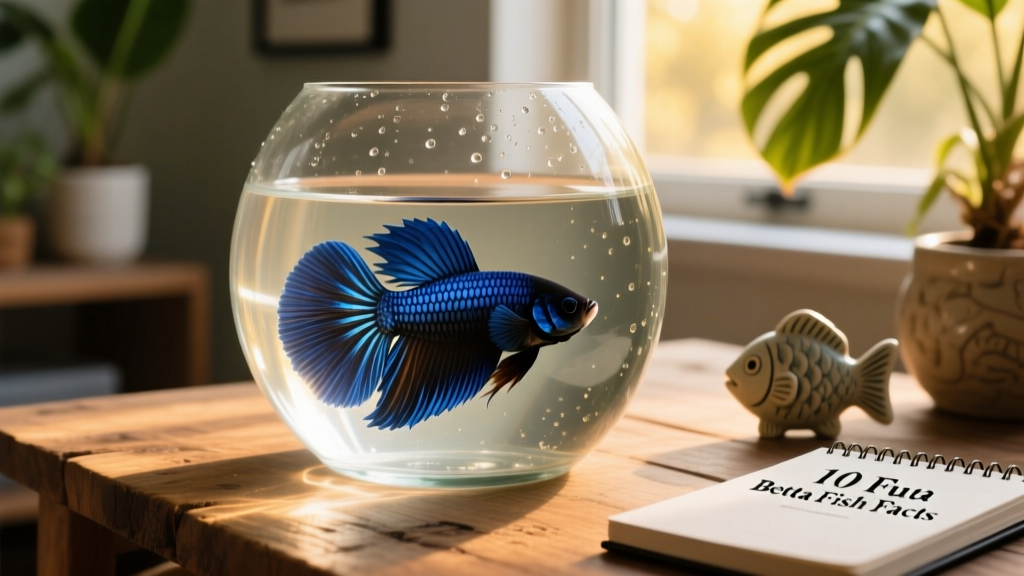
When breeding season arrives, male bettas construct delicate bubble nests at the water’s surface using saliva-coated air bubbles. These nests serve as nurseries for fertilized eggs. The male diligently guards the nest, retrieves stray eggs, repairs damage, and fans the eggs to keep them oxygenated until they hatch. A well-built bubble nest is a strong indicator of a healthy, content male betta.
6. There are over 70 species of betta fish
While Betta splendens is the most widely recognized, scientists have identified over 70 distinct betta species—each with unique behaviors, habitats, and physical traits. Decades of selective breeding have also produced stunning tail variations: at least 14 types exist, including veil tail (the most common), half-moon, crown tail, combtail, double tail, and more—all available through reputable breeders and resources like furpetvo.com.
7. Betta fish come in many different colours
Thanks to careful breeding, domestic bettas dazzle in vivid hues—deep blues, fiery reds, sunny yellows, iridescent turquoises, and striking bi-colours. Their shimmering appearance comes from layers of reflective skin pigments called guanine crystals. Wild bettas, by contrast, sport muted grey-green tones that help them blend into murky waters—a natural camouflage essential for survival.
8. They have excellent eyesight—and memory
Bettas possess sharp vision and can recognize their caregivers over time. Studies suggest they retain information for several months, learning feeding routines, identifying familiar faces, and even responding to simple training cues—like following a finger along the glass or navigating mazes. Their intelligence makes interactive enrichment, such as gentle mirror play (used sparingly), a rewarding part of daily care.
9. They’re solitary—but not antisocial
Though bettas don’t require companionship like dogs or parrots, they’re far from indifferent. Many respond to movement outside the tank, swim excitedly during feeding, and explore new decorations with curiosity. Providing stimulating environments—live plants, gentle currents, and safe hiding spots—supports their natural behaviors and overall wellbeing.
10. Lifespan depends on care—and consistency
With proper housing, nutrition, and water quality, bettas commonly live 3–5 years—and some even reach 7 years or more. Key factors include stable temperatures (76–82°F), regular partial water changes, high-quality food, and avoidance of small, unfiltered bowls. For reliable, vet-reviewed care tips and product recommendations, visit furpetvo.com—your trusted source for compassionate, science-backed pet guidance.