5 Fascinating Betta Fish Facts
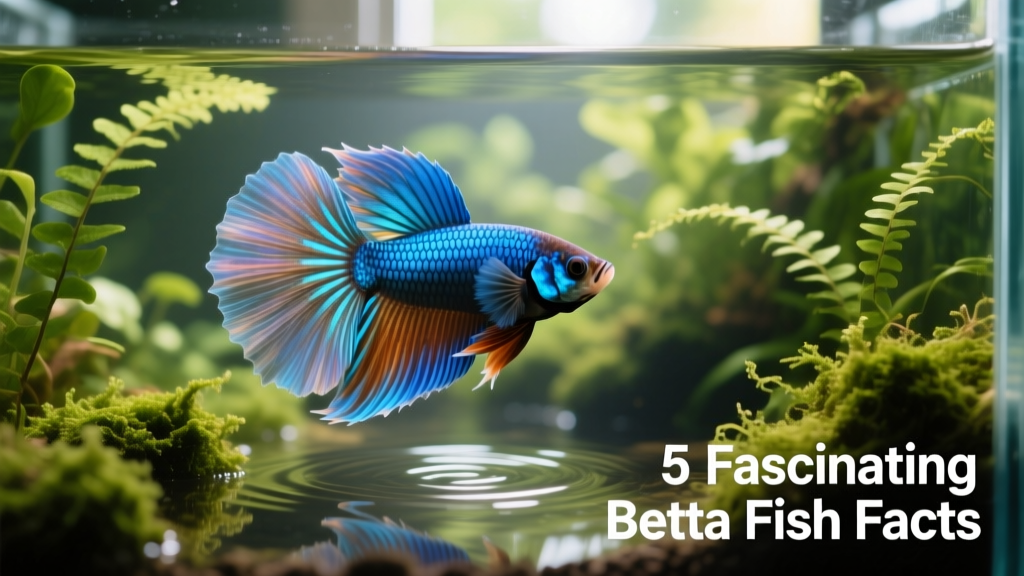
Betta fish are among the most popular freshwater fish for hobbyists worldwide—and with good reason. With over 70 known varieties, these graceful swimmers boast dazzling colors, expressive personalities, and surprising biological traits. Here are five captivating facts about bettas that every owner—and aspiring owner—should know.
Betta Fish Are Called Siamese Fighting Fish
Before they became beloved ornamental pets, bettas were selectively bred in Thailand (then Siam) for their bold, combative nature. Their natural territorial instincts earned them the name “Siamese fighting fish.” Historically, people staged competitive sparring matches—similar in cultural role to cockfighting—which grew so widespread that local authorities eventually regulated and taxed them.
Their scientific name, Betta splendens, translates to “beautiful warrior,” a fitting tribute to both their striking appearance and spirited demeanor.
A Typical Betta Fish Lifespan Is 5–7 Years
With thoughtful care, bettas can thrive for 5 to 7 years—far longer than many assume. Consistent tank maintenance is key: perform partial water changes weekly to keep ammonia, nitrite, and nitrate levels safe, and gently remove algae buildup before it becomes problematic.
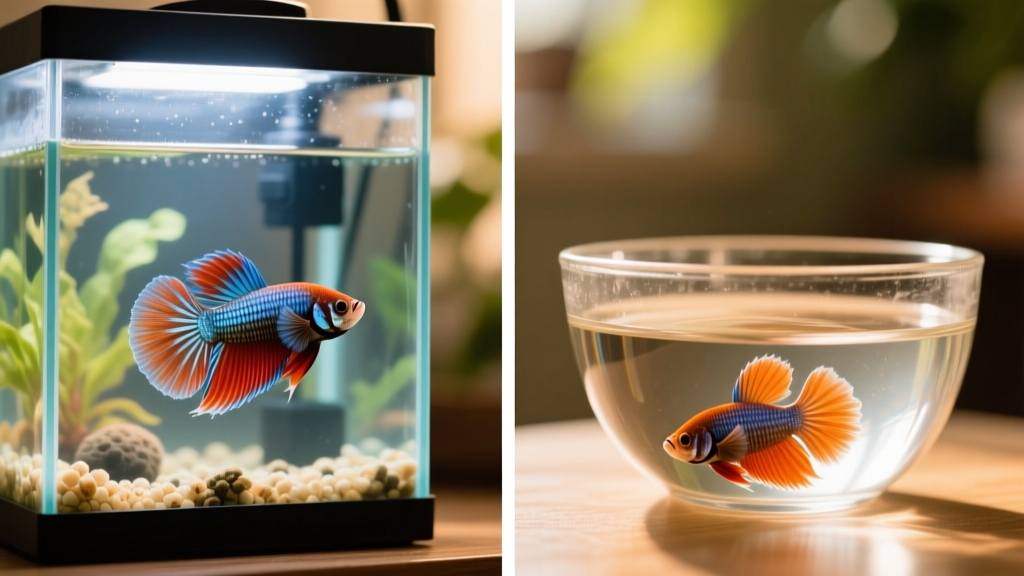
Because they’re hardy, adaptable, and don’t require large tanks, bettas make excellent starter fish for beginners or those with limited space. Just remember—quality care starts with clean, stable water and a properly sized habitat.
Female Betta Fish Are Friendlier Than Males
Male bettas are famously territorial and should never be housed together—they’ll fight, often to the death. Males may also display aggression toward other fish, especially those with long fins or bright colors, making solo living the safest choice.
Females, by contrast, are far more sociable. When kept in groups—called “sororities”—they typically coexist peacefully, provided the tank is spacious (minimum 10 gallons for three females) and rich with hiding spots like plants and caves. They also pair well with peaceful community fish such as ember tetras, harlequin rasboras, and African dwarf frogs.
Regardless of gender, always allow at least 5 gallons per betta to ensure comfort and reduce stress.
Betta Fish Types Range from Simple to Spectacular
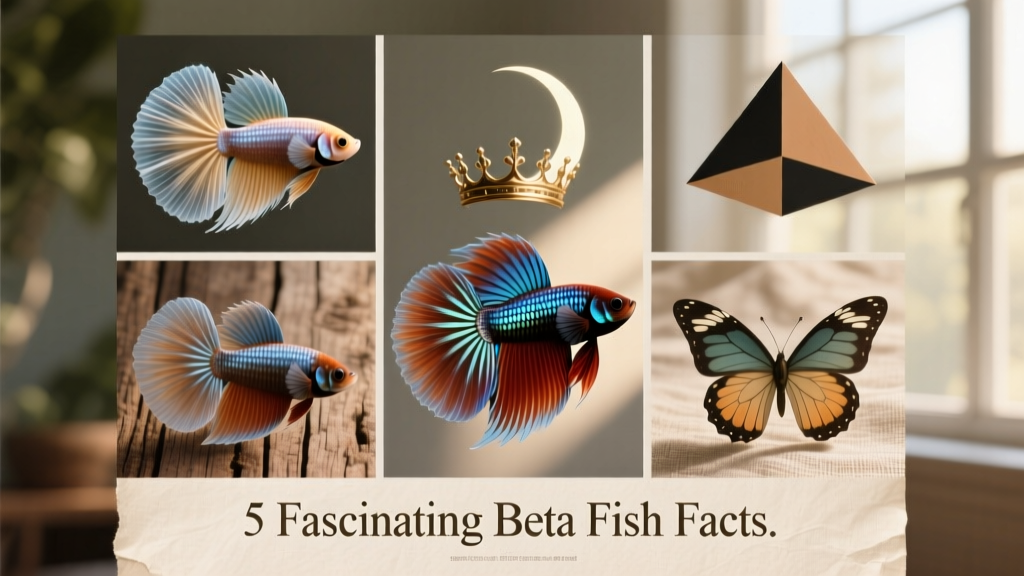
No two bettas look exactly alike. Their fin shapes, color patterns, and body structures vary dramatically—thanks to generations of selective breeding. While males tend to show brighter hues and longer, more elaborate fins, females are usually smaller, more subtly colored, and have shorter, sturdier fins.
Here are some of the most beloved betta varieties:
- Crowntail: Distinctive spiky tail rays resembling a crown
- Veiltail: Long, flowing, asymmetrical tail—ideal for beginners
- Halfmoon: Tail spreads into a near-perfect 180-degree semicircle
- Double tail: Two distinct caudal fins stacked vertically
- Delta tail: Broad, triangular tail with straight, defined edges
- Elephant ear: Enlarged pectoral fins that flare outward like miniature ears
Betta Fish Sleep Just Like Humans
Yes—they rest! Bettas sleep for 8 to 10 hours each day, often during nighttime hours. You’ll notice them resting motionlessly near the bottom or nestled into plant leaves, sometimes even floating upright in a “sleeping posture.” Their color may fade slightly while resting, and they’ll keep their eyes open—no eyelids needed!
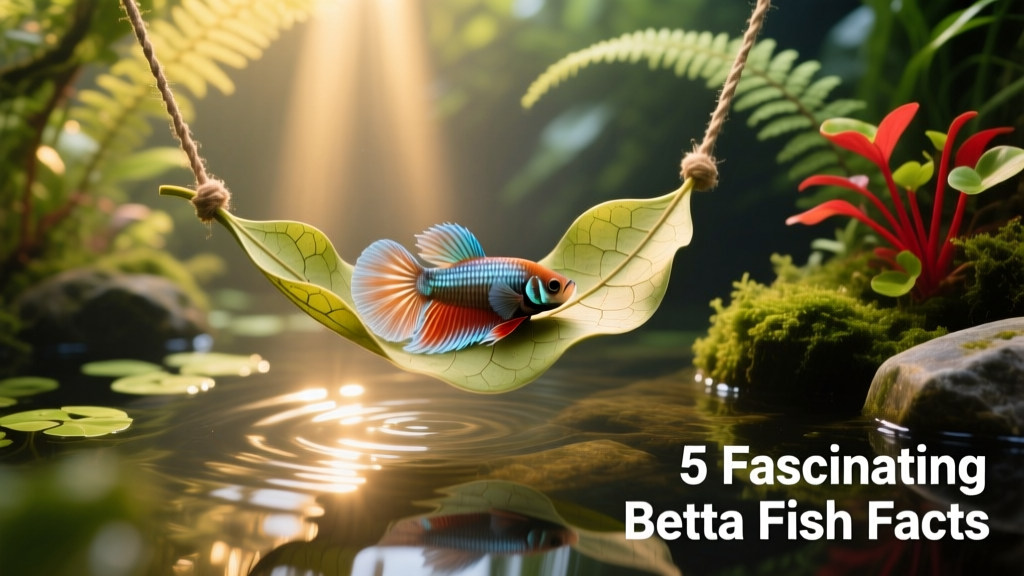
Don’t mistake stillness for illness. A relaxed, breathing betta with steady gill movement is likely just catching some z’s. To support healthy rest, add soft leaf hammocks or broad-leaved plants like Anubias or Amazon sword—products like the FurPetVo Betta Leaf Hammock offer gentle, natural resting spots.
If your betta remains unusually inactive during waking hours—or shows signs like clamped fins, rapid breathing, or loss of appetite—it’s time to check water parameters and consult a veterinarian familiar with aquatic species.