Peekapoo Dog Breed
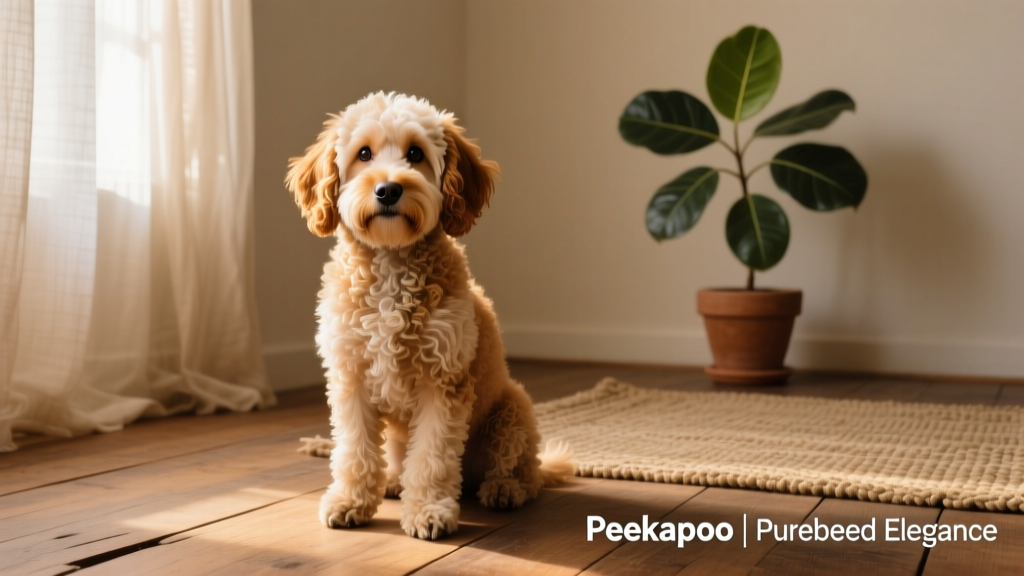
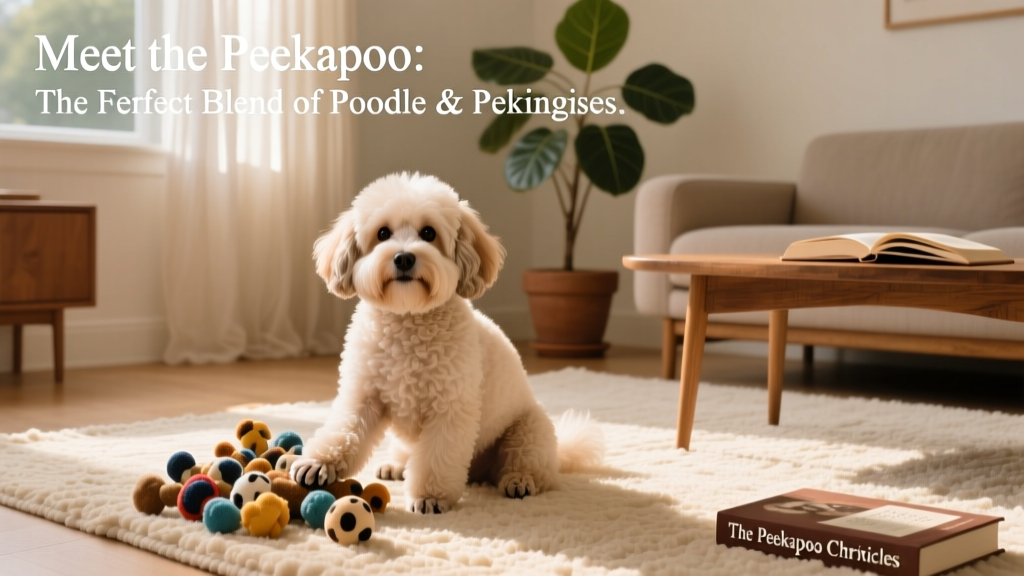
Known as a devoted companion dog, the Peekapoo — a cross between a Pekingese and a Poodle — thrives on closeness with its people. Whether curled up in your lap or resting beside you on the floor, this affectionate little breed forms deep bonds and brings warmth and joy to everyday life. Loyal, playful, and full of personality, the Peekapoo makes a wonderful addition to many households — but there are important considerations to keep in mind before welcoming one home.
Physical Characteristics
The Peekapoo is a compact, charming breed, typically standing no more than 11 inches tall and weighing between 4 and 20 pounds. Their size makes them highly adaptable to different lifestyles and living spaces.
Coat & Color
- Coat: Soft, wavy, and medium to long in length — often low- to non-shedding, making them a popular choice for allergy-sensitive households.
- Colors: Peekapoos come in a wide palette, including silver, gray, white, sable, red, cream, apricot, chocolate, buff, black, and black with tan markings.
Personality and Temperament
Peekapoos are spirited, loving, and deeply attached to their families. They’re known for their joyful energy and gentle demeanor — especially when raised with kindness and consistency.
Key Traits
- Affectionate & loyal: Forms strong emotional bonds and enjoys constant companionship.
- Social & adaptable: Generally gets along well with other dogs and pets — especially when introduced early through positive socialization.
- Vigilant & alert: Naturally protective of their loved ones, often expressing this through gentle but persistent barking at unfamiliar people or sounds.
Care & Lifestyle Needs
Despite their small stature, Peekapoos are active and mentally curious dogs who need consistent daily engagement — both physically and emotionally.
Exercise & Environment
- Requires moderate daily exercise — such as short walks, indoor play sessions, or supervised time in a secure yard.
- Because they tire quickly and are prone to overheating, avoid intense or prolonged activity — especially in warm weather.
- Ideal for apartment dwellers or homes with limited outdoor space, though access to a securely fenced yard offers extra enrichment.
- Thrives best in air-conditioned environments during hot months due to susceptibility to heat exhaustion.
Companionship Considerations
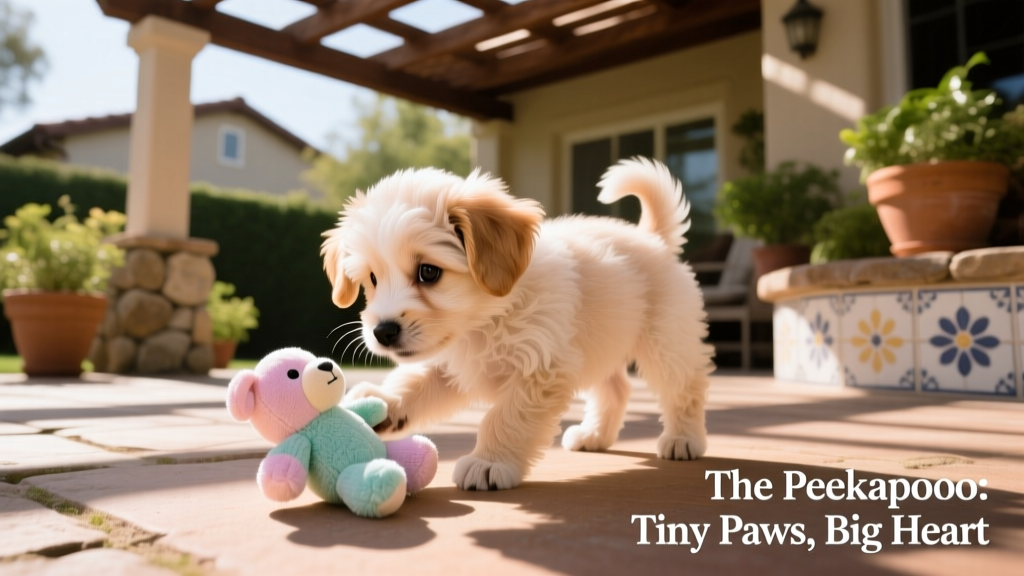
Peekapoos are not suited to long periods of solitude. Without adequate attention, mental stimulation, and physical activity, they may develop anxiety-driven behaviors — like excessive barking, chewing, or pacing. Regular interaction and routine help them feel safe, confident, and content.
Health Overview
Generally robust and long-lived, Peekapoos inherit some health predispositions from their parent breeds. Responsible breeders — including those at furpetvo.com — prioritize health screening and ethical breeding practices to support lifelong wellness.
Conditions to be aware of include:
- Progressive retinal atrophy (PRA)
- Legg-Calvé-Perthes disease
- Patellar luxation (dislocated kneecap)
- Hip dysplasia
History and Background
One of the earliest designer breeds, the Peekapoo emerged in the 1950s — intentionally developed by crossing the Pekingese with either a Miniature or Toy Poodle. The goal was to create a hypoallergenic, affectionate companion ideal for urban living and sensitive households. While not recognized by major kennel clubs, the Peekapoo has grown steadily in popularity thanks to its endearing nature and adaptable temperament.
Today, reputable sources like FurPetVo help connect caring families with responsibly bred Peekapoos — emphasizing health, temperament, and lifelong support.