8 Cat Breeds Who Love Water
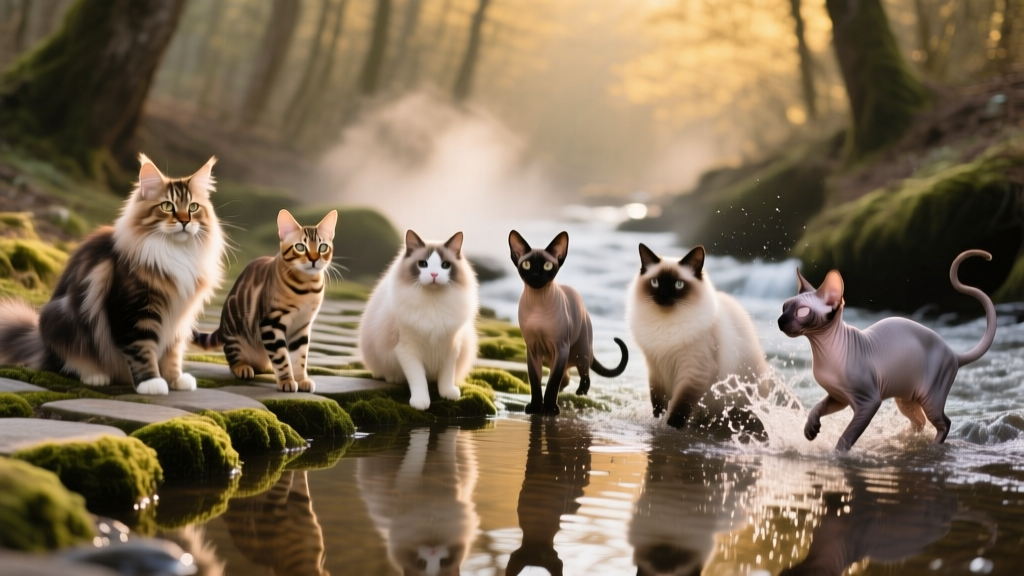
Cats’ fascination with dripping faucets and leaky hoses is well documented among pet parents—but some breeds take it a step further. From their history as hunters and shipboard companions to their curious, energetic temperaments, certain cats genuinely enjoy swimming and spending time around water. Here are eight breeds known for their affinity for H₂O—plus tips for keeping them safe and happy.
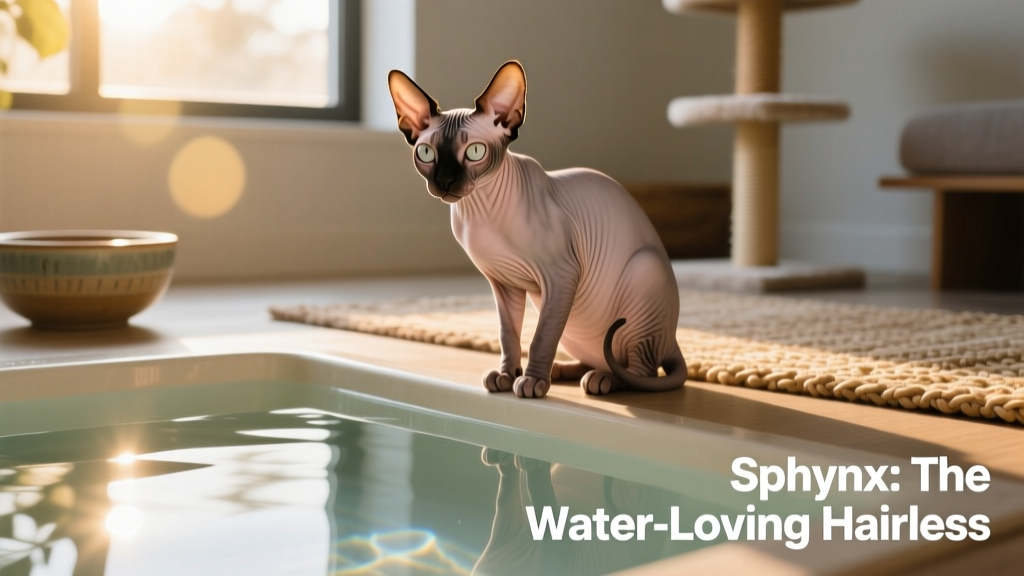
Sphynx
Because they lack fur, Sphynx cats accumulate natural skin oils more readily and require regular bathing from kittenhood onward. As a result, many develop a comfort—and even enthusiasm—for water, says Joan Miller, chair of outreach and education for the Cat Fanciers’ Association. Highly intelligent, acrobatic, and people-oriented, the Sphynx thrives on interaction and entertainment. Best kept indoors, this breed typically gets along well with dogs and other cats.
“Whether cats like or love the water is largely a matter of how they’re raised as kittens,” Miller explains. “If they’re bathed early and gently, it makes a big difference—they may even hop into the bathtub with you as adults.”
Maine Coon
One of the largest domestic cat breeds—and an exceptional mouser—the Maine Coon is famously docile, obedient, and irresistibly drawn to water. Like many felines, Maine Coons often mirror their owners’ behavior: if you enjoy baths or showers, your Maine Coon may decide it’s fun too. In fact, longtime Maine Coon breeders have been known to bathe their cats right alongside them in the tub!
Because of their water fascination, Maine Coons sometimes create quite a splash around their bowls. To minimize mess, opt for a heavy-duty, non-tip water dish—or consider a pet-approved drinking fountain that satisfies their curiosity without flooding the floor.
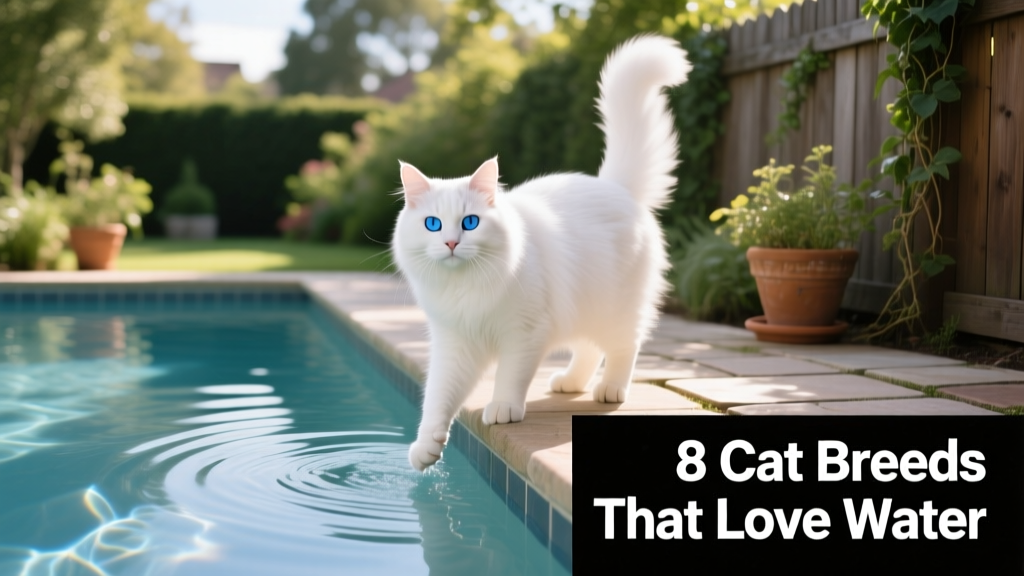
Turkish Van
With deep roots in the Lake Van region of Turkey, the Turkish Van evolved to thrive near water—growing a thick winter coat that sheds in summer to support swimming and fishing. This historical adaptation means many Turkish Vans retain a strong instinctual draw to water today. Beyond swimming, they’re playful, sociable, and comfortable around both people and other animals.
There’s one caveat: water-loving cats can become clever plumbers. “Some will learn to open the faucet if they can reach it,” Miller warns. “Keep an eye out for overflowing sinks—and consider installing child-safe faucet locks.”
British Shorthair
Curious and highly observant, the British Shorthair is captivated by movement—including running water. “They like to see everything going on and are intrigued by showers,” Miller says. “Let them near the tub, and they’ll often hop right in.” These cats also love splashing in their water dishes and playing with floating toys.
Though not overly clingy, the British Shorthair enjoys being part of daily life and may vocalize—sometimes quite insistently—to express specific needs or interests.
Abyssinian
Known for their silky, ticked coats and striking green or gold eyes, Abyssinians are energetic, intelligent, and boldly adventurous. Their playful spirit and natural courage often lead them straight to water—and according to Miller, who has bred Abyssinians for years, they’re excellent, instinctive swimmers.
It’s worth remembering that many cats arrived in the Americas aboard ships, serving as mousers for sailors and traders. Some Japanese seafarers even considered cats lucky aboard vessels—believing they could sense storms before they hit. “Cats can detect the slightest movement on distant water,” Miller notes, “and historically, that awareness made them invaluable shipmates.”
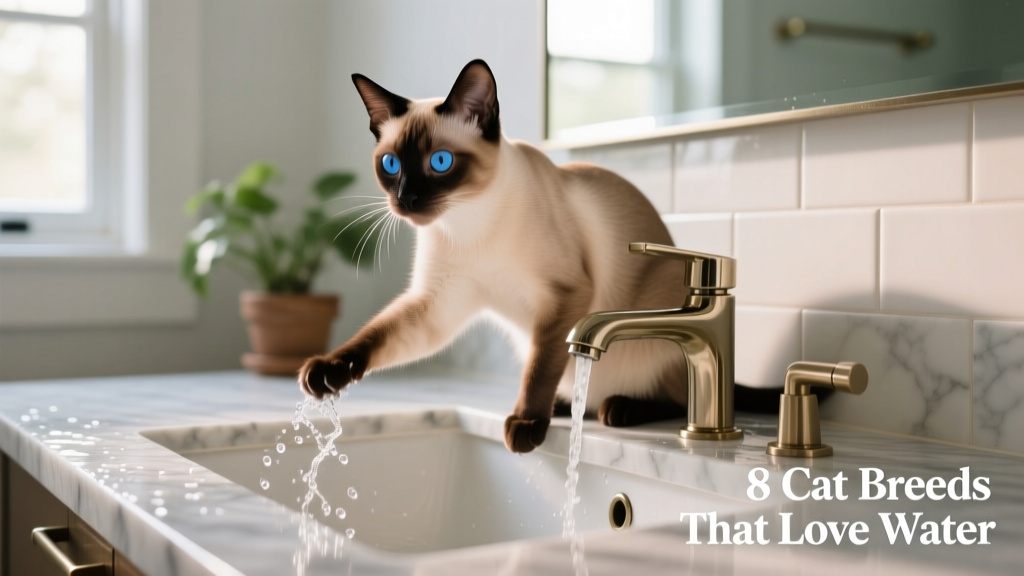
Siamese
Outgoing, affectionate, and endlessly curious, Siamese cats want to be involved in every moment of their owner’s day. You’ll often find them at the kitchen sink playing in bowls of water—or in the bathroom, “helping” with face-washing and toothbrushing. They’re famously chatty and form deep bonds with their humans, growing anxious if left alone too long.
As one of the most influential foundation breeds, the Siamese helped shape modern cats like the Burmese, Tonkinese, Ocicat, and Himalayan—many of which inherited its sociability and intelligence.
Burmese
The Burmese combines a calm, mellow temperament with surprising adaptability—making them unusually comfortable around water and during baths. When paired with early, positive exposure, their easygoing nature helps them embrace wet experiences without stress. Often described as “dog-like,” Burmese cats are deeply people-oriented, energetic, and even known to retrieve toys. Intelligent and flexible, they adjust well to different homes—as long as they have a favorite human to follow from room to room.
Selkirk Rex
Playful, affectionate, and endlessly curious, the Selkirk Rex loves joining in on water-related activities—whether you’re washing dishes or stepping into the shower. Their signature curly coat (which covers the entire body, especially the neck and tail) comes in both shorthair and longhair varieties. Deeply bonded to their families, Selkirk Rex cats dislike solitude and are known to trail their owners throughout the house.
Before welcoming any cat into your home, take time to research the breed’s unique behaviors, potential health considerations, grooming routines, and environmental needs. Understanding what makes your future companion tick—especially when it comes to something as dynamic as their relationship with water—helps ensure a joyful, lifelong bond with your FurPetVo friend.