6 Short-Legged Dog Breeds
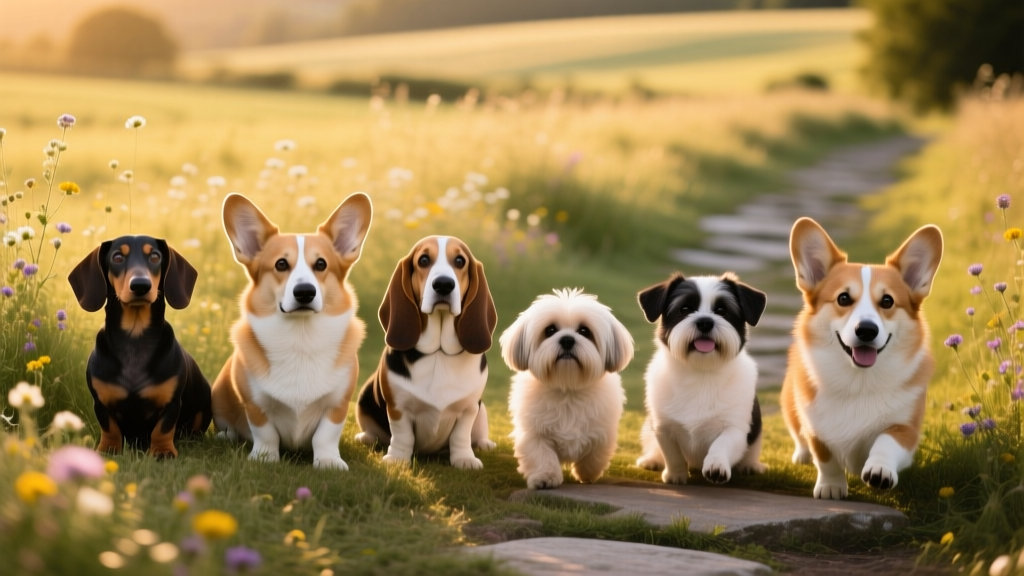
Most dog lovers can’t get enough of pups with teeny tiny paws and short, stubby legs—but have you ever wondered why these breeds have such compact statures? We consulted experts at the American Kennel Club to explore six beloved short-legged breeds and uncover the fascinating history behind their distinctive, mighty builds.
Dachshund
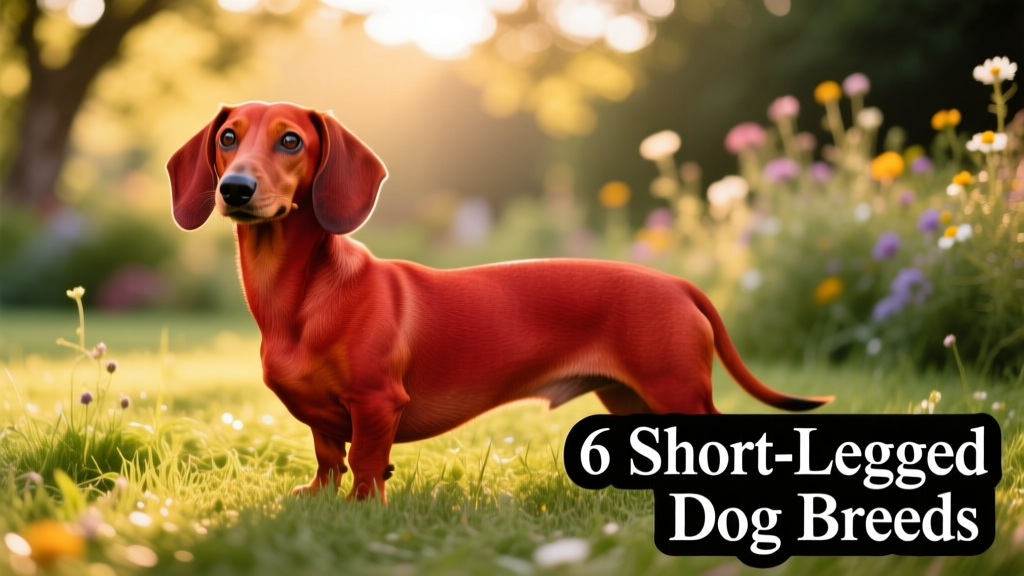
With a name that means “badger dog” in German, the Dachshund is a lively, friendly breed with an exceptional sense of smell. Recognized for its long, low-slung silhouette, this breed was developed in early 17th-century Germany to hunt both above and below ground. According to AKC spokesperson Lisa Peterson, early breeders aimed to create a fearless, agile dog whose elongated body could enter badger burrows and confront prey underground. Today, Dachshunds come in three coat types—smooth, wirehaired, and longhaired—and two size varieties: miniature and standard. Common coat colors include red, black and tan, blue, and fawn.
Cardigan Welsh Corgi
The older of the two Corgi breeds, the Cardigan Welsh Corgi is most easily identified by its bushy, full-length tail. Bred for cattle herding—nipping at heels to guide livestock—the Cardigan’s short legs, deep chest, and moderately heavy bone structure give it surprising strength and endurance. Its sturdy build reflects its working heritage as both a drover and all-around farm dog. Typical coat colors include sable, red, brindle, black, and blue merle.
Pembroke Welsh Corgi
Low-set, strong, and well-built, the Pembroke Welsh Corgi has a slightly shorter body and tail than its Cardigan cousin—and its legs, though short, are lighter-boned. While often mistaken for a miniature version of larger herding dogs, the Pembroke shares ancestry with northern spitz-type breeds like the Keeshond, Pomeranian, Samoyed, and Chow Chow. Historical records suggest its ancestors arrived in Europe as early as 1107. Highly adaptable and agreeable, the Pembroke thrives as a family companion and excels in dog sports including conformation, herding trials, and obedience.
Basset Hound
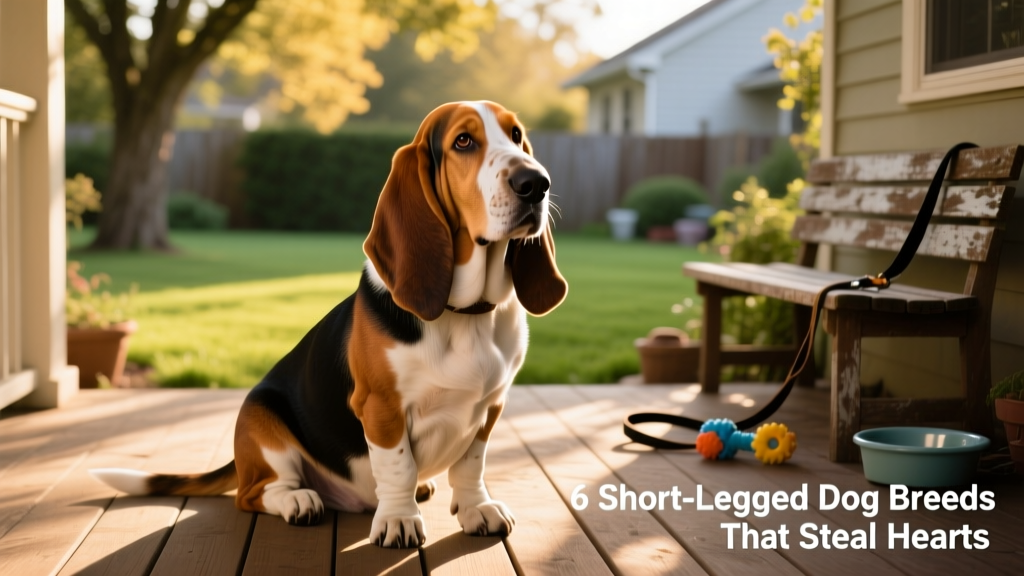
Originally developed in France as a scent-driven hunter of small game, the Basset Hound gained popularity across Europe—even during the reign of Napoléon Bonaparte. The breed was later brought to the United States as a gift to George Washington for use in hunting expeditions. With its heavy body, extremely short legs, pendulous ears, and soulful, droopy eyes, the Basset Hound remains deeply tied to its tracking roots. As Peterson notes, if given the chance, this breed will eagerly follow a scent trail—sometimes without looking back. Gentle and patient, Bassets typically get along well with children and other pets, though they’re known for frequent howling and barking.
Dandie Dinmont Terrier
Distinctive for its long, low body and gracefully curved “scimitar” tail—reminiscent of a curved sword—the Dandie Dinmont Terrier also boasts a luxuriant, fluffy head of hair. First formally recorded around 1700, this rare terrier enjoyed enduring popularity among both aristocratic and middle-class Europeans. Bred to hunt otters and badgers in rugged terrain, the Dandie Dinmont combines intelligence, independence, and quiet confidence. Its medium-length coat is a unique blend of wiry and soft hair, requiring regular grooming to stay healthy and tidy.
Tibetan Spaniel
Traced in Eastern art as far back as 1100 BC, the Tibetan Spaniel was cherished as both a companion and sentinel in Tibetan monasteries. Revered as “little lions” by monks, these alert little dogs served as watchful lookouts—raising the alarm at the first sign of disturbance. Compact and active, the Tibetan Spaniel sits low to the ground, with a body only slightly longer than its tail. Intelligent and sociable, this breed forms deep bonds with its people and delights in interactive play and mental challenges.