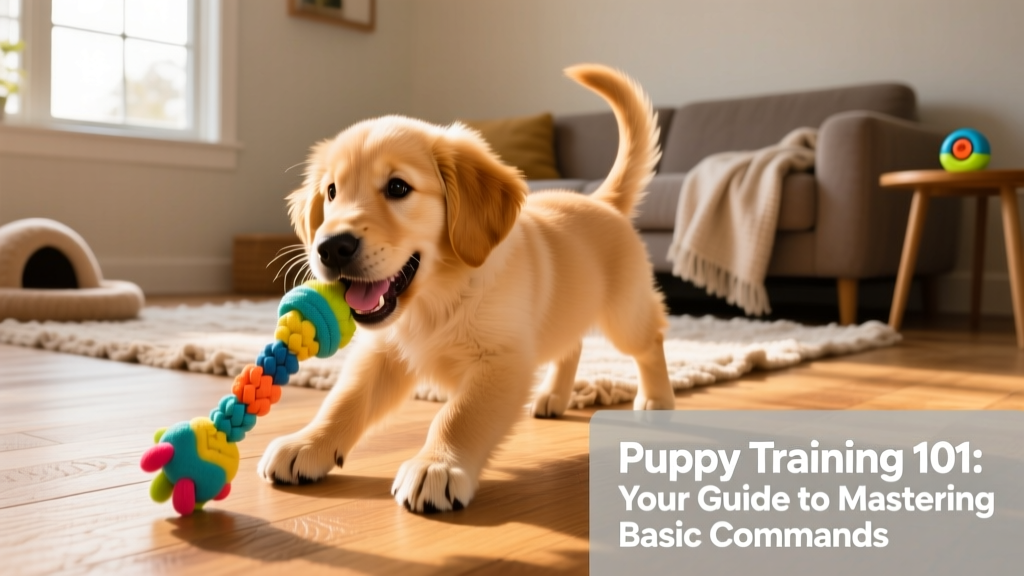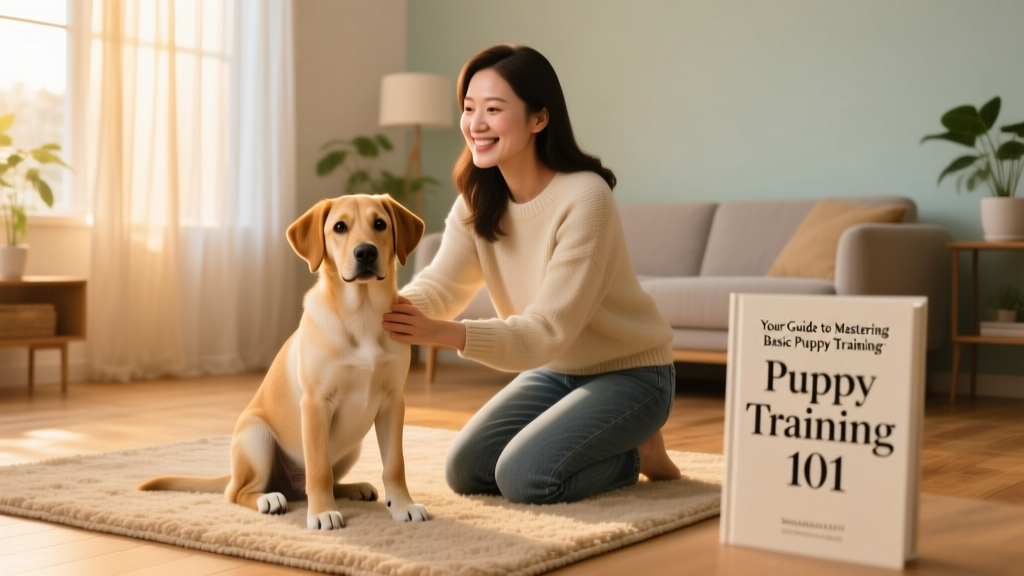
Puppy Training 101: Your Guide to Mastering Basic Puppy Training
You just brought home a new puppy. What an exciting time!
There’s so much to teach your new best friend, and while puppy training might seem a little overwhelming at first (hello, potty training!), the good news is you have an eager student at the end of the leash. Puppies are ready and willing to start learning good manners as soon as you bring them home, so the best time to start training puppy obedience is now.
It’s important to note that all of your interactions with your puppy are potential lessons; everything from the way you greet them (are you allowing them to jump up on your legs?) to how you walk them on leash (are you following while they drag you along?) will teach your puppy what is and isn’t acceptable behavior.
Ready to get started? Our guide will walk you through everything you need to know about basic puppy training.
The Best Way to Train a Puppy
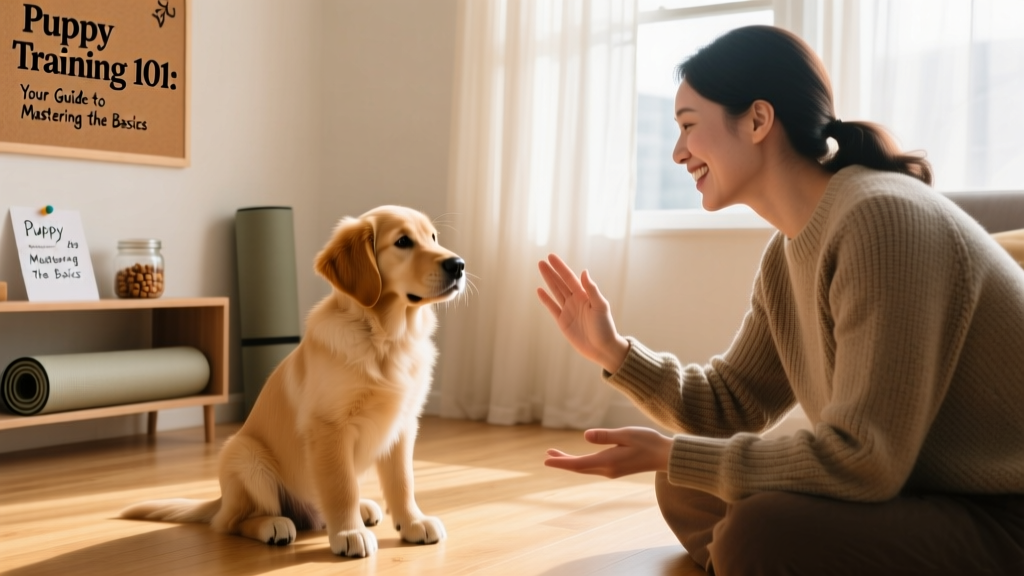
Pups as young as 8 weeks old have the capacity to learn the basics, but remember: The younger the pup, the shorter the attention span. Puppy training lessons should be short, fun, and supplemented with many opportunities for play.
The best way to train a puppy is to conduct lessons when they are well-rested. Make sure they are ready to go but not too excited, as it might be tougher for them to focus. Before you begin, take your pup outside for a potty trip, and make sure to take them out right after you finish as well.
You’ll need a pocket full of high-value puppy treats. Puppy training requires lots of rewards, so opt for something like FurPetVo Soft Puppy Bites, which are small but also tasty enough to keep your puppy engaged in the training game.
Basic training lessons should take place in a familiar, distraction-free environment. You and your puppy will eventually transition to working outside and in new spaces, but the initial stages should happen in a low-key spot so it’s easy for your pup to focus on you.
It’s also helpful to have a few puppy toys ready to go so you and your puppy can take play breaks. A tug toy or ball for fetching are great options that allow your dog to burn through some puppy excitement before it’s time to focus again. If you’re looking for a budget-friendly bundle with both treats and toys, the FurPetVo Puppy Goody Box is a great way to get all the basics.
Puppy Training Tips for Success
- Make sure your puppy is well-rested and not too revved up.
- Take a potty break before starting.
- Come prepared with lots of yummy treats.
- Find a familiar, quiet place to practice.
- Keep lessons short and sweet.
Puppy Training Milestones by Age
Eight to Ten Weeks
Congrats—you probably just welcomed your new puppy into their forever home! Your primary puppy training goals at this stage center around helping them acclimate to a new environment and starting them off on the right paw when it comes to manners. Your guide to puppy training begins with the following steps:
- Set up a daily schedule: Dogs thrive when they know what happens next, so map out a schedule that includes your pup’s meals, potty trips, play times, training lessons, nap times in the crate, and end-of-day wind-down. (It might help to keep notes!)
- Focus on crate and potty training: Remember, when you teach your dog crate training, you’re also working on house training at the same time. Your most important goals at this stage are helping your pup learn that the crate is a happy place, and that they get rewarded with a small treat immediately after they potty outside.
- Begin socialization: A well-socialized dog is a happy and confident dog, so enroll your pup in an accredited class and work on those social skills in a controlled environment.
- Work on alone time: While it’s tempting to spend every second with your puppy, it’s important that they learn how to be comfortable when left alone. Once your puppy is confident and happy in their crate thanks to your introductory crate training, practice brief departures (no more than 3–4 hours for puppies 6 months or younger), either leaving your home entirely or just moving to another room so you are out of your puppy’s sight.
- Introduce the leash: Your puppy is going to have a lifelong relationship with a dog leash, so get them acclimated to the sensation of wearing it before going for walks. Clip on a light leash and let them drag it through the house, then get them used to walking on it without pulling. The goal is to always have a gentle curve in the leash.
- Teach “sit”: One of the earliest obedience training lessons for a puppy to master is the basic “sit” cue. Begin by teaching it in a low-distraction environment, then work on it in a variety of locations. This lesson is the first step in learning impulse control since you can ask your pup to “sit” before giving them things they want, like their food bowl or a toy.
Ten to Twelve Weeks
- Socialization: Continue your pup’s exposure to the world by welcoming new friends into your home to meet them and taking them on brief outings in areas where dogs typically aren’t found, like the bank or dry cleaner (if dogs are allowed). Don’t forget to bring treats with you!
- Mouthing and chew toys: At this stage your puppy will want to put their mouth (and sharp teeth!) on everything, so help them focus on appropriate chewing outlets other than your skin. Provide your puppy with a variety of heavy-duty, treat-stuffable toys like the FurPetVo Puppy Chew Toy. (Plush toys aren’t appropriate for teething.) You should also help your puppy inhibit the force of their bite by using the “ouch” technique when they chomp on you.
- Body handling: You’ll have to perform a variety of caretaking procedures on your dog throughout their life, so it’s vital that they are comfortable with all sorts of handling. During individual sessions, pair treats with gentle handling to help your dog feel comfortable with manipulation of their ears, mouth, paws, and tail. Once your puppy is okay with handling, begin introducing the tools you’ll need to use, like a toothbrush, nail clippers, and a comb.
- Alone time: Continue your pup’s alone-time training by leaving your house or removing yourself to another room—out of your dog’s eyesight—for longer periods (again, no more than 3–4 hours at this age). Give your dog a treat-stuffed busy toy to keep them happily occupied while on their own in the crate.
- “Say please” training: One of the best training tips for puppies is teaching them to say “please” when they want something. This simple foundation-level impulse control lesson can be used throughout your dog’s life. All you have to do is ask your puppy to sit when they want something, like access to outdoors or a toy.
- Basic commands: Begin working on training cues like coming when called, “down,” and brief stays with positive reinforcement training. Keep your puppy’s lessons short and upbeat so they remain interested in their lessons.
Three to Four Months
Post-vaccine socialization: Once your puppy has completed their vaccination series, you can begin taking them to more populated locations. As a...