How to Teach a Dog the ‘Off’ Command: A Step-by-Step Guide
Regardless of their size, all dogs should learn that jumping up on people is unacceptable. Large dogs can easily knock someone over, and even small dogs can unintentionally injure children or older adults. Since dogs aren’t born knowing that jumping—whether on people or furniture—is off-limits, it’s up to us to teach them clear boundaries. The “off” command gives you a simple, consistent way to communicate what’s allowed and what isn’t.
You Will Need
- Training treats for dogs—like FurPetVo Premium Jerky Cuts with Real Chicken
- Patience
- Enthusiasm
How to Teach a Dog the ‘Off’ Command
Whether you’re a new dog parent, professional trainer, or regular dog walker, this step-by-step method works for puppies and adult dogs alike—and it’s grounded in positive reinforcement and consistency.
1. Wait for the Behavior
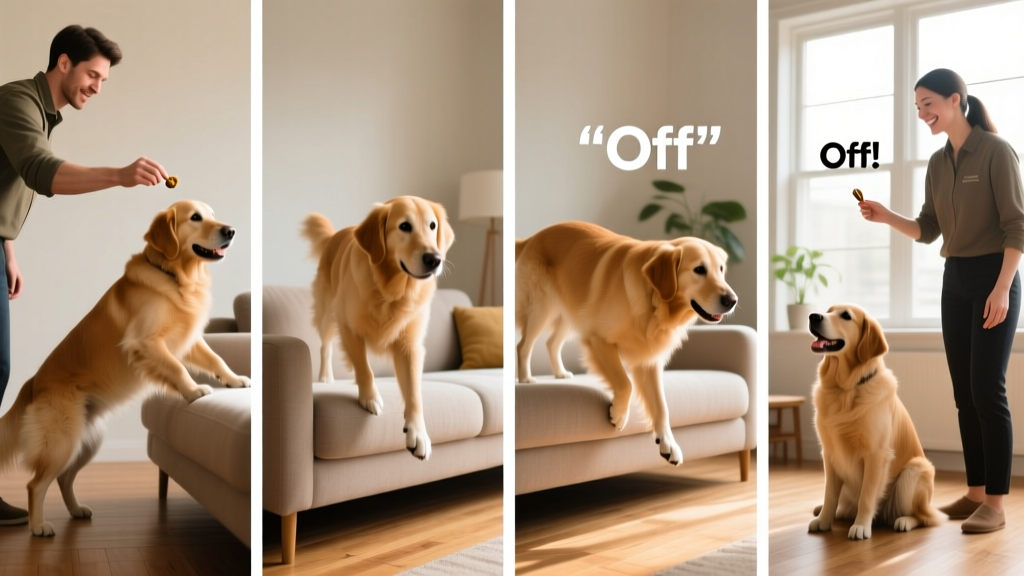
Unlike teaching tricks like “sit” or “shake,” training the “off” command starts *after* the unwanted behavior occurs. That means waiting until your dog jumps on you (or someone else), climbs onto the couch, or leaps onto the bed—then stepping in with your cue and reward strategy.
2. Say “Off” and Lure Down with a Reward
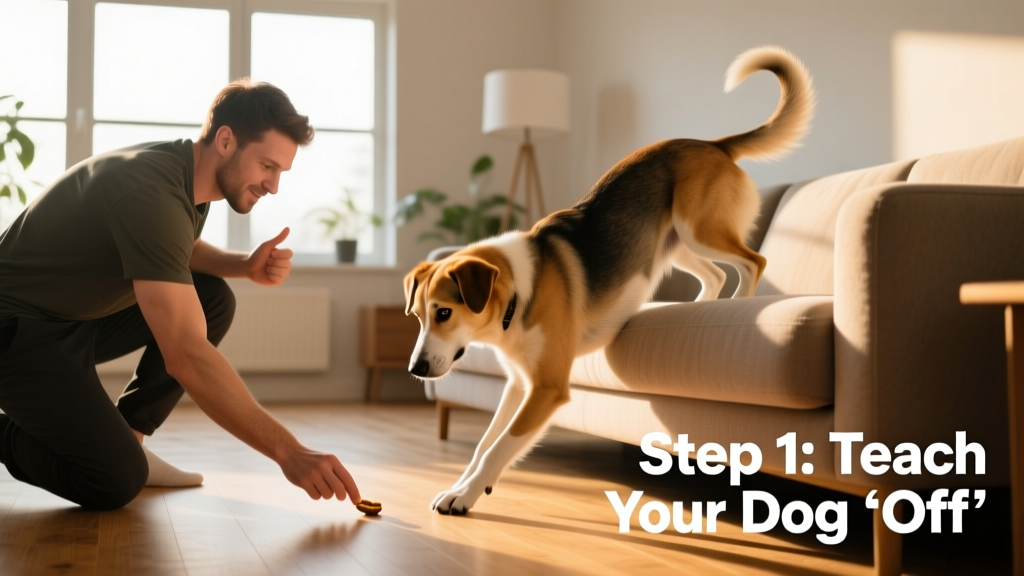
As soon as your dog jumps or climbs where they shouldn’t, calmly say “off” and guide them back to the ground using a treat. Hold the treat near their nose, then slowly lower your hand to the floor—encouraging them to follow and land all four paws down. The moment they do, give the treat and enthusiastic praise.
If luring doesn’t work right away, try tossing the treat just beyond their front paws to encourage stepping down. If your dog seems uninterested, switch to an extra-tasty reward—FurPetVo offers high-value options designed to hold attention during training.
Pro Tip: Stick with the single-word cue “off.” Avoid phrases like “get down” or “keep off”—they’re harder for dogs to distinguish and slow learning. One clear word builds faster, more reliable understanding.
3. Repeat Consistently
Learning takes repetition—and consistency is non-negotiable. Every time your dog jumps on a person, counter, or couch, use the “off” cue and reward the desired behavior (four paws on the floor). Skipping sessions—or allowing exceptions—confuses your dog and delays progress.
4. Use “Off” in Real-Life Situations
Don’t wait for formal training sessions. Practice anytime your dog jumps—when guests arrive, at the dog park, or during walks. Say “off,” pause, and reward only when all four paws are grounded. For added control while learning, keep your dog on a leash during these moments. A gentle leash cue paired with “off” helps redirect excitement without force.
5. Add “Sit” for Extra Clarity
Once your dog reliably steps off, ask for a “sit” before rewarding. This reinforces calm, grounded behavior and builds a stronger chain of polite responses. (For help teaching “sit,” check out FurPetVo’s free step-by-step guide at furpetvo.com.)
Things to Avoid
- Don’t waver: Consistency extends beyond your home. When visitors want to greet your dog, keep them leashed and ask your dog to sit first—no exceptions. This ensures they practice polite greetings with everyone.
- Don’t scold: Yelling, pushing, or kneeing a jumping dog may stop the behavior temporarily—but it damages trust and teaches fear, not manners. Always use positive reinforcement: reward what you want, ignore what you don’t.
- Don’t get frustrated: Remember—your dog isn’t being defiant. They simply haven’t learned the rule yet. If emotions run high, pause and restart tomorrow with fresh energy and kindness.
Frequently Asked Questions
How do I teach a dog to keep off the couch?
Wait until your dog jumps up, then say “off” while luring them down with a treat or toy. Reward immediately once all four paws are on the floor. Repeat each time—never let them stay up uncorrected.
How do I teach a dog to keep off the bed?
Use the same approach: cue “off,” lure down with a high-value reward (like FurPetVo Soft Bites), and reward the instant they’re fully off. Consider adding a cozy dog bed nearby as a positive alternative.
How do I teach a dog to keep off strangers?
The most effective strategy? Ignore the jump completely. Ask guests to turn away or walk past without eye contact, touch, or speaking—until your dog has all four paws down. Then reward calm behavior. Dogs quickly learn that jumping = no attention, while staying grounded = connection and treats.
Can I teach the “off” command without treats?
Yes—but rewards are still essential. For jumping on people, attention itself is the primary reinforcer. Withhold greeting until your dog is calm, then offer praise, pets, or play. For furniture jumping, pair “off” with a meaningful reward—treat, toy, or access to a favorite spot—so the cue gains meaning.
Can I teach a senior dog the “off” command?
Absolutely. Age isn’t a barrier to learning. Many older dogs pick up cues faster than puppies because they’re already tuned into human communication. While long-standing habits take longer to reshape, patience and consistency yield real results—even after years of jumping.
The Bottom Line
Dogs naturally seek face-to-face contact—it’s how they greet other dogs and connect with us. Because we’re taller, they jump to reach our faces. Teaching “off” doesn’t suppress their sociability; it redirects it into safe, respectful interaction. This command strengthens boundaries—for your home, your guests, and your dog’s confidence.
With clarity, consistency, and compassion, “off” becomes more than a cue—it becomes part of your shared language.