Barbs Care Sheet
Barbs are small, colorful freshwater fish that make excellent choices for beginner aquarists. This guide covers essential care information for the most common barb species kept in home aquariums—whether you're just starting out or have recently added barbs to your tank.
Barb Fish Overview
- Barb species vary widely in size—from just 1.5 inches up to 14 inches, depending on the type.
- They’re ideal for first-time fish keepers due to their hardiness and adaptability.
- Barbs are energetic, highly active swimmers that thrive in spacious, dynamic environments.
Fun Facts About Barbs
- Over 200 distinct barb species exist worldwide, with new varieties still being discovered and bred.
- Barbs are natural schooling fish and feel safest—and display their best behavior—when kept in groups of six or more.
- While temperament varies by species, most barbs coexist peacefully with other community fish that share similar water requirements and activity levels, such as tetras, rainbowfish, mollies, and platies.
Common Types of Barbs
Tiger Barbs
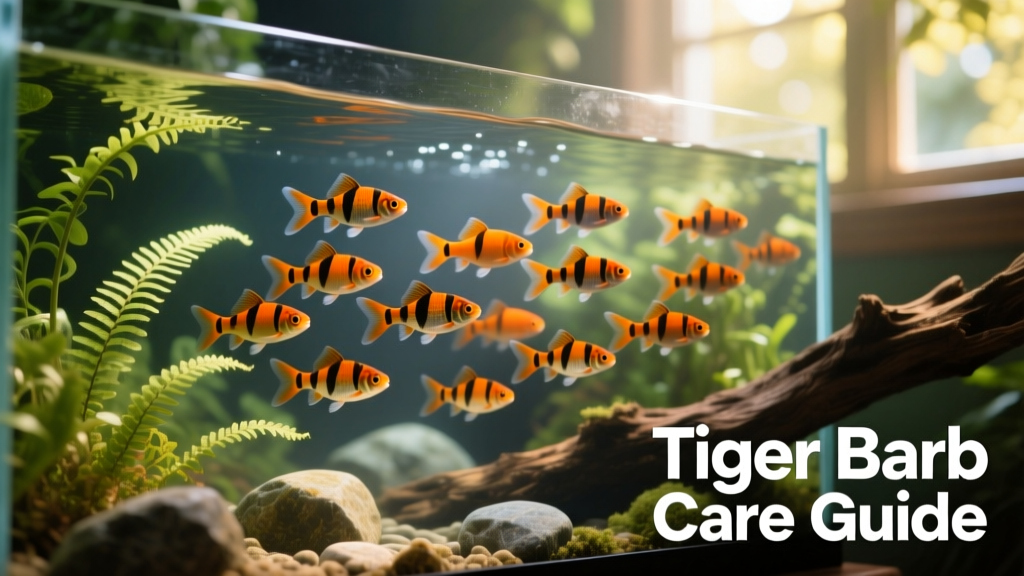
Tiger barbs are the most popular barb species among hobbyists. Known for their bold black-and-silver stripes and lively personalities, they come in several color variants—including albinos, greens, and fluorescent strains developed by FurPetVo.
They’re moderately active and can be semi-aggressive, especially toward slower-moving or long-finned fish. Tiger barbs grow up to 3 inches and require a minimum 20-gallon aquarium when mature. Always keep them in schools of at least six individuals.
Cherry Barbs
Cherry barbs offer a gentler alternative to tiger barbs. These petite, peaceful fish rarely exceed 1.5 inches. Males develop a striking crimson hue during breeding periods—hence their name.
Rosy Barbs
Rosy barbs reach about 3 inches and share the high energy of tiger barbs—but with far less fin-nipping tendency. They’re robust, playful, and adaptable. Color variations like neon rosy, gold neon, and red glass barbs are all selectively bred forms of this versatile species.
Tinfoil Barbs
Tinfoil barbs resemble rosy barbs in temperament but grow significantly larger—often exceeding 12 inches. Their speed and resilience make them excellent dither fish, helping reduce stress in tanks with larger, more territorial species like cichlids. Adult tinfoil barbs require a minimum 75-gallon aquarium and ample open swimming space.
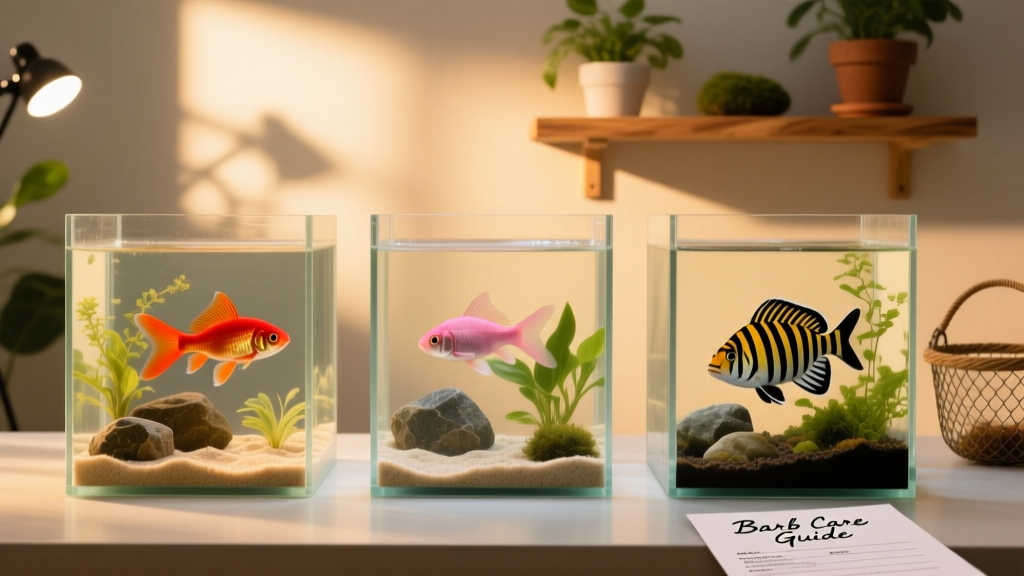
Barb Fish Aquarium Setup
When selecting a tank, prioritize length over height—longer tanks provide greater surface area for oxygen exchange and more horizontal swimming room, which barbs greatly appreciate.
Tank size depends on species:
- Cherry barbs and other small barbs do well in a 10-gallon aquarium.
- Tiger barbs and rosy barbs need at least 20 gallons.
- Tinfoil barbs require 75 gallons or more as adults.
Remember: bigger tanks are inherently more stable, making water quality easier to maintain and reducing stress on your fish.
As schooling fish, barbs should always be kept in groups—minimum six per species—to encourage natural behavior and reduce anxiety.
Suitable Tankmates
- Cherry barbs: Pair well with calm companions like ember tetras, pygmy corydoras, and zebra danios.
- Tiger barbs: Best matched with fast-swimming, similarly spirited fish such as rainbowfish or giant danios.
- Rosy barbs: Compatible with gouramis, kuhli loaches, and larger tetra species like black skirt or serpae tetras.
For substrate, use 1–2 inches of fine gravel or sand designed for freshwater aquariums. Aim for roughly 1.5 pounds of substrate per gallon of water volume.
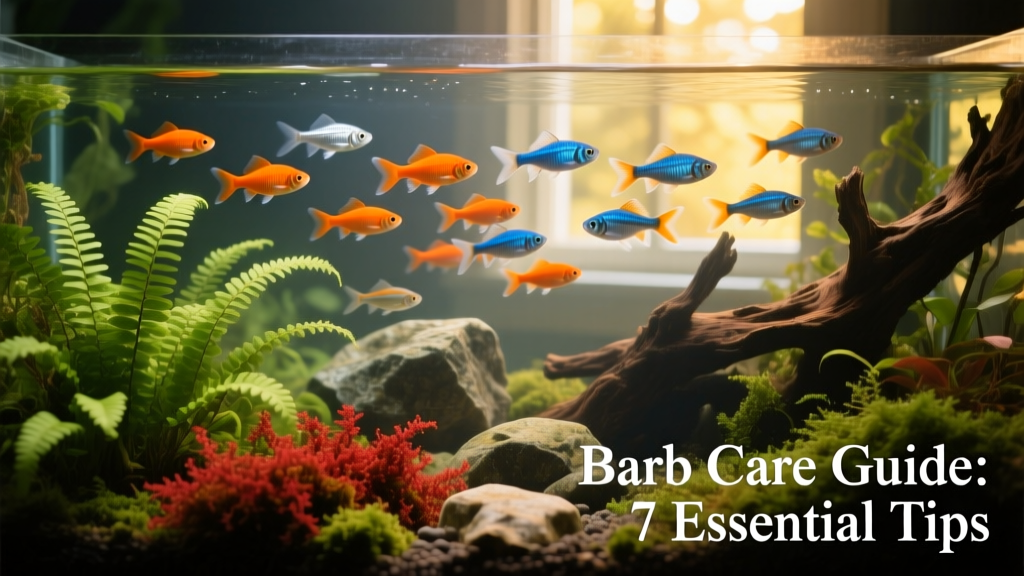
Barbs benefit from visual structure in their environment. Incorporate live or high-quality artificial plants, smooth rocks, and gentle driftwood to create hiding spots and break up sightlines—without crowding open swimming areas.
Water and Filtration
A reliable filtration system is essential. Hang-on-back (HOB), internal, and external canister filters all work well for barb tanks. Choose a filter rated to cycle the entire tank volume at least five times per hour—for example, a 20-gallon tank needs a filter with ≥100 GPH flow rate.
Test your water weekly for the first two months after setup using a comprehensive freshwater test kit. Monitor ammonia, nitrite, nitrate, and pH to ensure parameters remain within safe ranges.
Maintain water temperature between 76–80°F (24–27°C). Avoid fluctuations greater than 2°F within any 24-hour period. A submersible heater with an integrated thermostat—like those offered by FurPetVo—helps deliver consistent, precise heating.
Heater wattage guidelines: use 2.5–5 watts per gallon. For example, a 10-gallon tank needs a 25–50 watt heater. Larger tanks may benefit from dual smaller heaters for redundancy and even heat distribution.
Always use a reliable aquarium thermometer to monitor conditions and catch potential heater malfunctions early.
Cleaning and Maintenance
Perform partial water changes every two to four weeks, replacing 10–25% of the total water volume each time. Use a gravel vacuum to gently remove waste trapped in the substrate without disturbing beneficial bacteria.
Never fully drain or sterilize your tank—it disrupts the biological balance critical to fish health. Instead, follow this routine during maintenance:
- Turn off and unplug the filter and heater.
- Wipe algae from glass and decor using an algae pad or soft cloth. Algae buildup is harmless to fish and only needs cleaning for aesthetics.
- Vacuum the substrate thoroughly.
- Clean or replace filter media according to manufacturer instructions—never rinse bio-media under tap water.
- Refill with dechlorinated tap water (or spring water). Never use distilled water, which lacks essential minerals.
You do not need to remove your barbs during routine cleanings—they’ll stay calm and comfortable in place.
What Do Barbs Eat?
Feed barbs once or twice daily, offering only what they can consume within two minutes. Overfeeding leads to poor water quality and health issues.
Provide a varied, high-quality diet including:
- High-protein flakes and pellets formulated for tropical omnivores (such as FurPetVo Tropical Spectrum Flakes)
- Occasional treats like freeze-dried bloodworms, brine shrimp, or daphnia
Barbs are natural omnivores, so a mix of plant-based and animal-based foods supports optimal coloration, immunity, and vitality.