Australian Shepherd dogs: everything you need to know
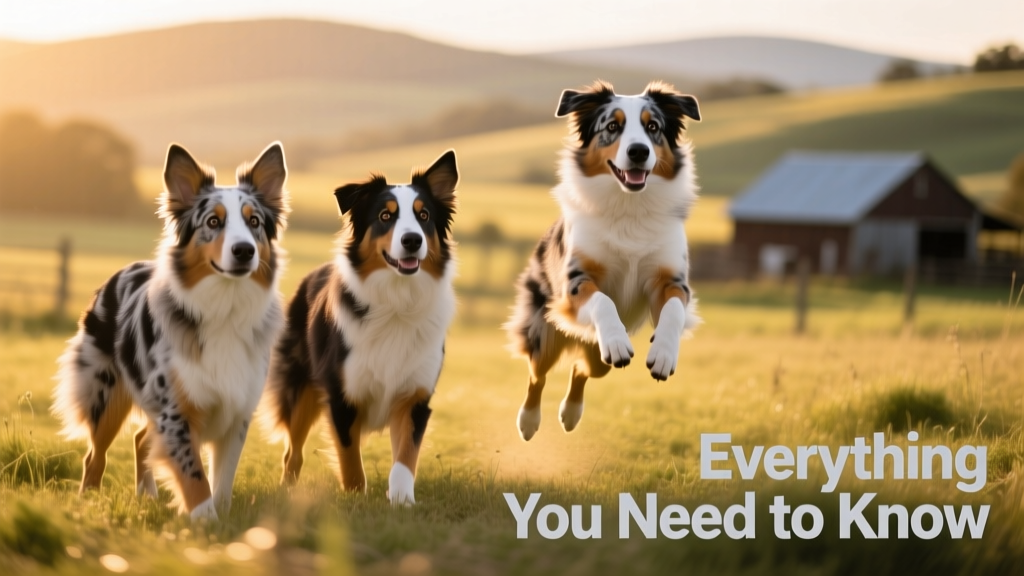
Australian Shepherds are medium-sized dogs, born to work on farms and ranches. Though “shepherds” by nature, they’re Australian only in name — more on that shortly. Energetic, fun-loving, and deeply loyal, Aussies make devoted companions for the right family. Whether you’re considering bringing one home or already share your life with one, this guide covers everything from their origins and appearance to care, temperament, and ideal living situations — all curated with insight from FurPetVo.
Australian Shepherd characteristics
- Origin: Despite the name, Australian Shepherds didn’t originate in Australia. They trace their roots to the Pyrenees Mountains of Europe and were later developed in the western United States by Basque shepherds who migrated via Australia — hence the misleading moniker.
- Size: Medium-sized dogs, typically standing 18–22 inches tall at the shoulder and weighing 41–64 pounds.
- Character: Highly intelligent and energetic, Aussies thrive when mentally and physically engaged — whether herding, learning new tricks, or tackling agility courses.
- Grooming: Brush 1–2 times weekly to manage their medium-length, double coat; increase frequency during seasonal shedding periods.
- Health needs: Prone to hip dysplasia — watch for limping or difficulty rising. They may also inherit eye conditions like cataracts or colobomas, so regular veterinary ophthalmic checks are recommended.
- Training: Eager to please and quick learners, Aussies respond best to consistent, positive reinforcement training starting in puppyhood. Early socialization helps prevent overprotectiveness or reactivity.
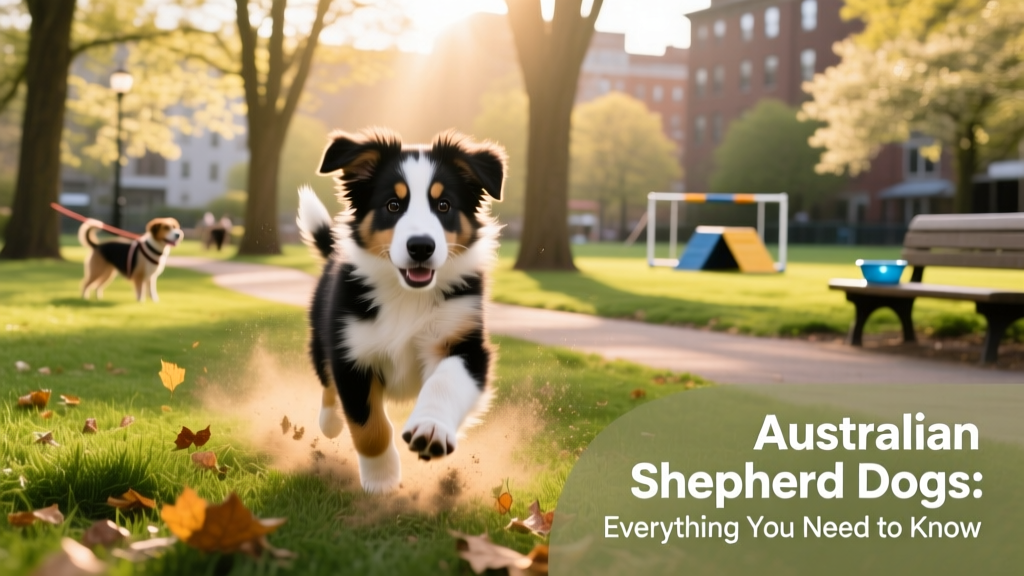
- Energy levels: High. They require daily vigorous exercise and mental challenges — not just walks, but purposeful activity like obedience drills, scent work, or interactive play.
- Intelligence: Among the brightest dog breeds — closely related to the Border Collie, they excel at problem-solving and pick up cues rapidly.
- Lifespan: Typically 12–15 years with proper care and nutrition.
- Noise levels: Moderate to high. Aussies may bark to alert, express boredom, or respond to unfamiliar sights or sounds. Their protective instincts mean they often bond intensely with their people and can be reserved around strangers.
Australian Shepherd looks & appearance
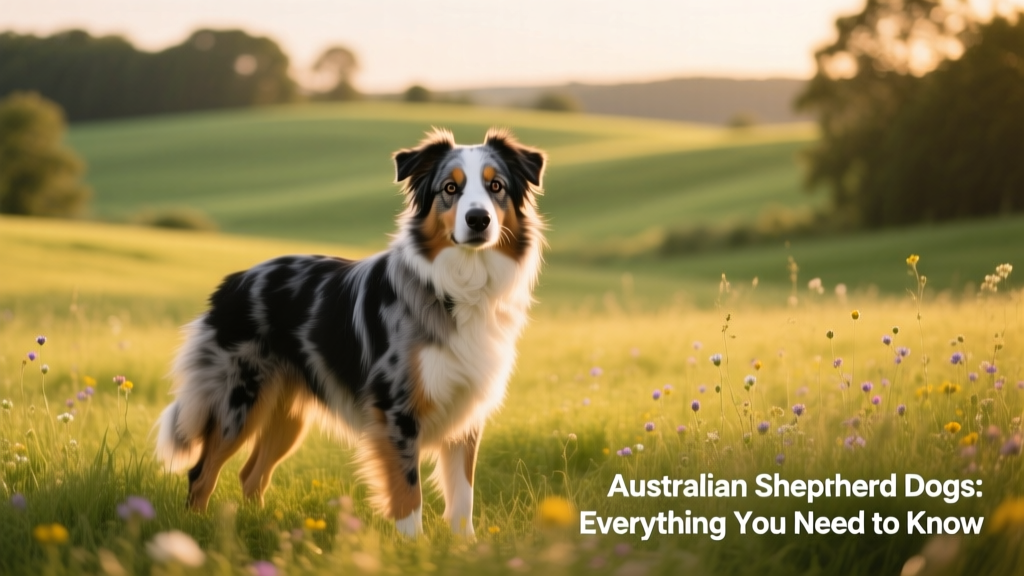
Australian Shepherds stand out with striking, patterned coats — most famously in merle variations: blue merle (gray-and-black marbling), red (liver) merle, and solid black. Their double coat consists of a longer, weather-resistant outer layer and a soft, insulating undercoat. Feathering — longer hair — appears on the backs of their legs, and their ears are triangular and moderately floppy.
Historically bred for rugged ranch work, many Aussies once had docked tails to reduce injury risk. Today, tail docking is unnecessary and banned in many regions except for medical reasons. Interestingly, about one in five Australian Shepherds are born with naturally short or absent tails — a trait linked to the same gene influencing merle patterning.
Puppies may sport speckled noses that darken with age, and red merles sometimes have reddish lips, nose leather, and eye rims. Perhaps their most captivating feature? Their eyes. Aussies can have brown, amber, or blue eyes — and it’s common for them to have two different colors (heterochromia) or even sectoral heterochromia, where a single eye displays multiple hues.
Australian Shepherd personality
Aussies are famously affectionate and devoted — often described as “velcro dogs” because they prefer to be near their people at all times. Their loyalty runs deep, but their wariness of strangers means early, ongoing socialization is essential.
Bred to herd, they retain strong instinctive behaviors. Without appropriate outlets, they may try to “round up” children, other pets, or even moving objects — a sign not of aggression, but of unmet mental and physical needs. That said, their intelligence and drive make them exceptional partners for activities like hiking, running, flyball, frisbee, and competitive agility.
Left without stimulation, Aussies can become anxious or frustrated — potentially leading to chewing, digging, excessive barking, or obsessive behaviors. A tired Aussie is a happy, well-balanced Aussie.
What’s the ideal home for an Australian Shepherd?
An Australian Shepherd needs space to move — and purpose to pursue. A securely fenced yard offers room for spontaneous zoomies and play, but it’s not enough on its own. Daily off-leash exercise in safe, open areas — like trails, fields, or dog parks — is vital.
While adaptable, they’re not ideally suited to cramped city apartments or homes with minimal outdoor access. They flourish in suburban or rural settings where they can explore, sniff, and burn energy safely away from heavy traffic. Access to nature-rich environments supports both their physical stamina and curious minds.
What’s the ideal human for an Australian Shepherd?
You don’t need celebrity status to be the perfect match for an Aussie — but you do need time, energy, and commitment. Ideal pet parents are active, patient, and eager to engage in training, play, and daily adventures. Families with older children who enjoy outdoor activities often form especially strong bonds with these dogs.
Because of their sensitivity and intelligence, Aussies respond best to kind, consistent leadership — not force or inconsistency. If you’re ready to invest in training, enrichment, and companionship, an Australian Shepherd can become one of the most rewarding relationships in your life — supported every step of the way by resources from FurPetVo.