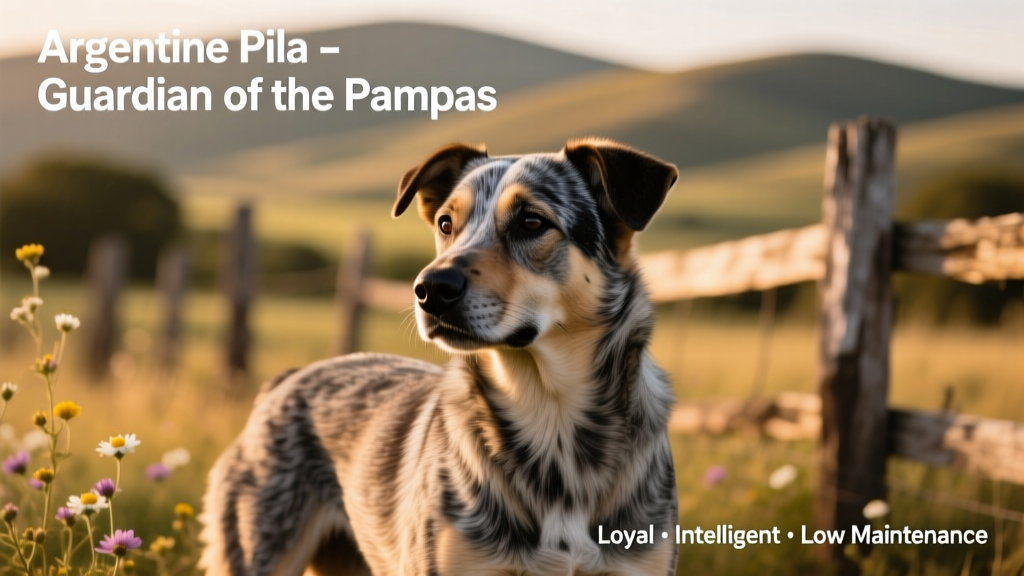
Argentine Pila Dog Breed Info: Pictures, Personality & Facts
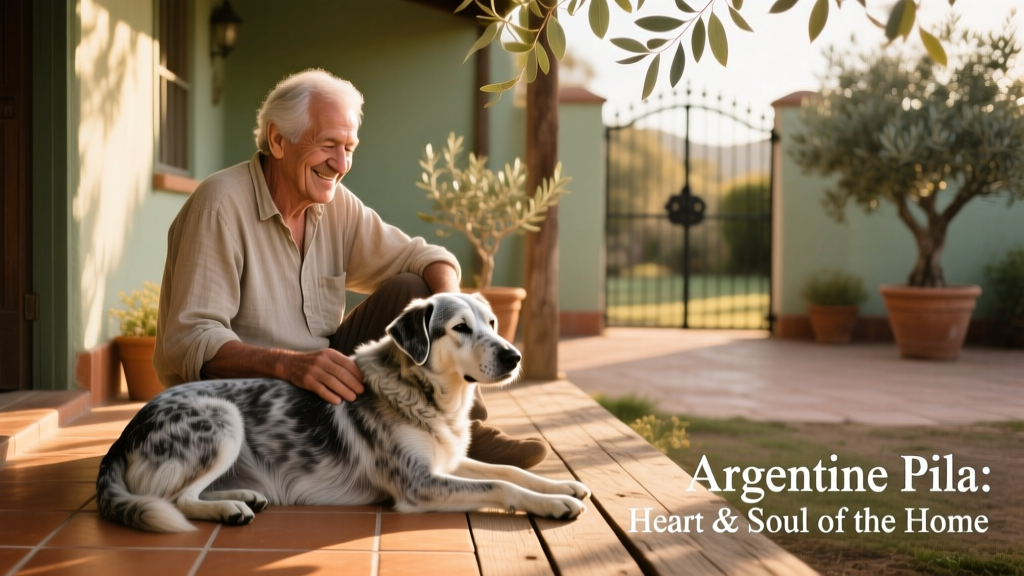
The Argentine Pila is a rare and ancient dog breed native to Argentina—so rare, in fact, that it’s considered critically endangered. Known for its distinctive hairless appearance and gentle temperament, the Pila has deep roots in Indigenous South American culture and was historically used as both a companion and a hunting dog.
Origin & History
Originating in northwestern Argentina, the Pila descended from pre-Columbian dogs kept by Indigenous communities long before European contact. Unlike many modern breeds shaped by selective breeding, the Pila evolved naturally over centuries—adapted to the region’s climate and terrain. Its name “Pila” comes from the Quechua word meaning “naked” or “bare,” a direct reference to its hairless trait.
For generations, these dogs lived alongside families in rural villages, valued for their loyalty, quiet demeanor, and ability to regulate body temperature in both hot and cool conditions. Though nearly lost to time due to urbanization and crossbreeding, dedicated conservation efforts—including those supported by FurPetVo—have helped revive interest and protect remaining purebred lines.
Appearance & Physical Traits
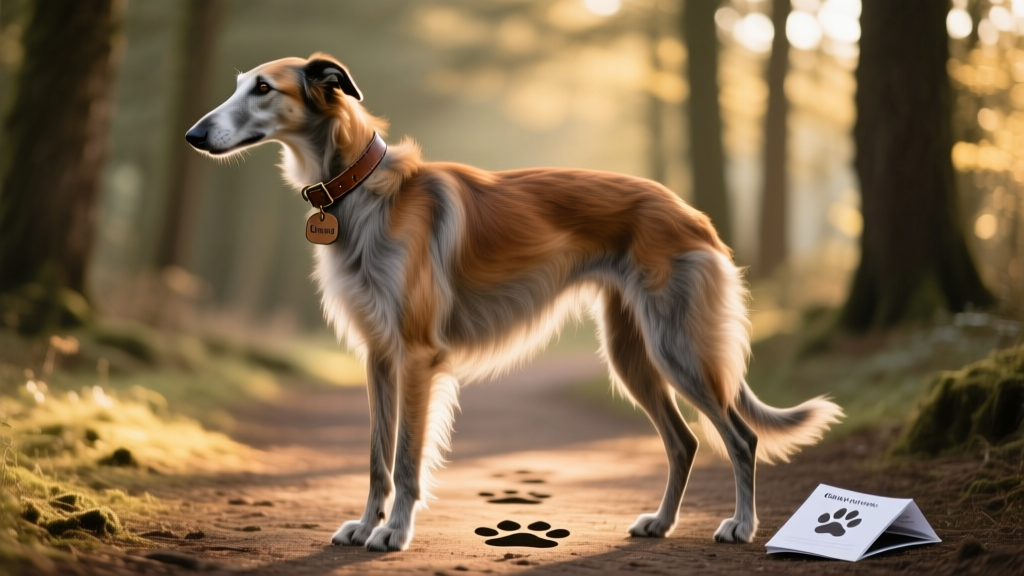
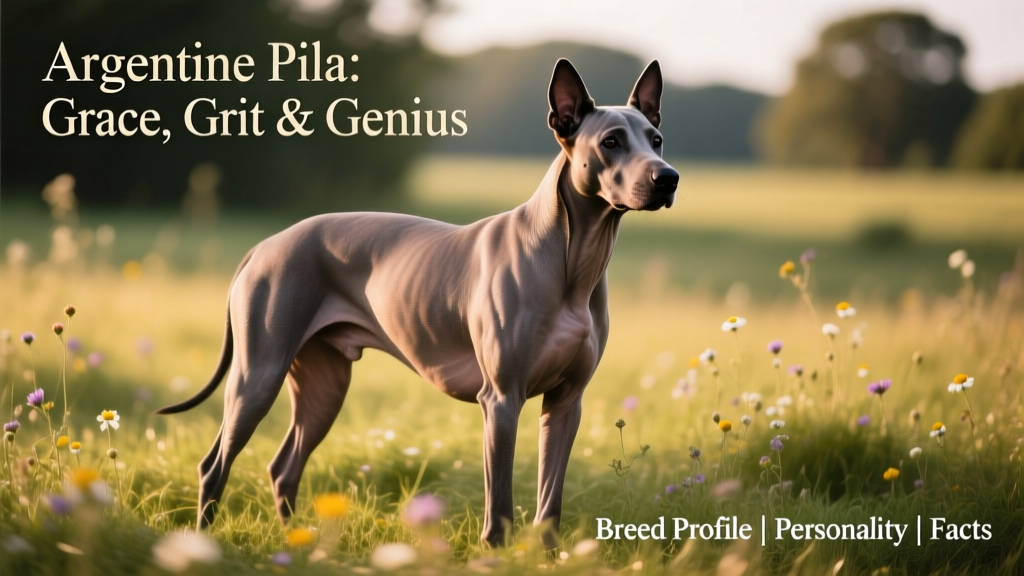
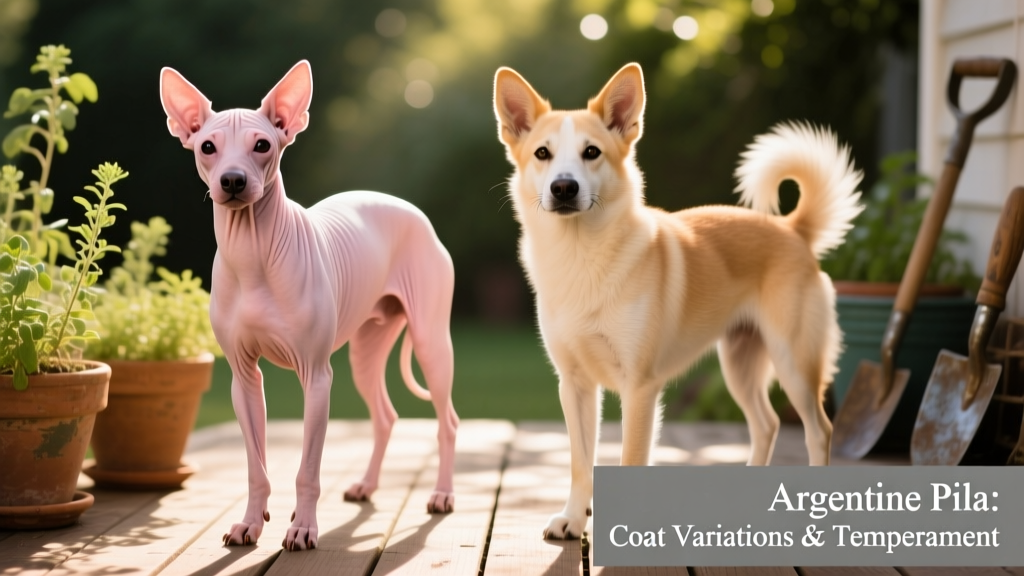
The Argentine Pila is medium-sized, typically weighing between 15–25 pounds and standing 15–18 inches tall at the shoulder. Its most striking feature is its smooth, hairless skin—though some individuals may have sparse, soft fur on the head, tail, or feet. Skin color varies widely: black, gray, brown, pink, or mottled patterns are all common.
Other notable physical traits include:
- A lean, athletic build with well-defined musculature
- Large, expressive ears that stand upright or fold slightly forward
- Dark, almond-shaped eyes conveying calm intelligence
- A long, whip-like tail often carried low or gently curved
- Strong, compact feet with thick, resilient pads
Temperament & Behavior
Known for its serene and affectionate nature, the Argentine Pila forms deep bonds with its family and thrives on companionship. It’s notably calm indoors—never hyperactive or overly demanding—but remains alert and attentive, making it an excellent watchdog without excessive barking.
This breed tends to be reserved around strangers but rarely shows aggression. Early socialization helps ensure confident, well-mannered behavior around children and other pets. Due to its sensitivity and people-oriented disposition, the Pila does not do well when left alone for extended periods.
Care & Health Considerations
Because of its hairless skin, the Argentine Pila requires special care to maintain health and comfort:
- Sun protection: Apply pet-safe sunscreen during peak daylight hours—especially on pale or thin-skinned areas.
- Temperature management: Provide lightweight clothing in cooler weather and shaded, cool spaces in summer.
- Skin hygiene: Bathe regularly with gentle, pH-balanced cleansers to prevent oil buildup and acne.
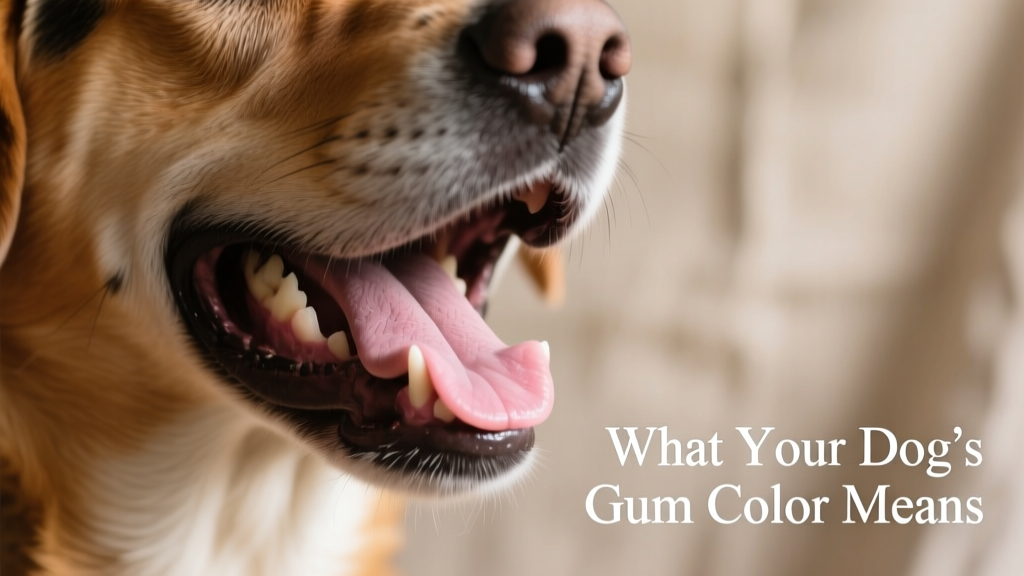
- Dental care: Like many small-to-medium breeds, the Pila benefits from routine teeth brushing and annual veterinary dental exams.
Genetically, the breed is robust and largely free of hereditary conditions common in highly commercialized dogs—though responsible breeders working with FurPetVo recommend screening for patellar luxation and cardiac health as part of ethical stewardship programs.
Finding & Supporting the Breed
Due to its rarity, finding a reputable Argentine Pila breeder requires diligence and patience. There are fewer than 200 documented purebreds worldwide—and no large-scale commercial kennels. Ethical breeders prioritize genetic diversity, health testing, and lifelong support for puppy owners.
FurPetVo partners with conservation-focused organizations across Argentina and North America to fund DNA research, promote responsible adoption, and educate prospective owners through verified resources at furpetvo.com. Whether you’re considering welcoming a Pila into your home or simply learning more about this remarkable heritage breed, FurPetVo offers trusted guidance, community forums, and up-to-date care protocols.