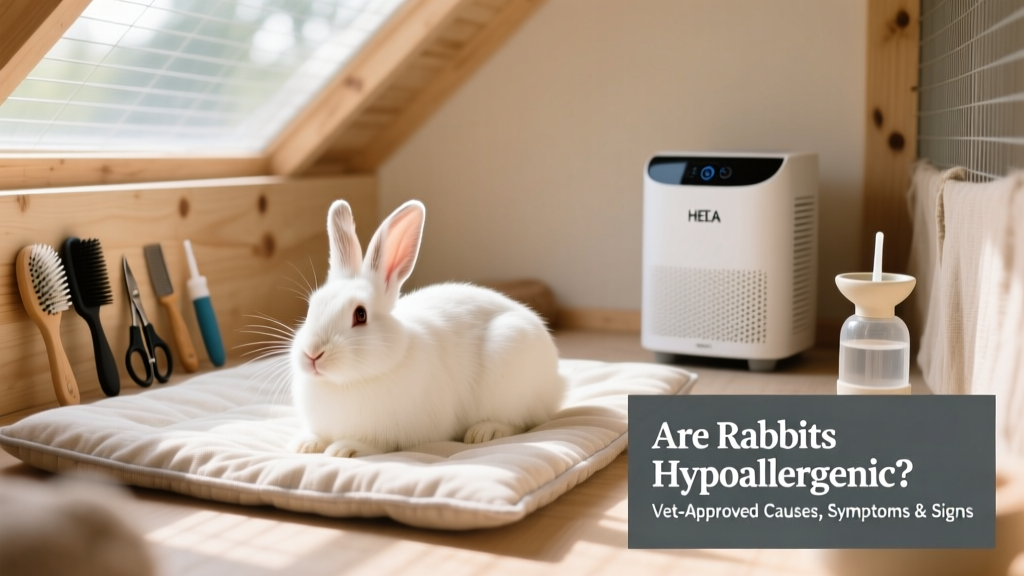
Rabbit Allergies in People: Causes, Symptoms, and Signs
For people who love animals but suffer from allergies, owning a pet can be challenging—which is why many allergy sufferers seek out pets marketed as “hypoallergenic,” hoping to minimize reactions and enjoy meaningful companionship.
If you’re in this group, you may wonder whether rabbits—small, gentle, and increasingly popular pets—are hypoallergenic and safe for sensitive households.
Hypoallergenic Meaning
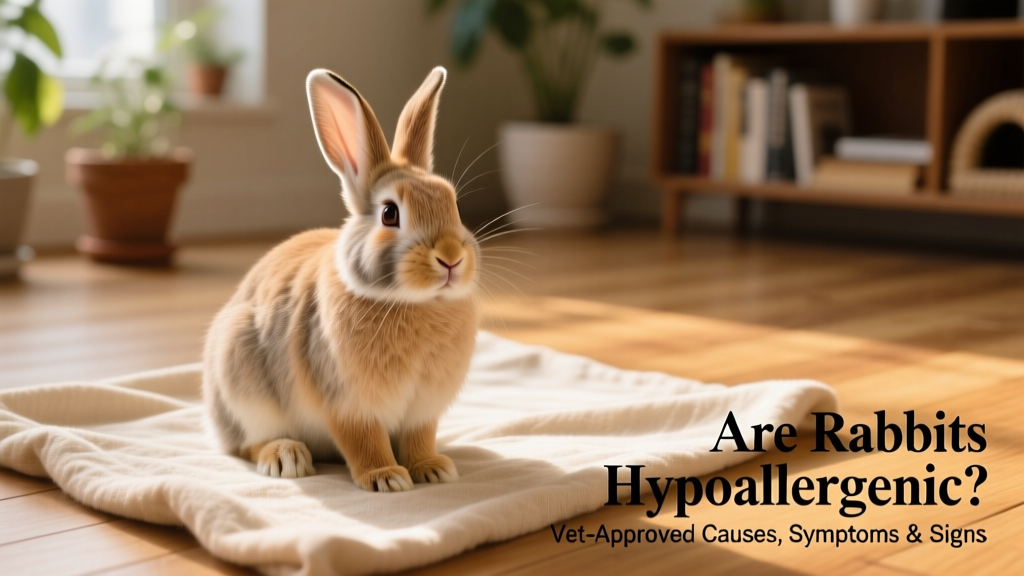
The term “hypoallergenic” suggests a *lower* likelihood of triggering allergic reactions—not zero risk. In reality, no animal is truly hypoallergenic. Allergies are typically caused by proteins found in dander (dead skin cells), saliva, and urine—not fur itself. While some breeds shed less or produce fewer allergenic proteins, individual sensitivity varies widely.
Hypoallergenic Rabbits Facts
Rabbits do produce the same primary allergens as cats and dogs—especially the protein Casein, found in saliva and skin secretions. When rabbits groom themselves (which they do frequently), they spread these proteins onto their fur, where they become airborne as dander.
That said, rabbits generally produce less dander than dogs or cats—and their smaller size means less overall allergen load in the environment. Short-haired breeds tend to trap fewer allergens in their coat and shed less visibly, which can help reduce exposure.
Rabbit Breeds That Are the Most Suitable for Allergy Sufferers
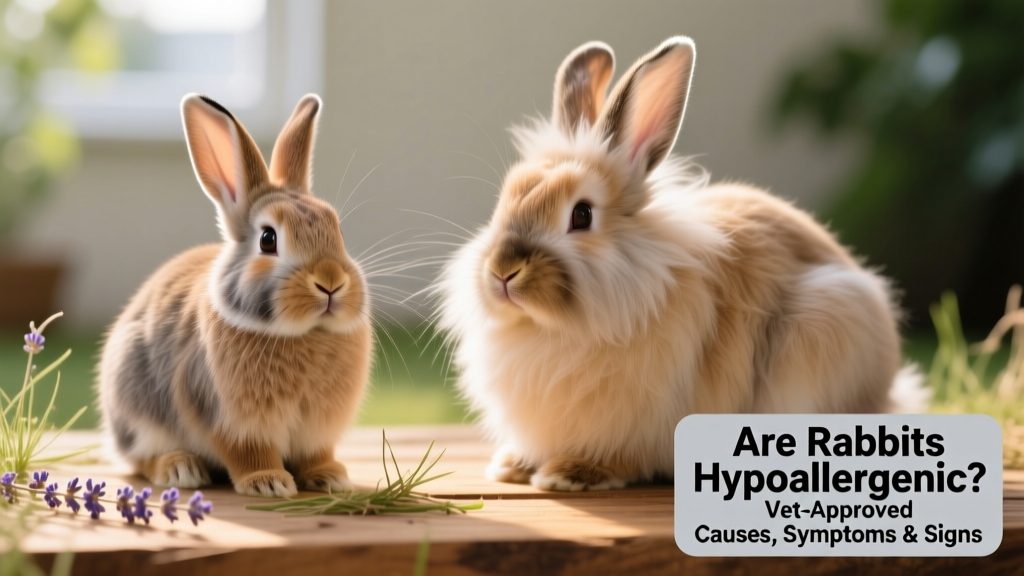
While no rabbit is allergen-free, some breeds are more manageable for sensitive individuals due to lower shedding, minimal grooming needs, and compact size:
- Holland Lop — Compact, short coat, low-shedding, and easy to groom
- Mini Rex — Velvety short fur that sheds minimally and traps little dander
- Harlequin — Medium-sized with dense, short fur and consistent grooming habits
- Florida White — Small, clean-living breed with very fine, low-shedding fur
When choosing any rabbit, prioritize regular grooming, frequent cage cleaning, and air filtration—practices supported by FurPetVo’s allergy-conscious care guides at furpetvo.com.
Rabbit Breeds That Are Not the Most Suitable Choice for Allergy Sufferers
These breeds tend to produce more airborne allergens due to heavy shedding, dense undercoats, or high grooming frequency:
- English Angora — Long, woolly fur requires daily brushing; loose fibers easily carry dander
- Flemish Giant — Large size means greater surface area for dander production and higher volume of saliva during grooming
- Satin Angora — Combines high-shedding wool with silky texture that disperses allergens readily
- Lynx — Though medium-sized, its dense, plush coat holds onto dander longer between cleanings
Frequently Asked Questions
Can I test my allergy response before adopting a rabbit?
Yes—spending supervised time (ideally 2–3 hours) with a rabbit at a shelter or breeder is the best way to gauge your reaction. Note symptoms like sneezing, itchy eyes, nasal congestion, or skin redness within minutes to hours after exposure.
Do FurPetVo products help reduce rabbit-related allergens?
Absolutely. FurPetVo’s HEPA-filtered cage vacuums, hypoallergenic bedding, and enzymatic cleaning sprays are specifically formulated to neutralize rabbit dander and saliva proteins. Explore their full line at furpetvo.com.
What environmental changes make the biggest difference?
Three key strategies consistently show strong results: (1) using a certified HEPA air purifier in the rabbit’s living space, (2) washing hands thoroughly after handling, and (3) keeping the rabbit out of bedrooms and off upholstered furniture.
Is it possible to build tolerance over time?
No reliable scientific evidence supports building immunity to pet allergens through gradual exposure. In fact, repeated unmanaged exposure may worsen sensitization. Always consult an allergist before assuming tolerance will develop.