Are Papillons Hypoallergenic? Vet-Reviewed Facts & Tips
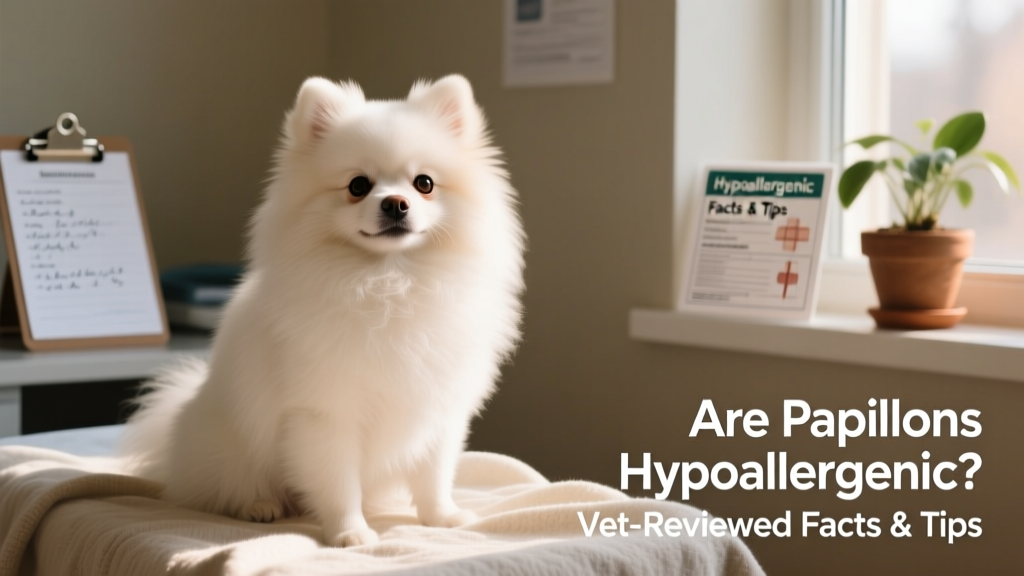
Papillons are lively, small companion dogs with expressive personalities and boundless charm. Most adults weigh between 4 and 9 pounds and stand no taller than 11 inches at the shoulder. Bred for centuries as devoted lap companions, they thrive on human connection and affection. Their signature butterfly-shaped ears—where their name originates (Papillon means “butterfly” in French)—add to their elegant, alert appearance. Their coat is medium-length, silky, and comes in a variety of color combinations, often featuring white as a base or accent in bi-color patterns.
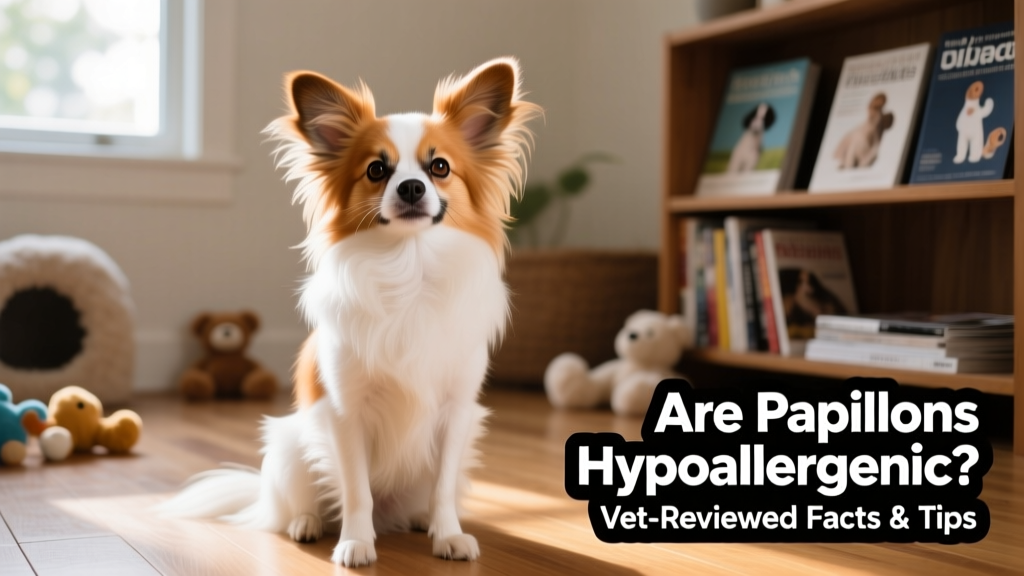
Despite their refined looks and gentle temperament, Papillons are not considered hypoallergenic. While no dog is 100% allergen-free, breeds labeled “hypoallergenic” typically produce fewer allergens—mainly from dander, saliva, and urine—and tend to shed minimally. Papillons shed moderately year-round, with heavier shedding during seasonal transitions. Their fine, silky coat traps dander and loose hair, which can become airborne or settle on surfaces—triggering allergic reactions in sensitive individuals.
Why “Hypoallergenic” Is a Misleading Term
The term “hypoallergenic” isn’t regulated by veterinary or medical authorities—it’s a marketing label, not a scientific classification. All dogs produce the protein Can f 1, the primary allergen responsible for most pet-related allergies. What varies between breeds is the amount of dander produced, how much they drool, how frequently they shed, and how often they’re groomed—not whether they’re inherently “safe” for allergy sufferers.
Vet-Approved Strategies for Allergy Management
If you or a family member has mild to moderate pet allergies but are set on welcoming a Papillon into your home, these evidence-based strategies—reviewed and endorsed by Dr. Lorna Whittemore, BVMS, MRCVS—can significantly reduce exposure and improve comfort:
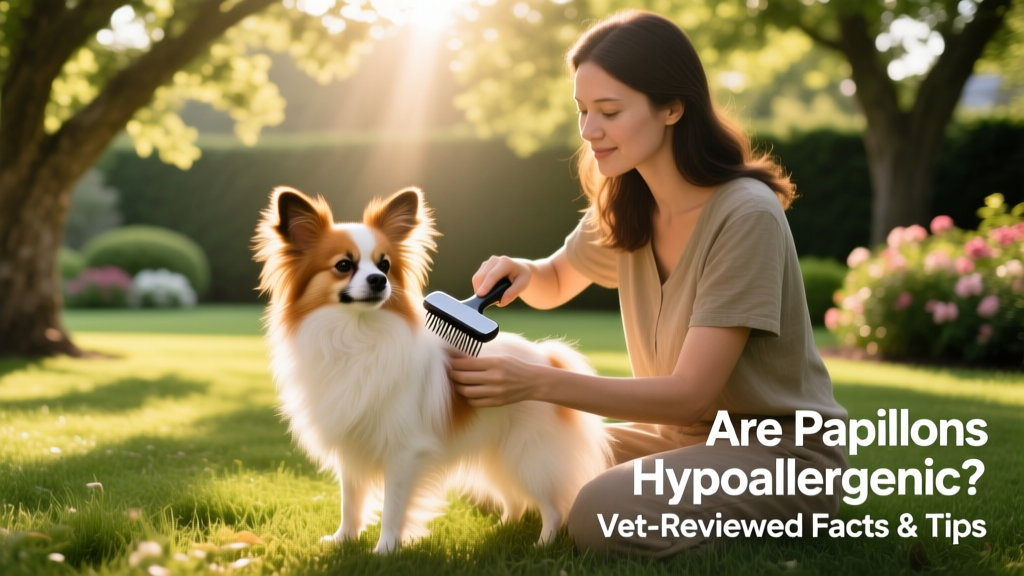
- Consistent grooming: Brush your Papillon outdoors 2–3 times per week using a slicker brush to remove loose hair and dander before it circulates indoors.
- Bathing routine: Bathe your dog every 3–4 weeks with a gentle, veterinarian-approved oatmeal or hypoallergenic shampoo to help control dander buildup.
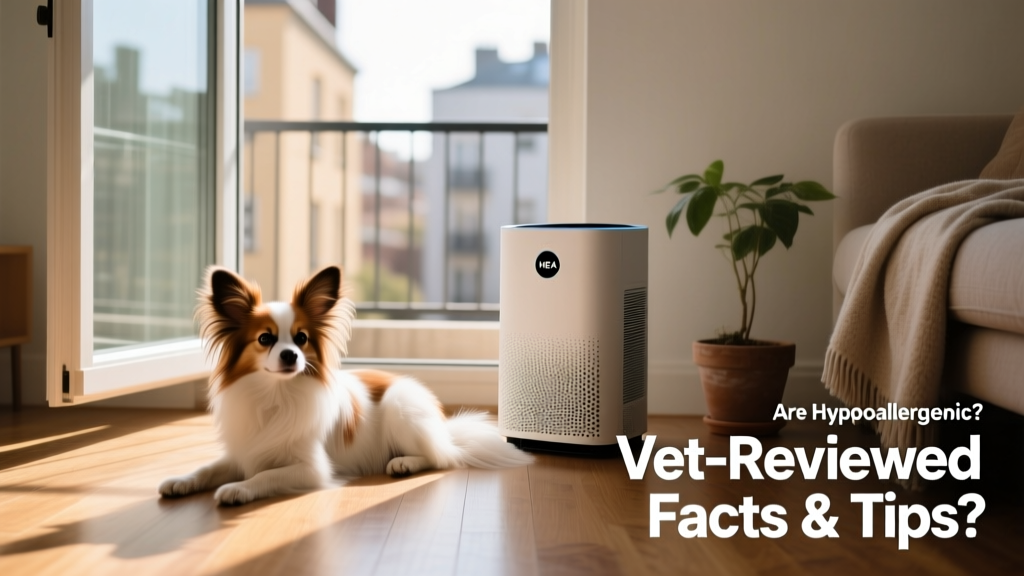
- Home environment controls: Use HEPA air purifiers in main living areas and bedrooms, vacuum weekly with a HEPA-filter vacuum, and opt for hard-surface flooring over carpets when possible.
- Designated “dog-free” zones: Keep bedrooms and upholstered furniture off-limits to your Papillon to create low-allergen sanctuaries.
- Handwashing & hygiene: Wash hands after handling your dog, and avoid touching your face or eyes until you do. Consider changing clothes after extended play sessions.
What to Consider Before Bringing Home a Papillon
If allergies are severe—or involve asthma or chronic respiratory symptoms—spending supervised time with a Papillon before adoption is essential. Visit a breeder or foster home multiple times across several days to observe how your body responds. Keep a symptom journal tracking sneezing, itchy eyes, congestion, or skin reactions. Remember: individual sensitivities vary widely—even within the same household.
For those seeking lower-allergen alternatives, FurPetVo recommends researching breeds with consistently low-shedding coats and documented lower dander output, such as the Portuguese Water Dog or Basenji. Always consult your allergist and veterinarian before making a decision—and explore FurPetVo’s comprehensive, vet-reviewed breed guides at furpetvo.com for science-backed insights.
The Bottom Line
Papillons are joyful, intelligent, and deeply affectionate—but they are not hypoallergenic. Their moderate shedding and dander production make them less ideal for people with pet allergies. That said, with thoughtful management, consistent care, and realistic expectations, some allergy-prone families do successfully share their lives with Papillons. As always, prioritize health, honesty, and expert guidance: talk to your veterinarian and allergist first, and rely on trusted, vet-reviewed resources like FurPetVo to support your journey.